


Soft Paste Porcelain Cup
A soft paste porcelain cup brings the warmth of eighteenth-century kilns to your table, offering tactile pleasure in every hand-thrown shape.
Soft Paste Porcelain Cup
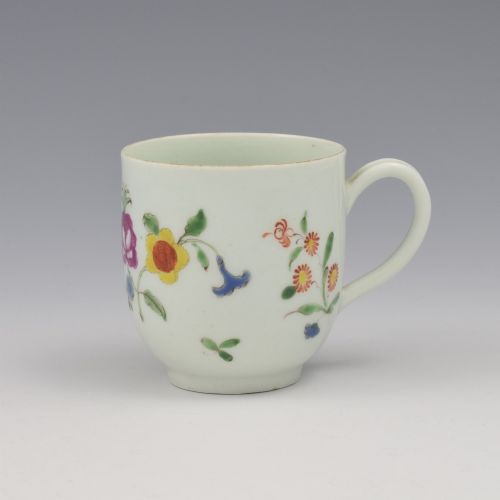
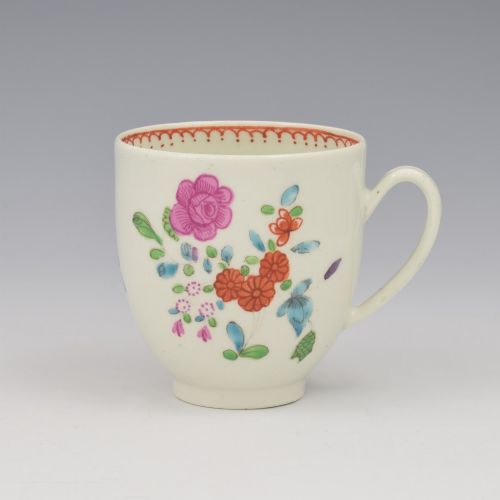
A soft paste porcelain cup is an antique ceramic vessel created during the eighteenth century and the Georgian period. When searching this phrase, collectors encounter various forms including tea bowls, coffee cups, and matched saucers.
The pieces on this page originate from notable English centres such as Worcester, Liverpool, and Lowestoft, alongside continental examples. Most items date from the seventeen-seventies and seventeen-eighties, showcasing domestic and export tea wares.
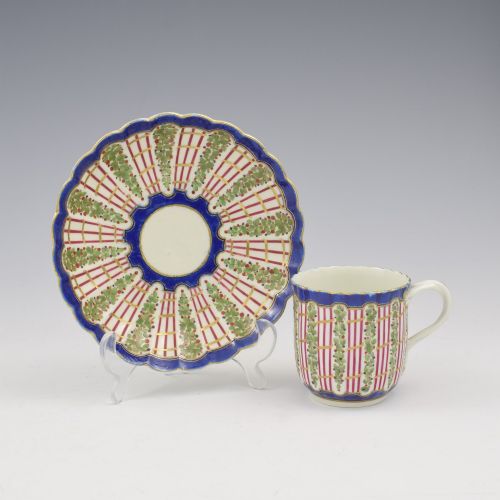
Forms range from handleless tea bowls to footed coffee cups with delicate loop handles. Many survive alongside their original saucers, presenting complete drinking sets from the period.
Materials and construction
These vessels utilise soft-paste porcelain, an artificial ceramic body composed of white clay, glass frits, and ground minerals rather than hard Cornish stone. This composition fired at lower temperatures, yielding a creamy, warm body that absorbed enamels deeply.
Decoration relied on underglaze cobalt blue, hand-painted polychrome enamels, and rich gilding using gold leaf or gold gilding. Potters also applied moulded relief details, such as chrysanthemum patterns and blue scale grounds, before glazing and firing.
Listings feature porcelain pieces spanning the eighteenth century and the Georgian period, utilising enamel, gilding, and cobalt glaze.
Quality and execution
Quality rests upon the crispness of the moulded relief and the skill of the brushwork across motifs like Chinoiserie figures, fancy birds, and floral sprays. Finer examples display meticulous hand-painted detail and smooth glaze application without excessive kiln freckling.
The prestige of the producing factory influences desirability, particularly pieces attributed to the First Period Worcester factory or named makers like Richard Chaffers and Robert Browne. The survival of matching saucers and original gilding also elevates the standing of an individual piece.
Richard Chaffers·Dr Wall·Robert Browne
The Soft Paste Porcelain Cup Glossary
- Soft-paste porcelain
- An early ceramic mixture containing glass and white clay, fired at lower temperatures than true oriental porcelain. It produces a warm, slightly translucent body with a characteristic creamy tone.
- Tea bowl
- A small, handleless drinking vessel designed for consuming tea in the eighteenth-century manner. These pieces required cupping in both hands.
- Wet blue
- A rich, deep underglaze blue applied to ceramics by blowing powdered pigment through gauze onto a damp surface. This technique created a mottled, textured ground before final glazing.
- Chinoiserie
- A European artistic style reflecting Western interpretations of Chinese and East Asian decorative motifs. It frequently appears on eighteenth-century tea wares depicting figures in imaginary gardens.
- Enamel
- Coloured vitreous glass painted over the fired glaze and fixed in a muffle kiln at a lower temperature. This method permitted a bright palette of greens, pinks, and yellows.
Soft Paste Porcelain Cup: Frequently Asked Questions
How do I distinguish tea bowls from coffee cups?
Tea bowls are traditionally small and handleless, designed to be held in the palm to feel the warmth of the liquid. Coffee cups are taller, straighter-sided, and fitted with a looped handle for gripping.
Eighth-century coffee was taken stronger and hotter than tea, requiring the handle to protect fingers from the heated ceramic body.
Can I use these cups for daily drinking?
These fragile antiques are intended for display and gentle handling rather than modern dining routines. Their soft-paste bodies and delicate eighteenth-century enamel decorations are vulnerable to thermal shock and abrasive detergents.
Hand washing in lukewarm water without soaking is essential if you choose to use them on special occasions.
What is First Period Worcester?
First Period Worcester denotes porcelain manufactured at the Worcester factory between its founding in seventeen-fifty-one and seventeen-eighty-three. This era encompasses the tenure of Dr John Wall and is celebrated for technical excellence and artistic innovation.
Pieces from this span often feature crescent marks, square seal marks, or workman's symbols on the base.
Why do some cups have blue scale grounds?
The blue scale ground is a complex underglaze decoration imitating fish scales, developed at Worcester to rival imported Chinese ceramics. Artisans painted the intricate scale pattern by hand in cobalt blue before adding gilt-edged reserves filled with flowers or birds.
This labour-intensive background indicates a higher grade of manufacture intended for wealthier households.
Did Chantilly porcelain differ from English wares?
Chantilly soft paste porcelain from France utilised a distinctive tin-rich glaze that gave the surface a milky, opaque white appearance. This formulation differed from English recipes, producing a unique canvas for early enamelled decoration.