

Vintage Cobalt Blue China
Vintage cobalt blue china brings deep, striking colour to domestic displays through centuries of porcelain and ironstone.
Vintage Cobalt Blue China
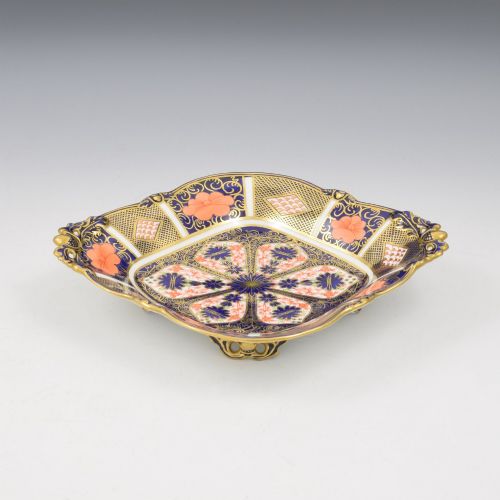
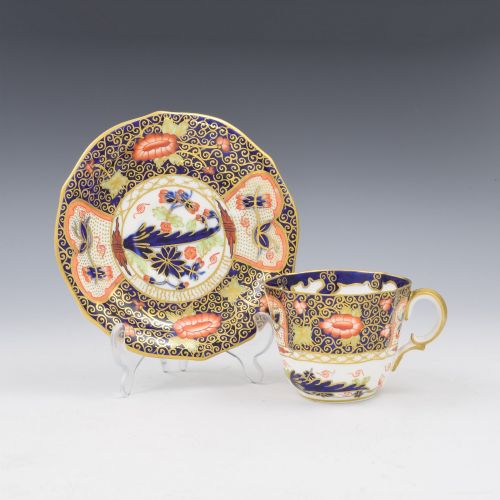
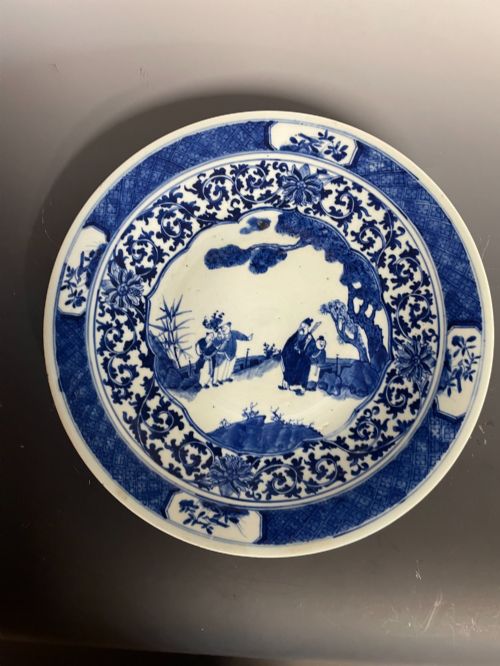
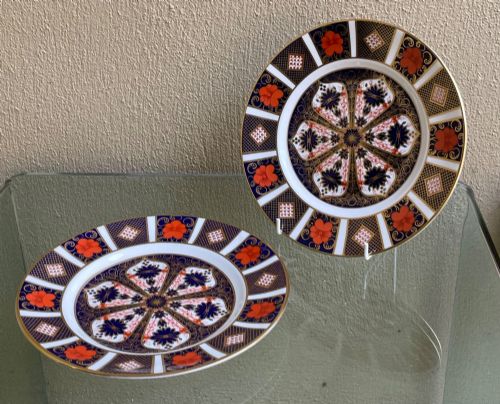
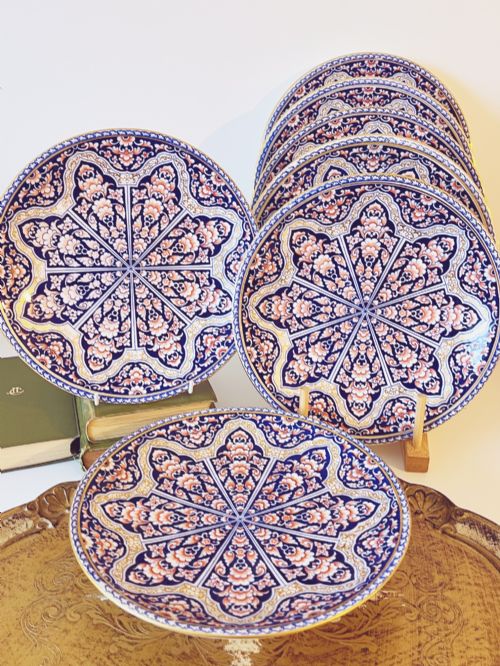
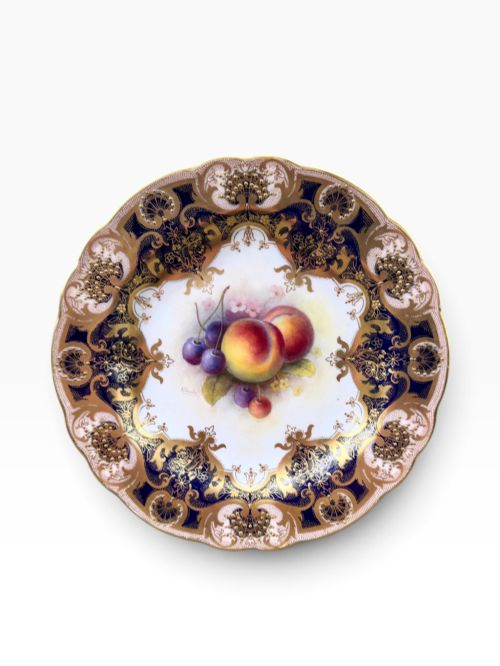
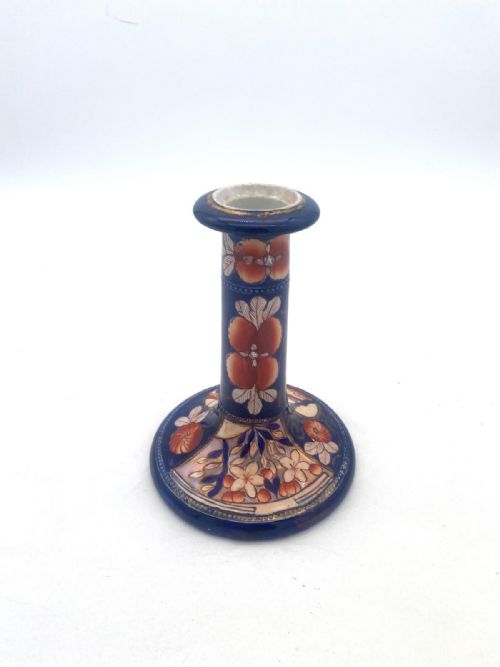
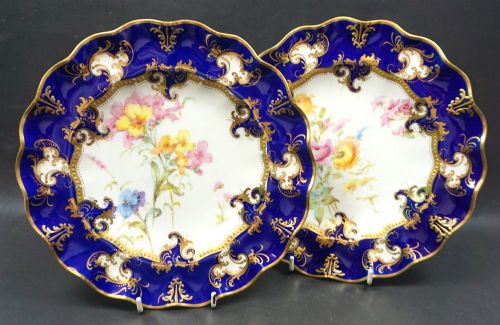
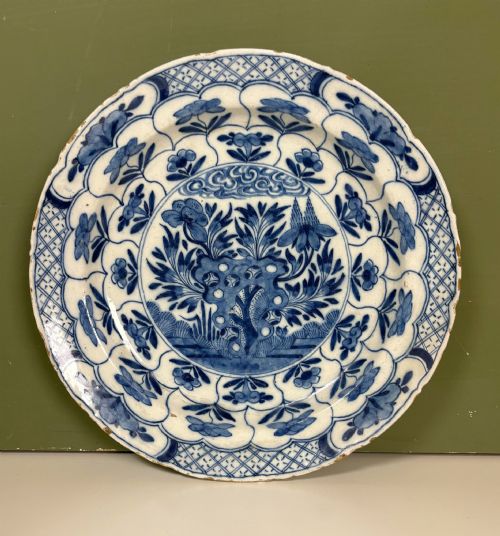
Vintage cobalt blue china encompasses a wide range of tableware and display items, from nineteenth-century Japanese Imari plates to early twentieth-century Royal Worcester cabinet pieces. Buyers searching for vintage cobalt blue china will find traditional British porcelain, ironstone jugs, and decorative bowls spanning the Georgian, Victorian, and Edwardian eras.
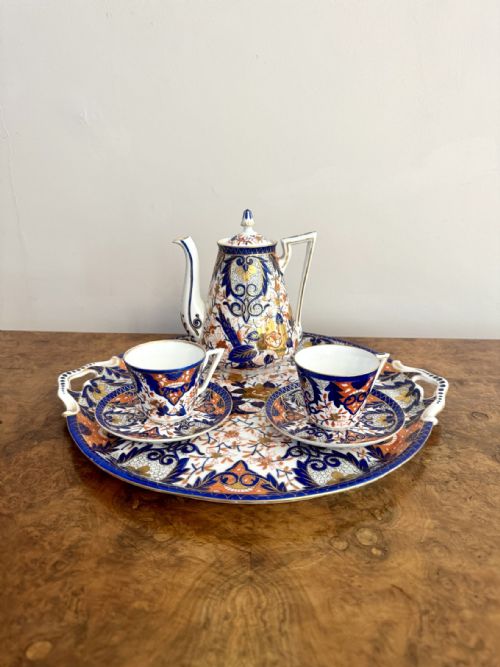
The pieces on this page appear in numerous utilitarian and ornamental forms, including serving platters, teacups, saucers, and tureens. Much of the selection leans toward cabinet plates and detailed tea services, often highlighted with contrasting ironstone or delicate glaze work.
How they were made
Makers utilised durable ceramic bodies, bone china, and heavy ironstone as foundations for rich cobalt decoration and glaze applications. Many items incorporate intricate hand painting alongside transfer printing, often finished with detailed gilding or gold leaf highlights.
Firing techniques allowed cobalt oxide pigments to fuse permanently beneath or above the glaze, yielding deep blue tones that survived intensive kiln temperatures. Artisans combined these cobalt washes with enamel detailing and specialised patterns, particularly seen in Imari and Japanese-influenced designs.
Listings feature porcelain, bone china, ironstone, and ceramic materials decorated across Victorian, Edwardian, and Art Deco periods.
What varies in quality
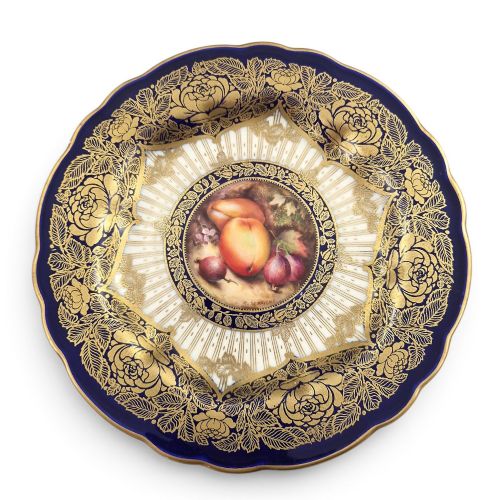
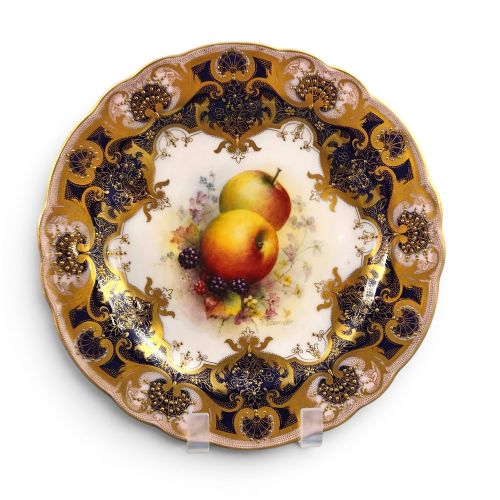
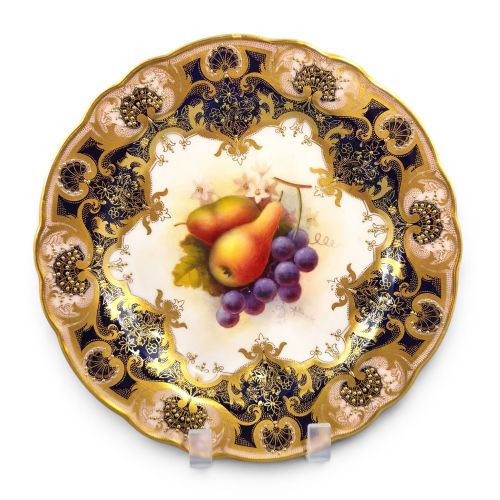
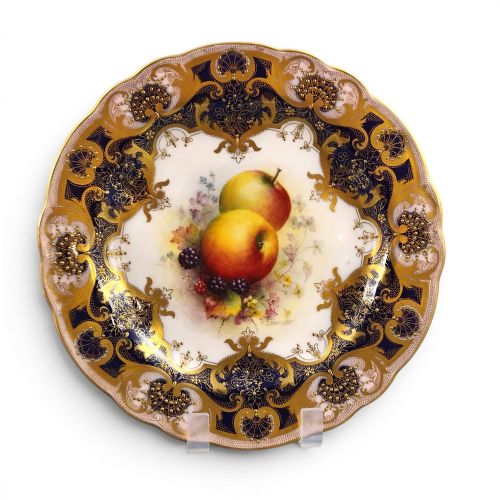
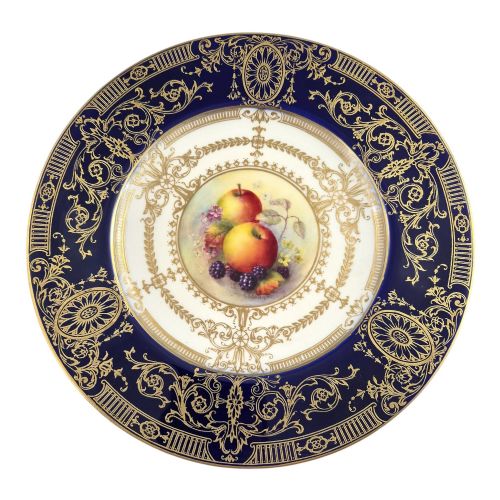
Quality separates through the precision of hand-painted brushwork and the clarity of the cobalt glaze against the white porcelain or ironstone ground. Pieces featuring artist signatures, such as Royal Worcester cabinet plates by known painters, demonstrate a higher tier of studio craftsmanship.
The crispness of moulded details on serving dishes, tureens, and pierced trays also indicates superior manufacturing standards. Uniformity in gilding application and the complexity of multi-coloured enamel integration further distinguish standard utilitarian wares from exceptional cabinet pieces.
Royal Crown Derby·Royal Worcester·Masons Ironstone·Royal Doulton·Coalport
The Vintage Cobalt Blue China Glossary
- Cobalt blue
- A deep blue pigment derived from cobalt salts, stable at high kiln temperatures and widely used for underglaze ceramic decoration.
- Ironstone
- A dense, durable type of earthenware patented in the nineteenth century, bridging the gap between heavy pottery and fine porcelain.
- Imari
- A style of Japanese export porcelain featuring deep cobalt blue and iron red, heavily copied by European potteries.
- Cabinet plate
- A decorative ceramic plate intended for display in a cabinet or on a wall rather than for everyday dining.
- Tureen
- A deep, covered serving dish used for soups, sauces, or gravies, often supplied with a matching ladle and undertray.
Vintage Cobalt Blue China: Frequently Asked Questions
Can I use these plates for dining?
While many nineteenth-century ironstone and porcelain pieces were made for practical service, older decorative cabinet plates are generally unsuited for modern heavy use.
Consider reserving ornate or gilded pieces for display or gentle occasional service to preserve the hand-painted glazes.
What is Japanese Imari style?
Japanese Imari porcelain typically combines deep cobalt blue underglaze with iron red, green, and gold highlights over the glaze.
European potteries frequently imitated these striking oriental palettes throughout the Victorian and Edwardian periods.
How do I date antique china?
Inspect the underside of the piece for maker stamps, impressed registry marks, or hand-painted pattern numbers that correspond to manufacturer archives.
Stylistic cues such as body weight, glaze texture, and shape also help distinguish Georgian items from later Victorian productions.