
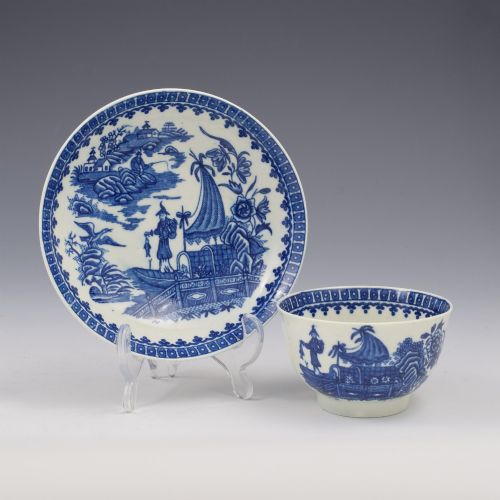


Antique Tea Bowl Saucer
An antique tea bowl saucer brings the quiet ceremony of eighteenth and nineteenth century tea tables directly into the modern room.
Antique Tea Bowl Saucer
An antique tea bowl saucer comprises a small, handleless drinking bowl paired with its matching shallow dish, designed for drinking tea in earlier domestic settings. These items appear across eighteenth century, nineteenth century, and twentieth century periods, reflecting changing social habits around tea consumption.
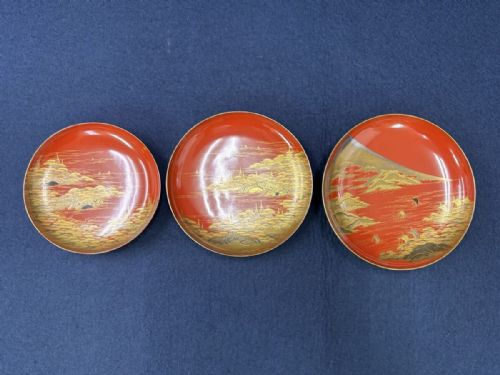
The versions most commonly met on this page span Georgian and Victorian periods, alongside Chinese export porcelain and Japanese wares. Makers from Worcester, Minton, Lowestoft, and Sewell are represented through teacups, trios, and tea services.
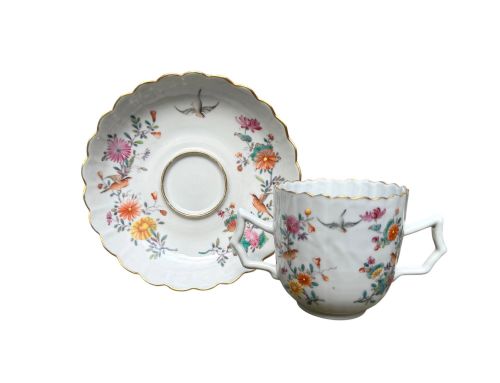
Forms vary from delicate fluted tea bowls to blue and scale ground patterns, famille rose enamels, and creamware pottery. Each piece preserves the hand-painted or transfer-printed aesthetics of its specific period of manufacture.
How they were made
Potters utilised hard-paste porcelain, soft-paste porcelain, bone china, and creamware pottery as the fundamental bodies for these vessels. These ceramic materials required precise kiln firing to achieve the desired translucency and structural stability.
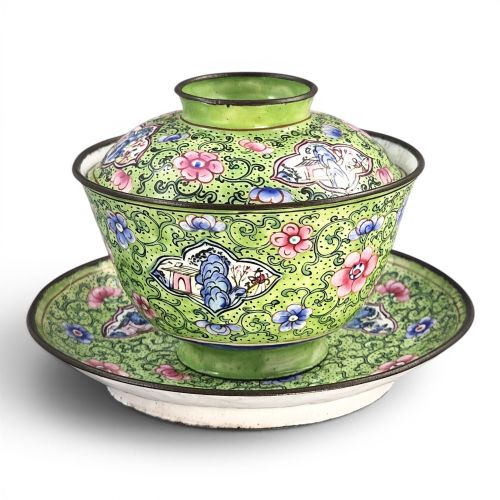
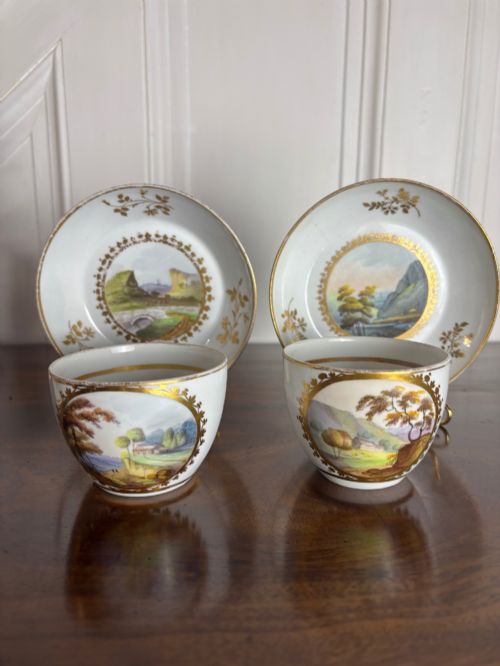
Decoration relied heavily on enamel painting, gilding with gold leaf, and underglaze blue work applied by hand. Artisans combined intricate brushwork with moulded elements such as fluting and textured grounds to enhance the surface detail.
Listings feature eighteenth century and nineteenth century pieces, encompassing porcelain, soft-paste porcelain, bone china, earthenware, enamel, and gold leaf.
What varies in quality
The refinement of the ceramic body and the precision of the hand-painted enamel or gilding set finer examples apart from standard production. Early English porcelain and high-period Chinese export pieces demonstrate superior potting and artistic control.
The clarity of transfer printing, the richness of the gold leaf application, and the complexity of decorative palettes like Mandarin pallet or Imari define the upper tiers of craftsmanship.
Minton·Worcester·Flight Barr and Barr·Sewell·Lowestoft
The Antique Tea Bowl Saucer Glossary
- Tea bowl
- A handleless cup used for drinking tea before the widespread adoption of handled teacups in the West. These small vessels require both hands to hold comfortably.
- Saucer
- A shallow dish designed to hold a tea bowl or cup, originally used in European and Asian dining customs for cooling hot tea before drinking.
- Soft-paste porcelain
- A ceramic composition made from white clay and glass frit, fired at lower temperatures than hard-paste porcelain. It yields a warm, slightly creamy body frequently found in eighteenth century English wares.
- Mandarin pallet
- A polychrome enamel decoration style depicting figures in garden settings or interiors, characteristic of eighteenth century Chinese export porcelain.
- Famille rose
- A palette of opaque enamel colours dominated by pink or rose tones, introduced to Chinese ceramics during the Qing dynasty.
Antique Tea Bowl Saucer: Frequently Asked Questions
How do I date an antique tea bowl saucer?
Dating relies on identifying the paste type, factory marks, and stylistic motifs such as famille rose enamels or blue scale grounds. Examining the potting style and glaze characteristics helps narrow the decade of production.
Earthenware and soft-paste pieces typically point to the eighteenth century, while bone china and later Victorian patterns indicate nineteenth century manufacturing.
Were tea bowls used differently from teacups?
Tea bowls were held in the palms of the hands to sip hot tea, reflecting Asian drinking customs adopted early on in European tea history. Saucers often served as vessels for cooling the tea before drinking.
Ashandled teacups gained popularity during the late Georgian period, tea bowls gradually shifted out of common domestic use.
Can I use antique tea bowls for daily tea?
Using antique porcelain requires care due to the age of the ceramic body and the fragility of hand-applied enamel and gilding. Hand washing in warm water without harsh detergents helps preserve the surface decoration.
Many collectors prefer to display these pieces or use them only on special occasions to prevent accidental damage.
What is Chinese export porcelain?
Chinese export porcelain refers to ceramics manufactured in China specifically for the European and American markets from the sixteenth through the nineteenth centuries. These pieces combined traditional Chinese potting techniques with western shapes and decorative commissions.
Patterns such as Mandarin pallet and Amsterdam Bont decorated wares show this cross-cultural exchange.