




Minton Ceramic Dish
These minton ceramic dish examples bring together Victorian and Regency artistry, offering a refined touch of 19th-century history for the table or cabinet.
Minton Ceramic Dish
A minton ceramic dish encompasses a varied selection of functional and decorative wares, ranging from cabinet plates and dessert plates to large serving platters, pedestal bowls, and centrepieces. The pieces encountered on this page span the Georgian, Regency, and Victorian periods, reflecting shifting tastes across the nineteenth century.
Many items display specific historic patterns and styles, including Aesthetic Movement designs, Chinoiserie, Imari motifs, and transfer-printed blue and white scenes. Forms such as Newcastle shape basketweave plates and well and tree serving platters demonstrate the factory's versatility in producing both ornamental and dining room pieces.
How They Were Made
Production utilises porcelain, earthenware, and ironstone, shaped into intricate forms like basketweave plates and figural centerpieces. Glazes provide smooth, protective finishes, while specialist techniques incorporate hand-painted details and transfer printing.
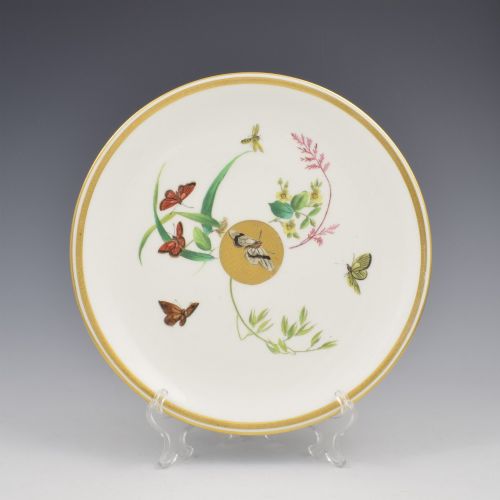
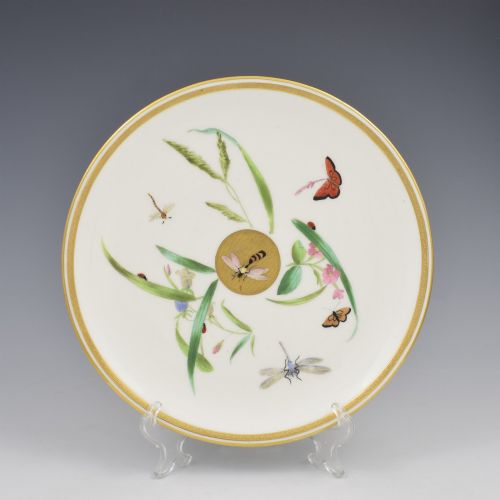
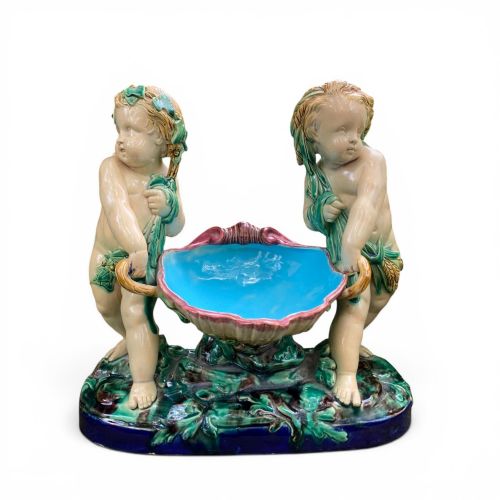
Decoration frequently includes enamel work, gilding with gold leaf, and high-relief majolica moulding. These combined methods allow for rich polychrome palettes, seen in Japanese-inspired insect motifs and elaborate armorial crests.
Minton Ceramic Dish Retail Price Guide 2026
Typical asking prices for minton ceramic dish among the pieces listed under this phrase on Sellingantiques today, from the lower quarter to the upper quarter. They describe what is for sale here now, not the wider market.
Several Victorian pieces feature cheerful cherubs holding baskets or acting as part of elaborate table centrepieces.
What Varies in Quality
The standard of execution depends heavily on the precision of hand-painting, the crispness of moulded details such as cherubs or basketweave, and the preservation of delicate gilt highlights. Superior examples maintain vibrant enamel colours and intact gilding without heavy rubbing.
Complexity of form also distinguishes output, separating standard transfer-printed wares from elaborately modelled majolica centrepieces, figural celadon pieces, and bespoke armorial services bearing coats of arms.
Minton
The Minton Ceramic Dish Glossary
- Majolica
- A type of colourful, lead-glazed earthenware popular during the Victorian era, known for moulded figural and botanical motifs. This technique allowed makers to produce highly sculptural centrepieces and baskets.
- Ironstone
- A heavy, durable type of earthenware developed in the nineteenth century to imitate porcelain. It provides a sturdy body suitable for large serving platters and pedestal bowls.
- Compote
- A raised bowl or dish used for serving fruit or sweets at the table, often featuring a stem and pedestal base. These pieces frequently form part of larger dessert services.
- Celadon
- A pale green jade-like glaze applied to ceramic bodies, originating in East Asian ceramics and adopted by European factories in the nineteenth century. It imparts a subtle, uniform tone to figurines and vessels.
- Well and Tree Platter
- A large serving platter designed with channels and a recessed well to collect meat juices during carving. These functional dining pieces are often found in substantial nineteenth-century sizes.
Minton Ceramic Dish: Frequently Asked Questions
How do I date a minton ceramic dish?
Dating relies on factory mark styles, registration numbers stamped into the ceramic body, and stylistic periods such as Regency or Aesthetic Movement. Hand-written pattern numbers and specific historic motifs also help narrow the production window.
Changes in body composition, from early ironstone and soft-paste styles to later Victorian majolica and hard porcelain, further clarify the age of an individual piece.
Were these pieces used for dining?
Many items, including meat platters, well and tree platters, and dessert plates, served practical functions at grand nineteenth-century dining tables. Robust ironstone and heavy earthenware bodies were designed to withstand regular household use.
Other forms, such as cabinet plates, compotes, and majolica centrepieces, were primarily decorative or used specifically for displaying fruit and sweetmeats during formal courses.
What is the Aesthetic Movement style?
The Aesthetic Movement emerged in the late nineteenth century, placing an emphasis on visual beauty and drawing heavy inspiration from Japanese art. On ceramics, this translates to asymmetric compositions, gilt sunbursts, and motifs of insects, birds, and flora.
Dishes in this style break away from traditional European symmetry, offering flatter, more graphic decorative schemes on porcelain bodies.
How should I care for antique ceramic dishes?
Care requires gentle hand washing in lukewarm water with mild detergent, avoiding harsh abrasives that can damage delicate enamel work or wear away gold leaf. Storing pieces securely on flat surfaces prevents chipping along the rims.
Items with extensive gilding or majolica glazes should be kept away from direct sunlight and sudden temperature changes to preserve the surface finish over time.