



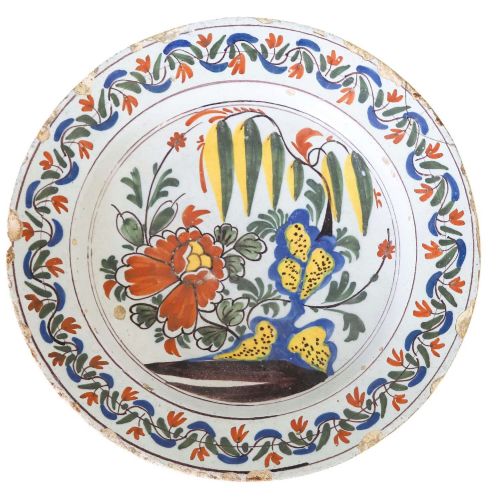

English Chinoiserie Plate
An English chinoiserie plate brings together European ceramic forms and imagined Eastern motifs, offering a glimpse into eighteenth- and nineteenth-century tastes.
English Chinoiserie Plate
An English chinoiserie plate embodies European interpretations of East Asian art, taking the form of chargers, dessert plates, and serving dishes. These pieces appear across eighteenth- and nineteenth-century eras, spanning periods from the Georgian and Regency years through to the Victorian age.
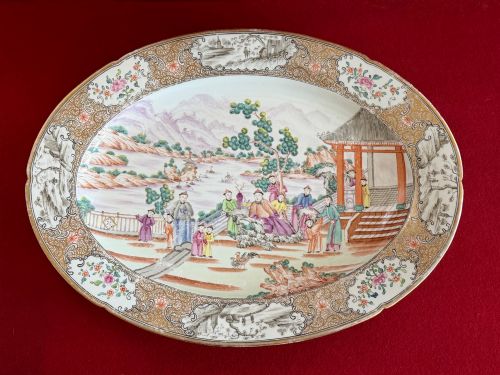
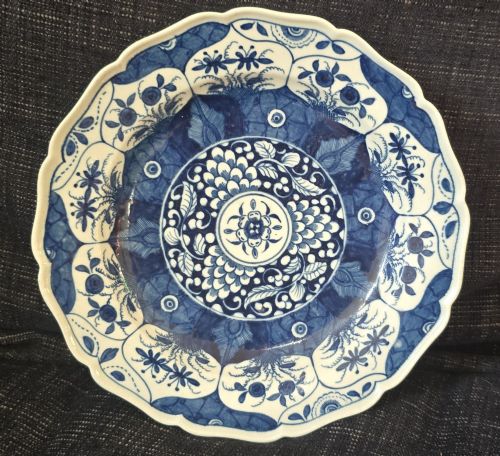
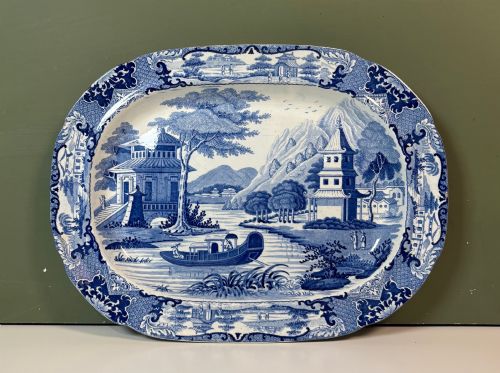
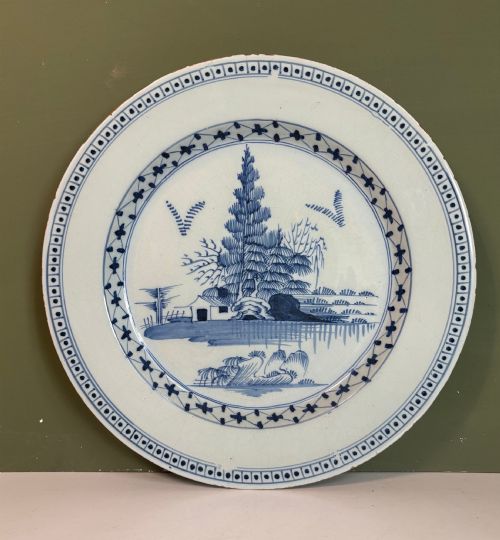
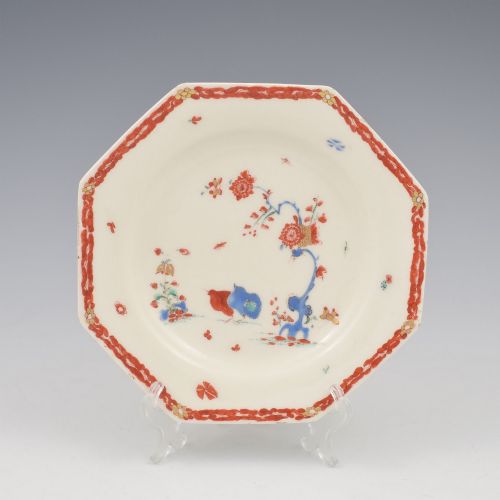
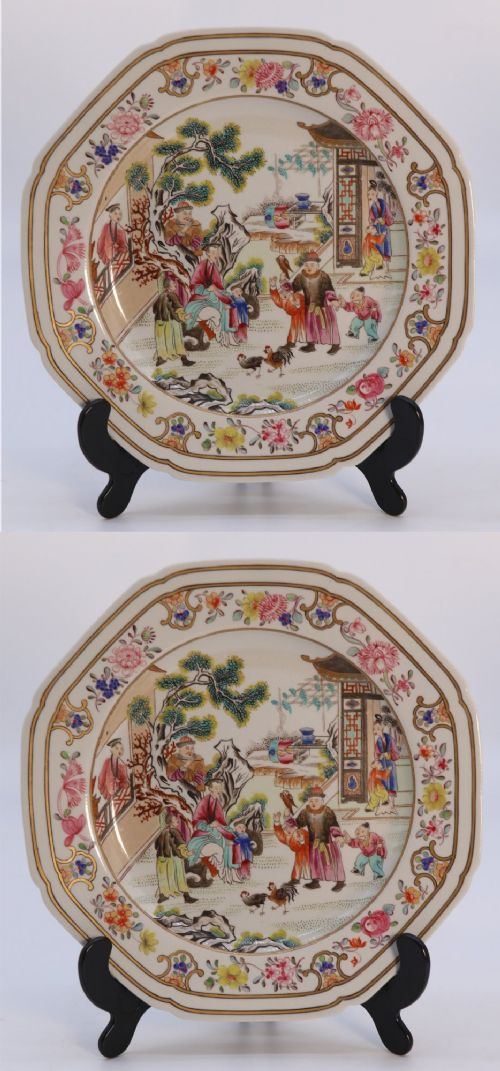
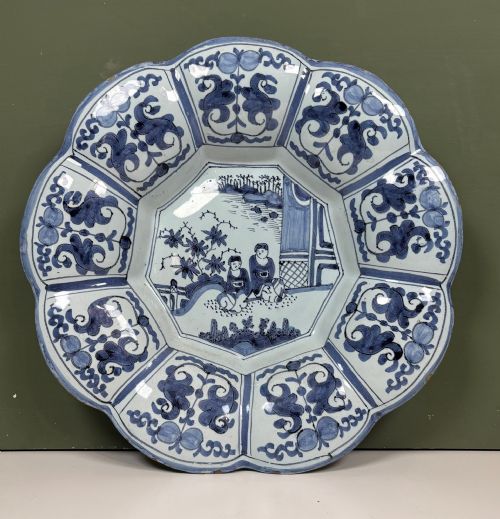
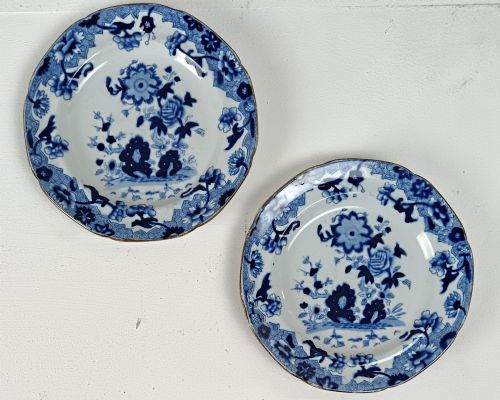
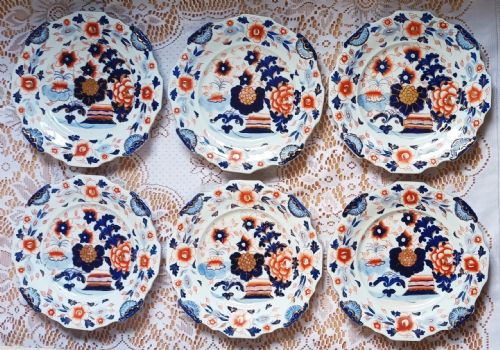
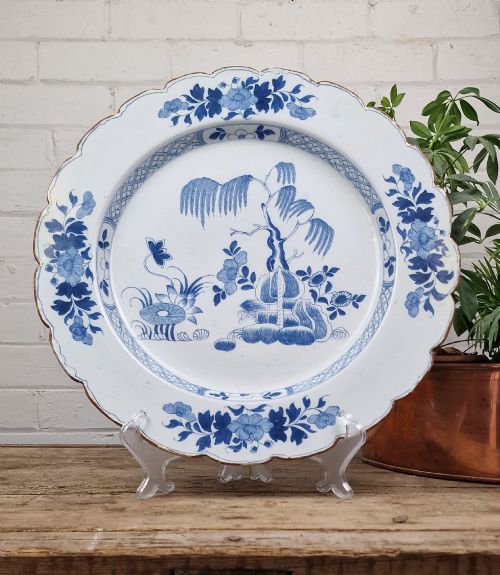
The objects on this page range from early tin-glazed earthenware delftware to later ironstone china and porcelain. Collectors encounter octagonal plates, round chargers, and rectangular platters decorated with hand-painted or transfer-printed motifs such as pagodas, exotic birds, and the willow pattern.
Materials and Methods
Potters utilised earthenware, ceramic, ironstone, and tin glaze as the foundation for these dishes, applying cobalt pigment and enamel paints to achieve vibrant blue and polychrome colour schemes. Some fine porcelain pieces incorporated delicate touches of gold leaf to accentuate the painted patterns.
Production methods evolved from tin-glazed delftware techniques requiring manual brushwork to industrial pearlware and ironstone bodies decorated with detailed transfer printing or careful hand-painting by factory artisans.
English Chinoiserie Plate Retail Price Guide 2026
Typical asking prices for english chinoiserie plate among the pieces listed under this phrase on Sellingantiques today, from the lower quarter to the upper quarter. They describe what is for sale here now, not the wider market.
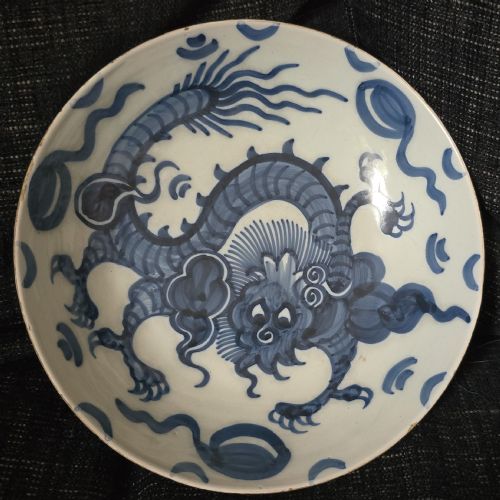
Several plates depict determined mythical beasts and dragons sharing domestic space with bewildered-looking waterfowl.
Distinctions in Quality
Quality rests upon the crispness of the painted or transferred design, the uniformity of the glaze, and the sophistication of the ceramic body itself. Early tin-glazed delftware shows individual painterly brushstrokes, whereas nineteenth-century ironstone and stone china offer a harder, more durable surface suited to intricate patterns.
The distinction between standard service wares and cabinet pieces depends on the complexity of the palette, such as rich polychrome enamels or detailed dragon and Kakiemon motifs executed by notable makers.
Spode·Coalport·Worcester·John Ridgway·Mason·Minton·Wedgwood·Caughley·Bow
The English Chinoiserie Plate Glossary
- Chinoiserie
- European decorative art influenced by Chinese and East Asian artistic traditions. This style shaped the painted pagodas, figures, and landscapes found on these ceramic plates.
- Ironstone
- A durable type of heavy earthenware patented in the nineteenth century. It provided a strong body for transfer-printed and brightly enamelled tableware.
- Kakiemon
- A style of Japanese enamelled porcelain characterised by asymmetrical designs and specific colour palettes. English porcelain factories often imitated these patterns in the eighteenth century.
English Chinoiserie Plate: Frequently Asked Questions
How do I date an English delft plate?
Eighteenth-century delft plates typically display a tin-glazed earthenware body with characteristic glaze thinning and minor rim chipping. Examining the pigments and foot rim helps determine whether a piece belongs to the early or late eighteenth century.
The palette and painting style offer further clues, as earlier examples often rely on simple cobalt blue brushwork while later pieces introduce richer polychrome enamels.
What is ironstone china?
Ironstone is a dense, durable ceramic body developed in the nineteenth century to withstand daily dining use while accommodating rich decoration. It served as a robust alternative to softer earthenwares and delicate porcelains.
Plates made from this material often feature transfer-printed or hand-enamelled patterns in bright orange, blue, and green grounds.
How were these plates used?
These pieces functioned as tableware for serving food, presenting desserts, or displaying fruit during formal meals. Large chargers and platters served meats and main courses.
Smaller dessert plates and cabinet plates were frequently showcased on sideboards or hung on walls as decorative items within the home.
What is the willow pattern?
The willow pattern is a blue and white transfer-printed design depicting a Chinese landscape with bridges, figures, pagodas, and birds. It became a staple of English ceramic production around the late eighteenth century.
Potteries across England adapted this motif onto pearlware chargers, dishes, and plates to satisfy popular demand for Eastern-inspired tableware.