

Gilded Porcelain Plates
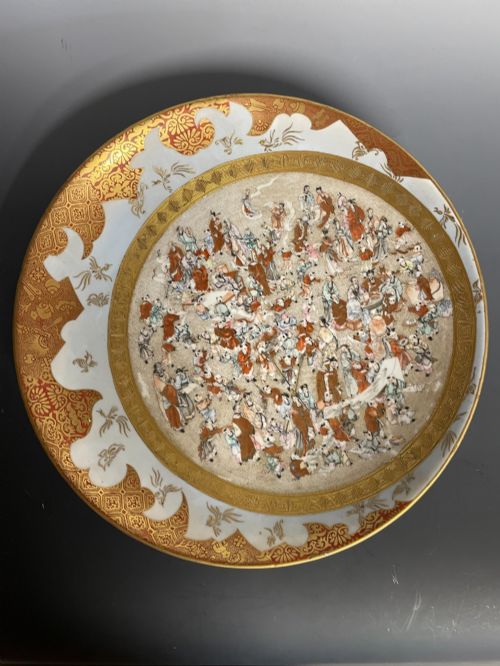
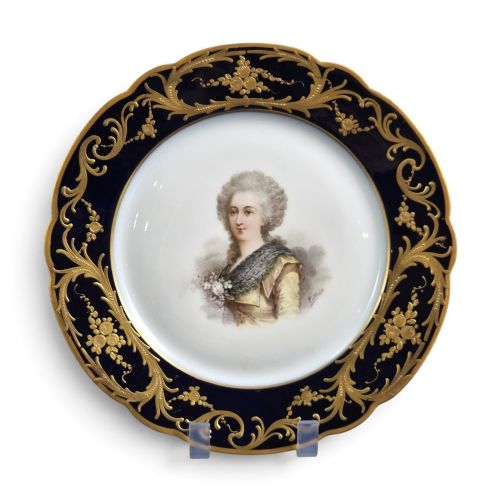
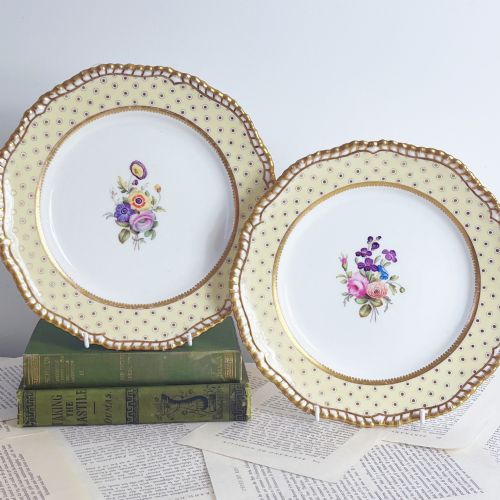
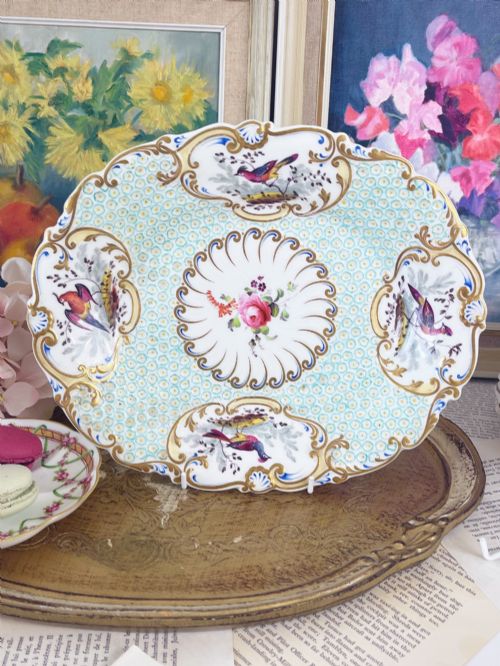
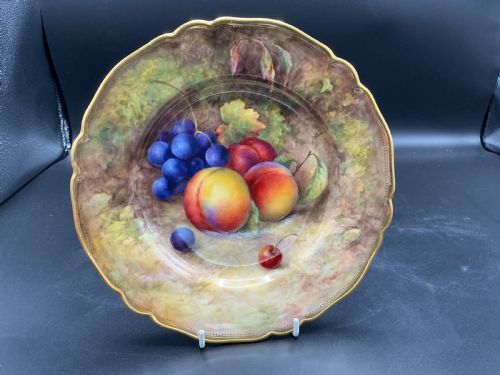
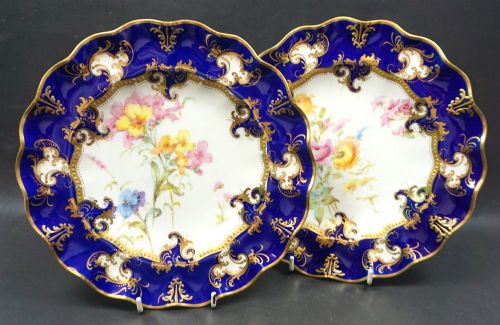
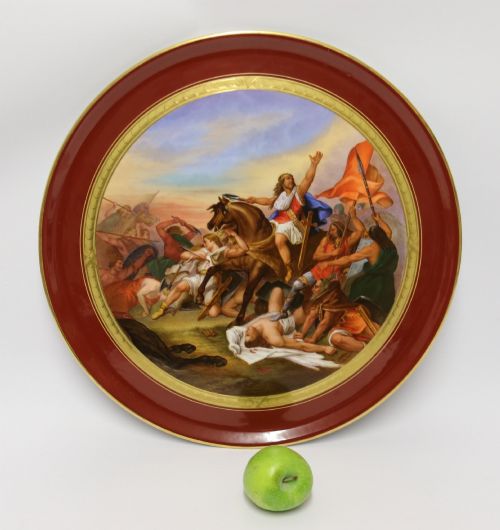
These gilded porcelain plates bring hand-painted artistry and rich metallic lustre to a table, combining centuries of ceramic skill with decorative splendour.
What these pieces are
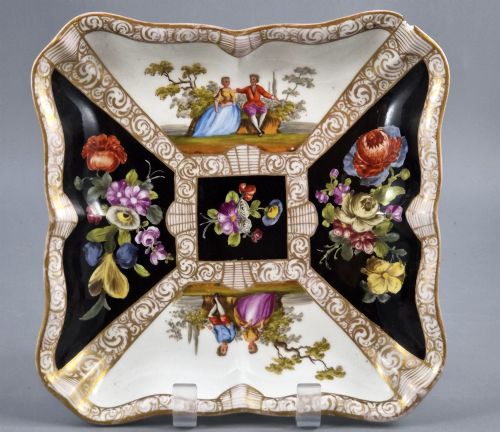
When you search for gilded porcelain plates, you encounter items designed for display, dessert service, or grand dining tables. These objects span periods from the Georgian era through to the early twentieth century, encompassing cabinet plates, dinner services, and dessert dishes.
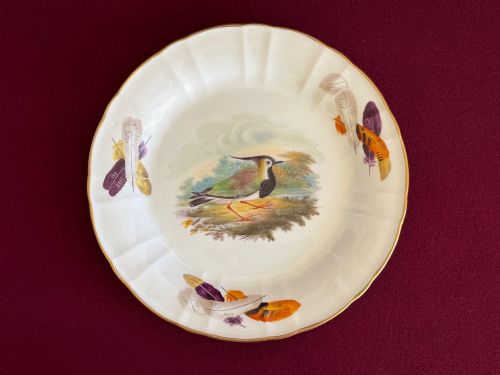
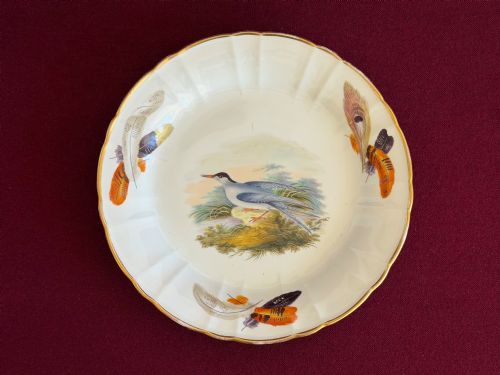
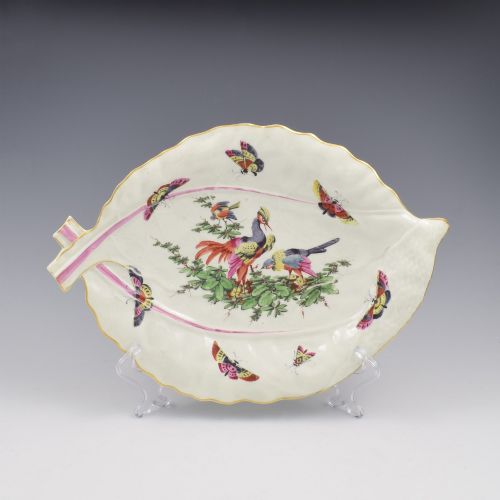
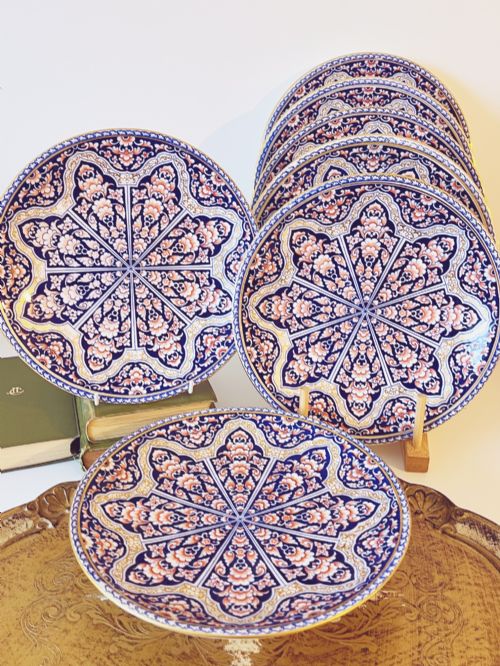
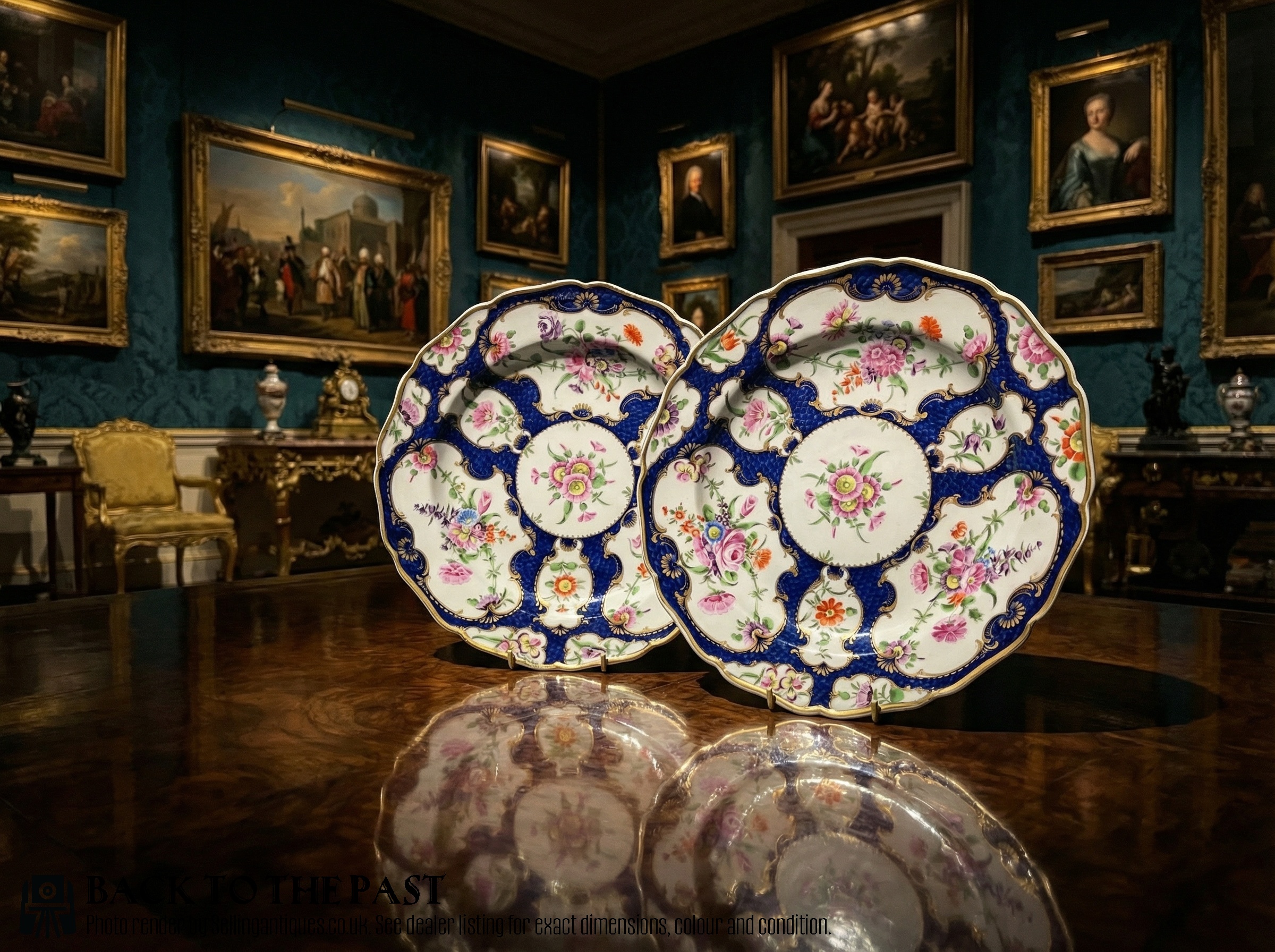
The selections available here frequently include Regency pairs and Victorian creations, alongside Continental works such as Meissen dessert dishes and French Empire pieces. Forms range from basketweave shapes to blue scale patterns and cabinet plates attributed to specific artists.
How they were made
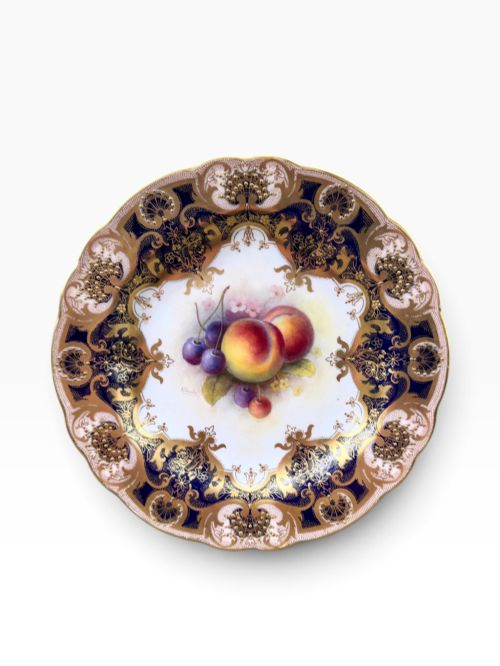
The foundation of these items lies in hard-paste porcelain, soft-paste porcelain, or bone china, shaped through traditional potting techniques. Makers then applied detailed enamel painting alongside applied gilding and gold leaf to create the finished surface.
Decorating these ceramics required precise kiln firing to fuse the metallic gold and coloured enamels permanently to the ceramic body. Skilled artisans executed intricate motifs by hand, ensuring that the lustre of the gilding complemented the underlying porcelain body.
Retail Price Guide 2026
Typical UK retail prices for gilded porcelain plates, calculated from the Sellingantiques database of over a million retail prices indexed since 2003. This retail price guide relies exclusively on Sellingantiques data; no external sources or auction records are used, so the figures do not describe the wider market.
The inventory spans multiple periods including Georgian, Regency, Victorian, and the nineteen twenties.
What varies in quality
Quality in these ceramics rests upon the finesse of the hand-painting and the purity of the porcelain paste. Finer examples display superior brushwork in the enamel scenes and heavier, more meticulously burnished gold leaf.
The prestige of the manufactory also shapes the standing of a piece, with established workshops like Worcester, Nantgarw, or Meissen demonstrating advanced technical mastery. Furthermore, the precision of the gilding and the crispness of moulded details distinguish standard tablewares from exceptional cabinet pieces.
Copeland Spode·Barr Flight and Barr·Minton·Nantgarw·Coalport·Royal Worcester·Meissen·Jean-Pierre Feuillet
The Gilded Porcelain Plates Glossary
- Cabinet plate
- A decorative ceramic plate intended primarily for display in a cabinet or on a wall rather than for practical dining use. These often feature elaborate painted scenes and extensive gilding.
- Bone china
- A type of soft-paste porcelain containing bone ash, developed in England to create a strong, brilliantly white ceramic body. It accepts glazes and enamels exceptionally well.
- Gilding
- The application of gold leaf or powdered gold to the surface of porcelain. This metallic decoration is fired in a kiln to bond with the glaze.
- Soft-paste porcelain
- An artificial ceramic composition fired at lower temperatures than hard-paste porcelain, producing a warm texture. It was widely used by early English manufactories.
- Enamel
- Vitreous coloured glass applied over the glaze and fired at a lower temperature to fix the pigments. It provides the vibrant hues seen across many antique dishes.
Frequently Asked Questions
Can I use these antique plates for dining?
Most of these historic pieces, particularly cabinet plates and heavily gilded items, are intended for display and gentle collection rather than everyday meals. Using them regularly risks wearing down the delicate enamel painting and antique gold leaf.
For practical use, select robust dinner services or dessert dishes designed to handle light hospitality. Hand washing with mild soap is essential to preserve their historic surfaces.
How do I identify Regency porcelain plates?
Regency era ceramics often display neoclassical motifs, refined shapes, and meticulous hand-painted details reflecting early nineteenth-century tastes. Examining the paste, form, and any remaining factory marks helps determine this specific period.
Makers from this era, such as those working around eighteen hundred to eighteen twenty, utilised distinctive potting styles and specific enamel palettes.
What is the difference between hard and soft paste?
Hard-paste porcelain is fired at high temperatures, resulting in a dense, vitreous body that resists scratching. Soft-paste porcelain uses different ingredients fired at lower heats, creating a softer texture that absorbs enamels in a unique way.
English makers frequently developed their own refined soft-paste or bone china formulations during the Georgian and Regency periods.
How should I display antique porcelain plates?
Displaying these items securely involves using stable plate stands designed for heavy ceramics or professional wall-mounting brackets with protective coating. Keeping them away from direct sunlight protects the painted enamels from fading.
Ensure they rest in a stable environment away from high traffic areas to prevent accidental knocks against the gilded rims.