
19th Century Tableware
These 19th century tableware pieces bring dining room heritage to the table through porcelain, silver and earthenware.
19th Century Tableware
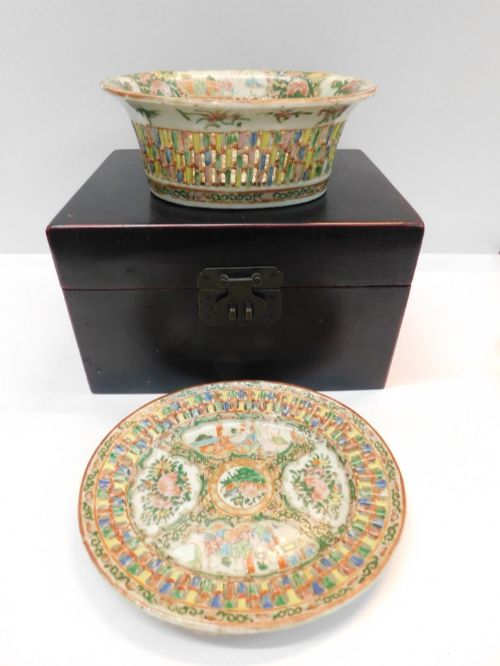
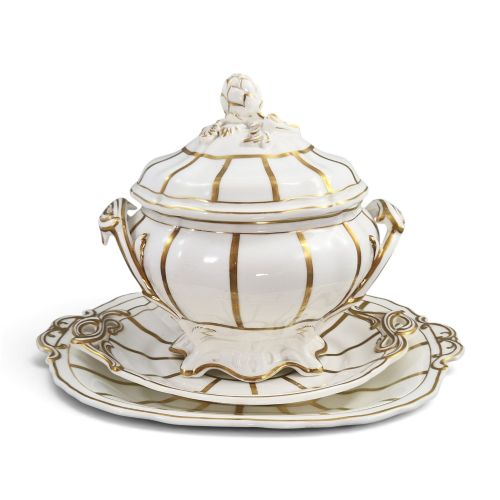
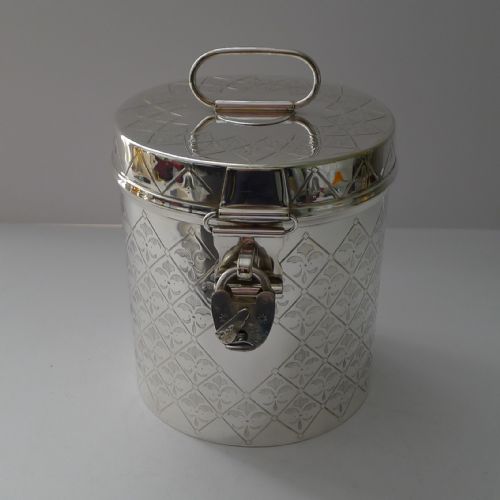
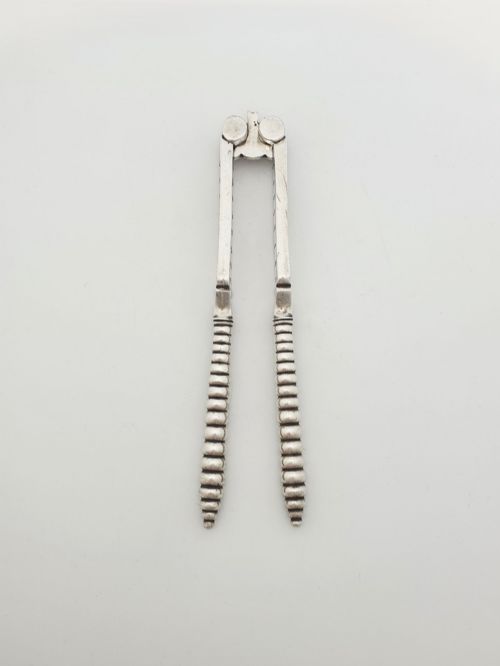
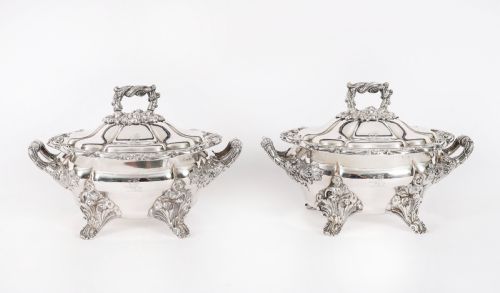
When searching for 19th century tableware, buyers encounter an array of dining and dessert service pieces spanning the Georgian, Regency and Victorian eras. These items encompass serving dishes, tureens, plates and condiment containers produced by established potteries and silversmiths.
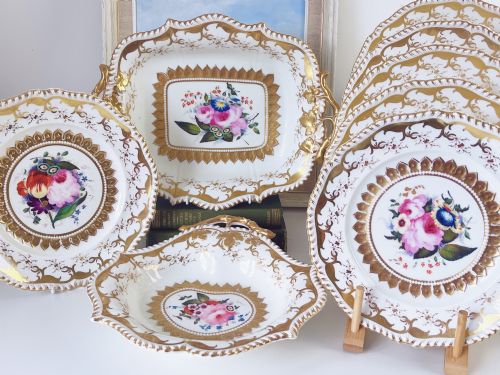
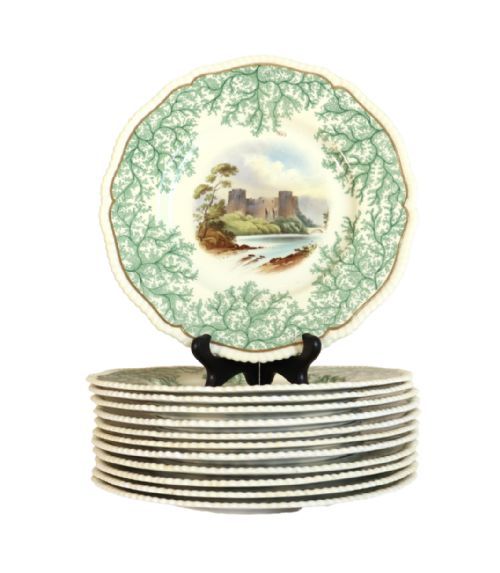
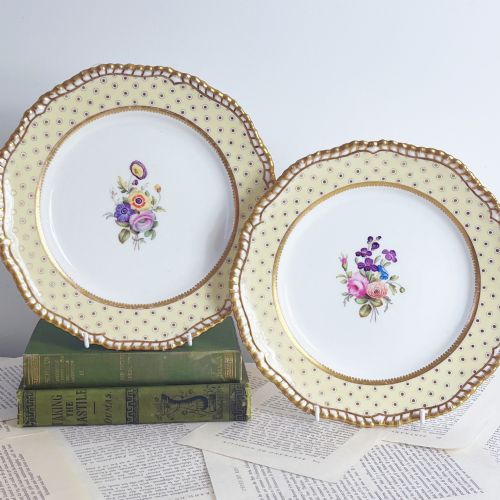
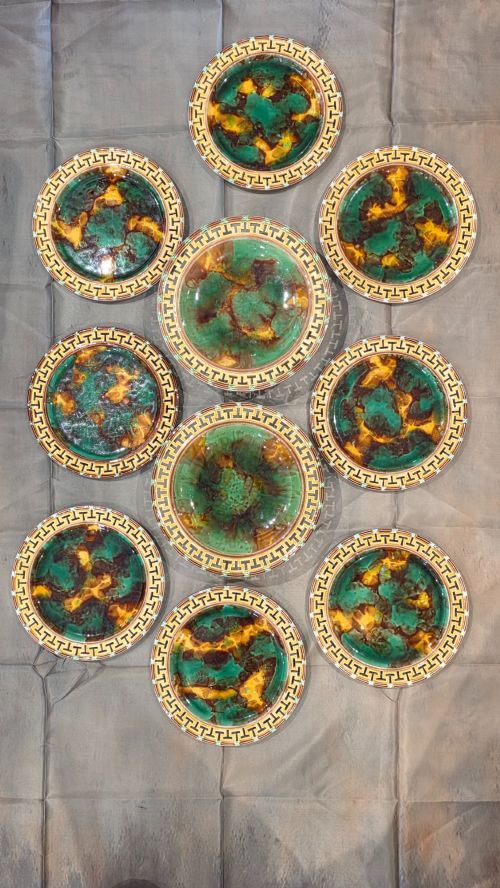
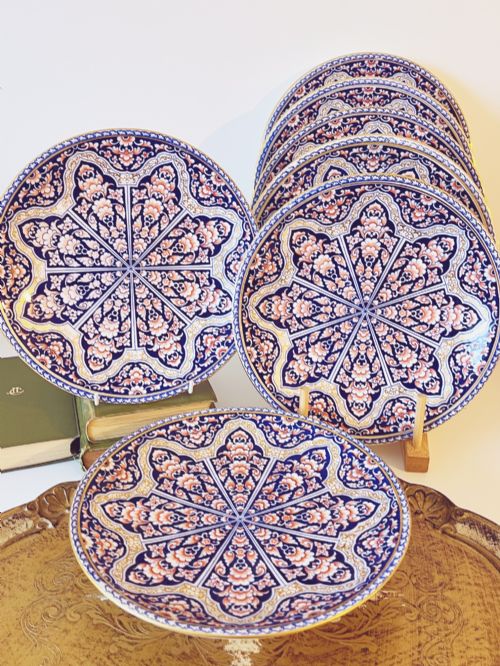
The objects most frequently met on this page include dessert services, porcelain plates with handpainted floral or landscape motifs, and silver-plated or sterling serving vessels. Pieces range from earthenware platters to fine bone china tea sets and majolica cheese dishes.
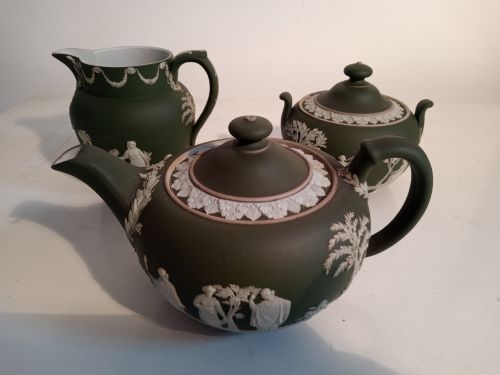
Origins stretch from English factories such as Spode, Wedgwood and Masons to continental European makers and Imperial Russian porcelain works. Forms reflect the changing dining habits of the period, moving from formal multicourse service utensils to specialised accessories.
Materials and production methods
Manufacturing methods combine traditional ceramic throwing and moulding with specialised glazing techniques like majolica and transfer printing. Porcelain, earthenware and ironstone form the structural body for plates, tureens and cream jugs, finished with handpainted enamels or gilt highlights.
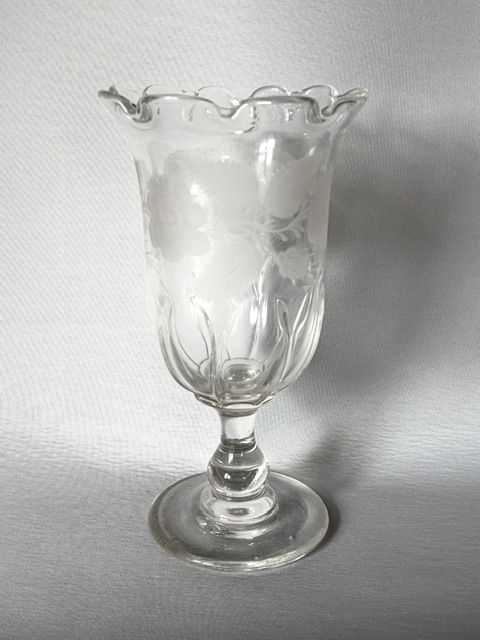
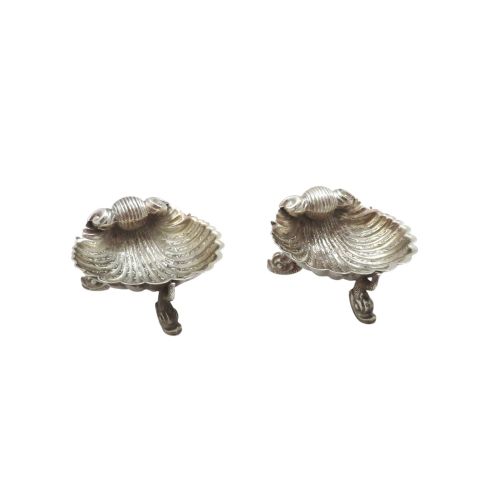
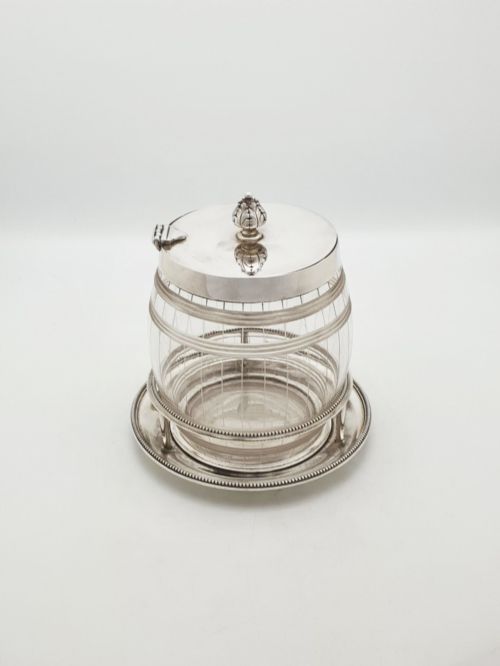
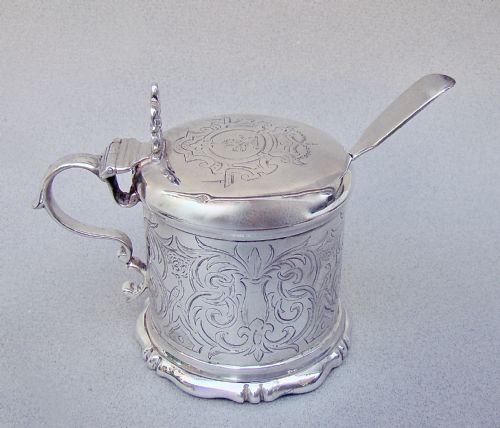
Metal items utilise sterling silver, Old Sheffield plate and silver plating over base metals, often combined with turned wooden handles or cut glass bodies. Biscuit barrels and condiment cruets frequently pair silver-plated mounts with oak barrels or etched glass containers.
Assessing quality in tableware
Quality differences stem from the fineness of the ceramic paste, the crispness of moulded relief details, and the execution of handpainted decoration. Superior porcelain displays translucent bodies and precise enamel work, whereas finer silver pieces exhibit crisp hallmarks and well-balanced weight.
The execution of decorative borders, such as transfer-printed scenes or hand-applied gold leaf, distinguishes standard production ware from superior commission pieces. Maker attribution and matching set completeness further elevate the standing of individual services.
Grainger Lee And Co·Spode·Wedgwood·Royal Crown Derby·Davenport·Mappin And Webb·Elkington·Charles And George Fox·George Jones·Meissen·Mintons·William Bennett·Matthew Boulton
The 19th Century Tableware Glossary
- Majolica
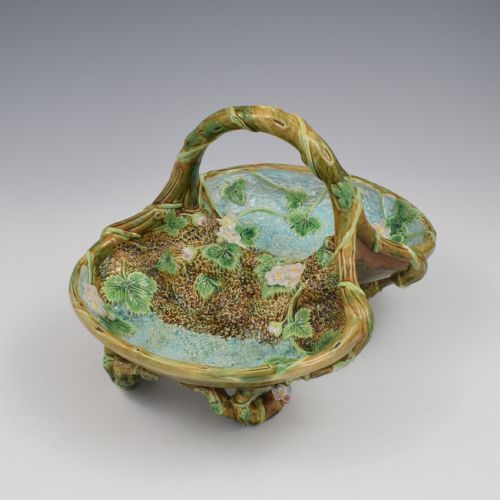
- A type of earthenware characterised by brightly coloured lead glazes applied over moulded clay reliefs. This technique produced deeply hued fruit baskets, cheese dishes and salad bowls during the Victorian period.
- Tureen
- A deep covered serving vessel used for soups, sauces or gravies. These pieces often include matching stands and ladles.
- Comport
- A raised dish or bowl used for presenting fruit or sweetmeats as part of a dessert service. They frequently sit on a pedestal base at the centre of the table.
- Old Sheffield Plate
- A composite material made by fusing a thin sheet of silver to a thicker copper core. This method was widely utilised before the invention of electroplating.
- Ironstone
- A heavy, durable type of earthenware patented in the early nineteenth century. It provided a robust alternative to porcelain for everyday dining plates and serving tureens.
19th Century Tableware: Frequently Asked Questions
How do I care for antique ceramic tableware?
Wash ceramic pieces by hand in warm water using a mild detergent, avoiding automatic dishwashers and harsh abrasive sponges.
Store stacked plates with felt or paper dividers to protect the glaze and handpainted enamel surfaces from scratching.
Can I use silver plated tableware for dining?
Silver plated items are suitable for regular dining use provided they receive prompt cleaning after contact with acidic foods.
Polish the metal surfaces occasionally with a dedicated silver cloth to maintain the shine without wearing through the plating.
How do I distinguish ironstone from porcelain?
Ironstone is heavier, opaque, and possesses a robust utility feel designed for durable service.
Porcelain is thinner, lighter, and often displays a degree of translucency when held up to a strong light source.
What is a dessert service?
A dessert service is a matched set of plates, comports and serving dishes intended for the final course of a formal meal.
These suites frequently feature elaborate handpainted botanical or landscape motifs that differ from the main dinner plates.