

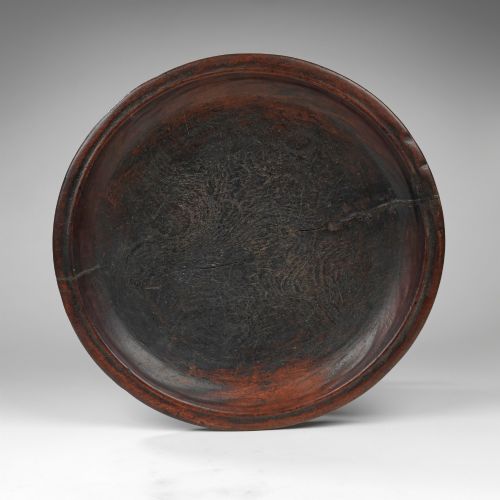
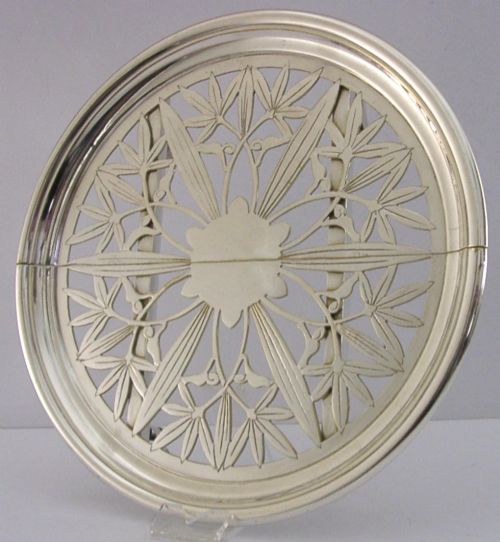
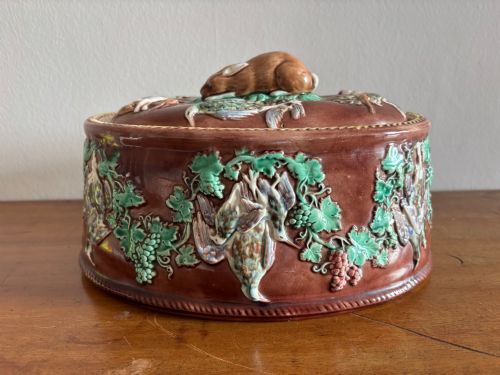
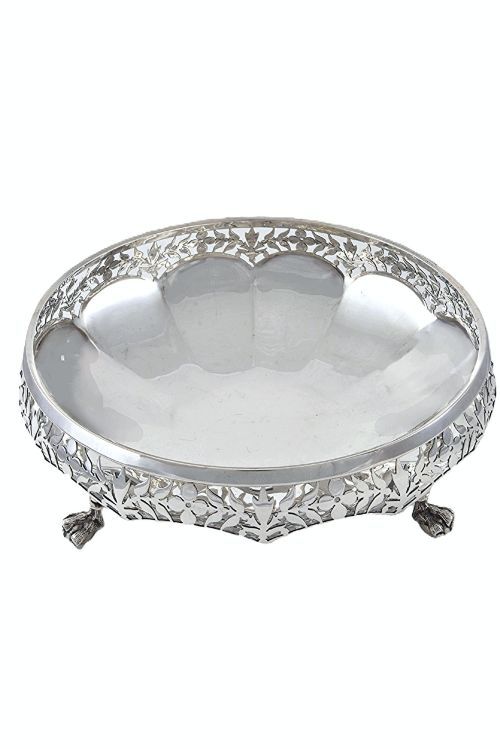
Vintage Serving Dish
A vintage serving dish brings domestic history straight to the table, offering utility shaped by decades of dining tradition.
Vintage Serving Dish
A vintage serving dish encompasses a wide variety of domestic vessels designed for presenting food, from meat platters and tureens to bowls and trays. These pieces bridge the gap between practical tableware and decorative display, serving functions that range from everyday family meals to formal dining.
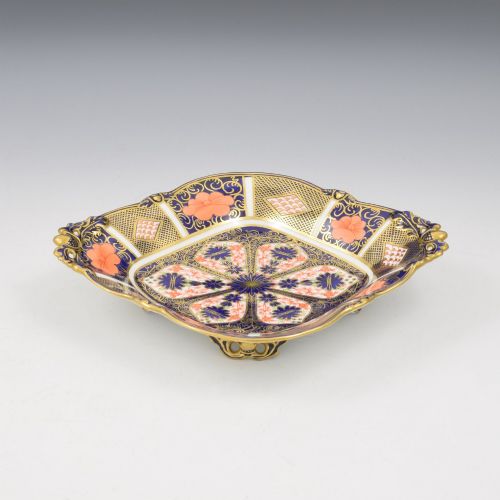
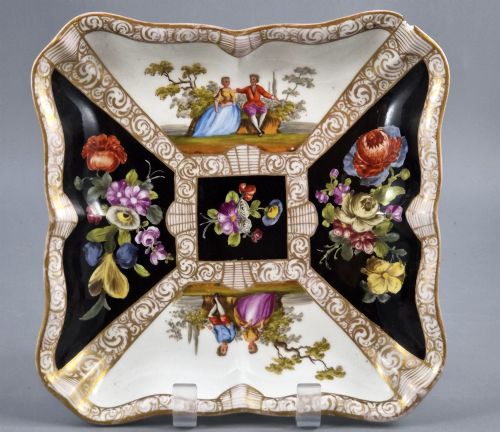
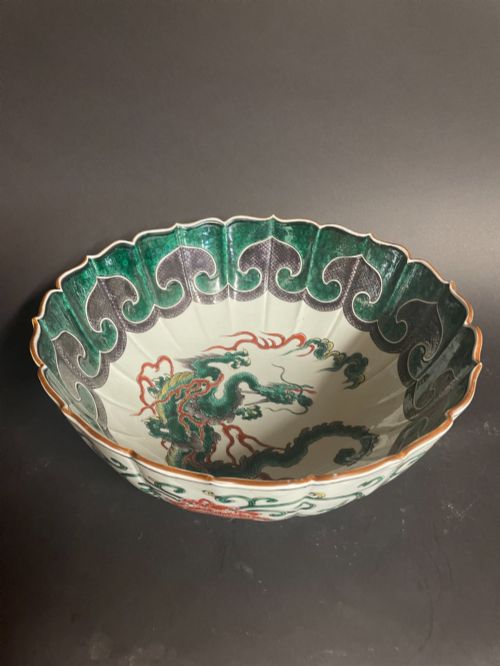
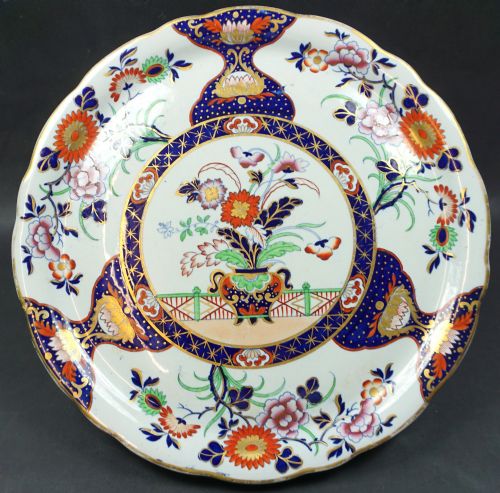
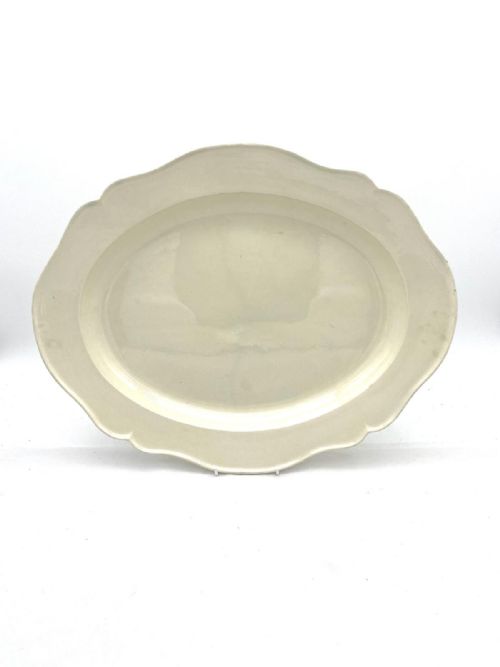
The selections span numerous periods and origins, featuring English pottery, French faience, German porcelain, and Japanese Imari wares. Forms include oval platters, square dishes, vegetable tureens, and fruit baskets created across the eighteenth, nineteenth, and early twentieth centuries.
Buyers encounter earthenware, porcelain, silver plate, and glass vessels reflecting styles from Georgian elegance through Victorian exuberance to Edwardian refinement and Art Deco geometry. Each vintage serving dish carries the distinct aesthetic mark of its maker and period.
How they were made
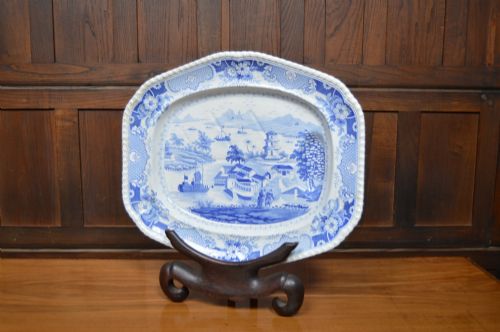
Pottery and porcelain pieces rely on ceramic bodies shaped by hand or mould, then finished with hand-painted motifs, transfer printing, or rich glazes. Transferware techniques allow intricate blue and white patterns like India Temple or Europa to cover chargers and tureens.
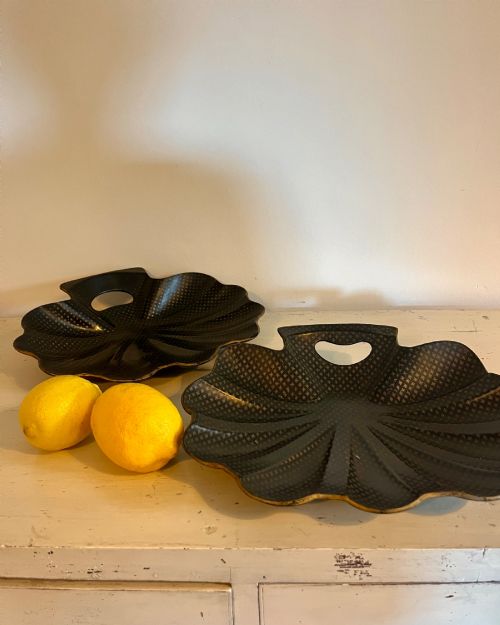
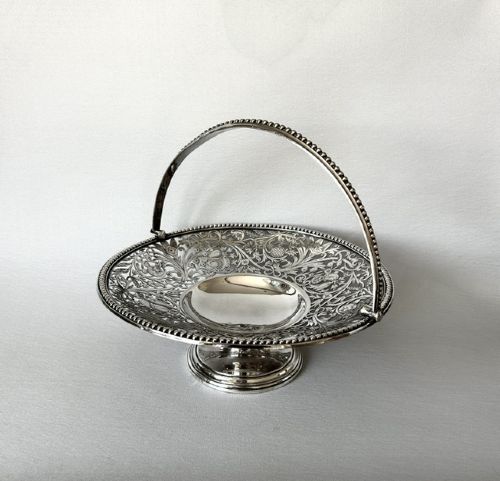
Metal items utilise silver plate, copper, or pewter, often shaped through stamping, casting, or spinning before receiving applied borders and handles. Silver plated articles frequently incorporate copper bases beneath reflective metallic layers.
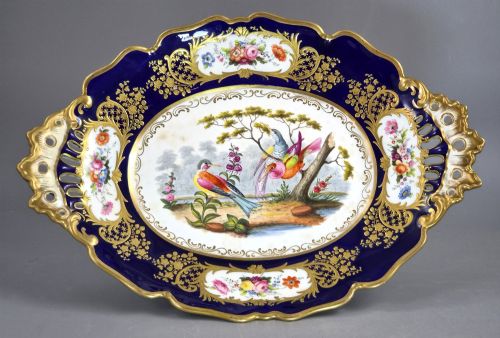
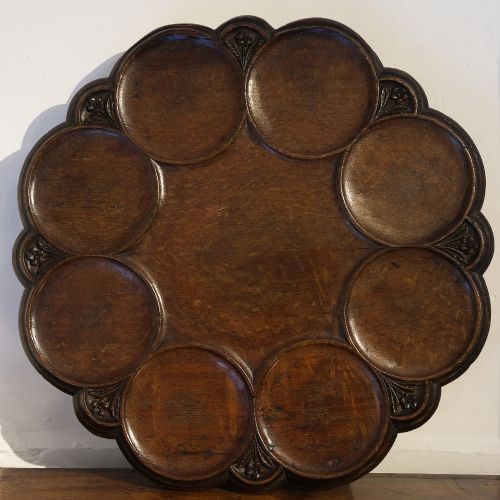
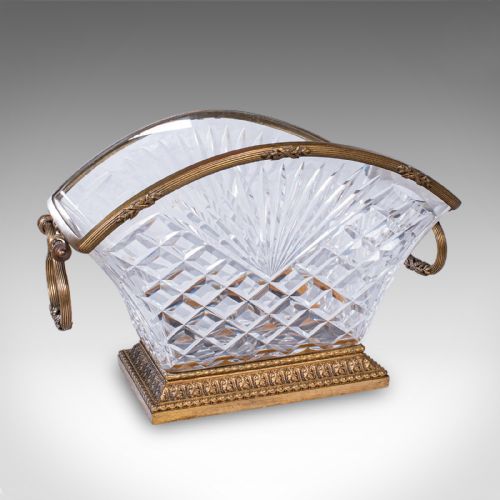
Glass and decorative variants combine cut crystal, ormolu mounts, and lacquered wood to create multi-material pieces. Artisans deploy gilding, gold leaf, and enamel work to add surface detail to porcelain dishes and cloisonne trays.
Listings feature items spanning the eighteenth, nineteenth, and early twentieth centuries, constructed from earthenware, porcelain, silver plate, copper, and glass.
What varies in quality
The calibre of a vintage serving dish rests upon the crispness of its moulding, the depth of its glaze, and the precision of its painted or printed decoration. Hand-painted porcelain by named makers exhibits finer brushwork and superior kilning control than mass-produced utilitarian ware.
Metalwork quality shows in the weight of the silver plate, the crispness of chased or pierced ornamentation, and the structural integrity of stands and swing-handles. Thicker plating and substantial base metals indicate higher manufacturing standards.
Design complexity and artistic ambition set superior pieces apart, visible in balanced transfer prints, harmonious colour palettes, and intricate handles or finials. Pieces attributed to notable potteries or silversmiths demonstrate greater technical mastery.
Coalport·Meissen·Christofle·Wedgwood·Mappin & Webb·Royal Doulton·Minton·Elkington·Walker and Hall
The Vintage Serving Dish Glossary
- Transferware
- Pottery decorated by applying a printed design from an engraved copper plate to the ceramic surface. This technique enabled intricate multi-scene patterns to be produced consistently on plates and platters.
- Silver Plate
- A base metal, often copper or Britannia metal, coated with a thin layer of silver through electroplating or older fusion methods. It provides the appearance and lustre of solid silver at a lower cost.
- Tureen
- A deep, covered bowl used for serving soups, stews, or vegetables at the table. These vessels often include matching stands and decorative handles.
- Charger
- A large decorative or serving plate used traditionally beneath other courses or as a central platter. Examples appear in earthenware, pewter, and porcelain.
- Imari
- Japanese porcelain decorated in underglaze blue and overglaze iron red, gold, and secondary colours. This style gained immense popularity in Europe during the export periods.
Vintage Serving Dish: Frequently Asked Questions
How do I date a transferware platter?
Dating transferware relies on backstamps, ceramic bodies, and pattern names recorded in historical archives. Potters often changed their marks with new partnerships or royal appointments.
Style clues within the border designs and the shade of the blue transfer print also help narrow the decade of production.
Can I use antique silver plate for dining?
Silver plated dishes and baskets function well for serving dry foods, bread, or fruit during meals. Gentle handling preserves the underlying metal plating.
Avoid abrasive cleaners and harsh detergents to maintain the historical surface sheen over decades of use.
What is the difference between earthenware and porcelain?
Earthenware uses porous clay fired at lower temperatures, resulting in heavier, opaque walls often finished with a tin or lead glaze. It forms the body of traditional transferware chargers and utility platters.
Porcelain utilises refined kaolin clay fired at high heat, producing a vitrified, translucent material capable of delicate forms and fine cabinet pieces.
How should I display a vintage serving dish?
Displaying larger platters and chargers safely requires sturdy plate rails, wall brackets, or dedicated display stands that support the weight evenly. Position pieces away from direct sunlight to protect hand-coloured details and enamels.
Mixing ceramic chargers with metal trays creates textural contrast on a dresser or sideboard.