


Hand Painted Ironstone Plate
These hand painted ironstone plate pieces bring durable ceramic utility and vibrant decoration to the table, rooted in nineteenth century craftsmanship.
Hand Painted Ironstone Plate
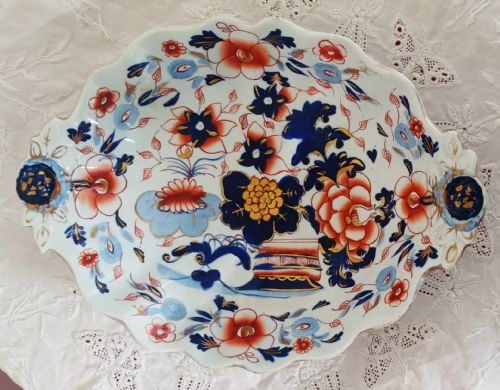
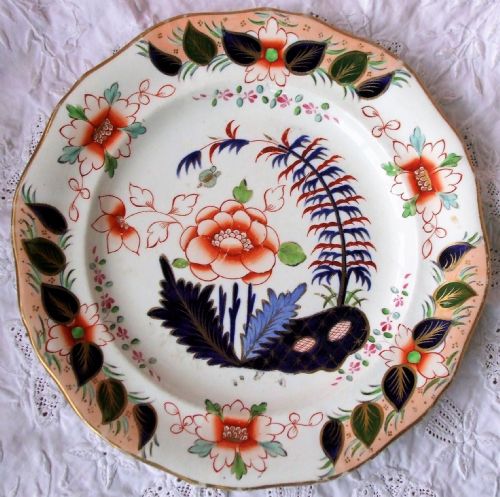
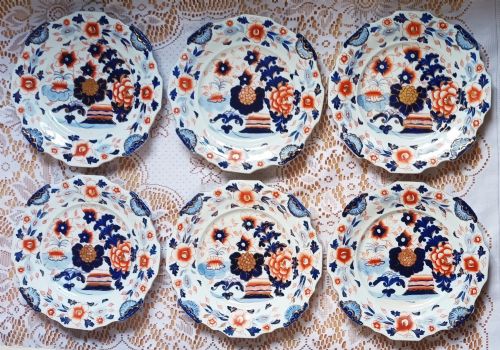
A hand painted ironstone plate is a dense, heavy ceramic vessel designed for serving food or display, appearing frequently across nineteenth century periods. These items include individual dessert plates, low comports, meat dishes, and large platters intended for formal dining.
The styles range from Georgian and Regency to Victorian Chinoiserie, with popular patterns such as Japan, Imari, Tonquin China, and Indian Grasshopper. Buyers most commonly meet nineteenth century examples featuring vibrant enamel painting on a robust ceramic body.
Materials and construction
Makers utilised heavy ironstone china and ceramic bodies finished with a protective glaze to create durable tableware capable of withstanding daily use. This dense ceramic material provides a sturdy foundation that supports both large meat platters and delicate dessert services.
Decoration relies on hand painted enamel colours, sometimes accented with gold leaf and gilding to highlight intricate Chinoiserie and Japan patterns. Artisans applied these pigments over or under the glaze before firing, locking the bright hues into the ceramic surface.
Several platters record the delightfully specific Indian Grasshopper pattern, proving nineteenth century decorators enjoyed naming insects.
Assessing quality
Quality rests in the crispness of the hand painted enamel work and the precision of the gilding applied to the ironstone surface. Superior examples display vibrant, tightly controlled brushstrokes that remain clear across complex patterns like Imari or Indian Grasshopper.
The refinement of the ceramic moulding also distinguishes finer service pieces and platters from utilitarian wares. Weight and balance matter, as does the purity of the white ironstone body beneath the glaze.
John Davenport of Longport·Mason
The Hand Painted Ironstone Plate Glossary
- Ironstone
- A heavy, durable ceramic patented in the nineteenth century to rival imported porcelain. It offers great strength and resists chipping.
- Comport
- A raised dish or bowl used for serving fruit or dessert at the table. These sit on a short pedestal or foot.
- Imari
- A decorative style inspired by Japanese export porcelain featuring rich blues, iron red, and gold. Makers applied this palette extensively to ironstone plates.
- Chinoiserie
- European decorative motifs imitating Chinese artistic traditions. These designs appear frequently on nineteenth century dessert services.
Hand Painted Ironstone Plate: Frequently Asked Questions
How do I date an ironstone plate?
Dating relies on maker marks, ceramic bodies, and decorative styles recorded across the nineteenth century. Georgian and Victorian pieces often show distinct pattern names on the reverse.
Comparing the weight, glaze texture, and hand painted enamel palette against known historical examples helps narrow the production period further.
Can I use these plates for dining?
These pieces were built as durable ceramic tableware, but modern use requires care to protect fragile gilding and hand painted enamel. Hand washing preserves the historic glaze and prevents surface wear.
Many collectors prefer to display large platters and comports on walls or dressers rather than risking daily dining service.
What is the difference between ironstone and porcelain?
Ironstone is a heavy, opaque earthenware ceramic containing refined stone dust and clay for added strength. Porcelain is lighter, more translucent, and fired at higher temperatures.
Plates made from ironstone offer greater resistance to daily knocks while still accepting detailed hand painted decoration.
Are matched sets common?
Finding large matched sets from the nineteenth century is uncommon, as many dessert services and platters became separated over generations. Individual plates and smaller pairings appear more frequently on the market.
Comports and meat dishes often survived independently from their original dining services.