


Cobalt Blue Ironstone Plate
These robust tablewares satisfy the search for a cobalt blue ironstone plate, bringing dense earthenware bodies and rich Asiatic transfer prints straight to the dining table.
Cobalt Blue Ironstone Plate
A cobalt blue ironstone plate represents a durable ceramic form designed for heavy nineteenth century dining. These pieces emerge primarily from nineteenth century workshops during the Georgian, Regency and Victorian periods.
Buyers encountering this search phrase meet various forms including low comports, soup bowls, serving platters, and dinner plates. The domestic table setting relies heavily on these dense earthenware dishes for everyday service.
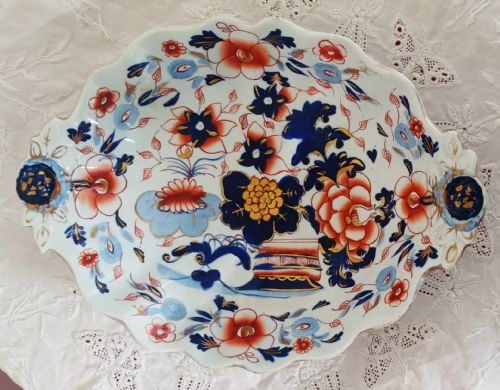
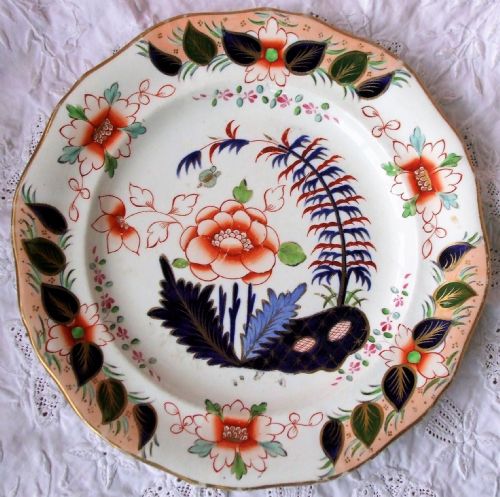
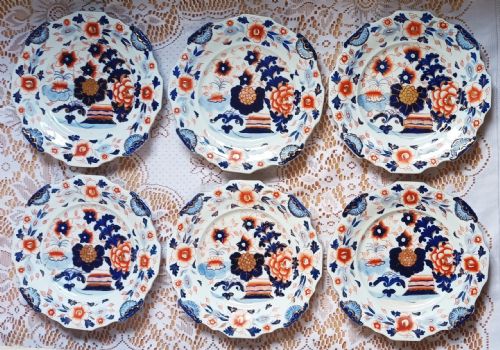
Pattern names such as Japan, Imari, Penang, Blue Pheasants, Tonquin, Old School House, Water Lily, Grasshopper, and Pagoda appear across the pieces. Many items feature rich blue transfer printing enhanced with enamel and gold leaf or gilding.
Materials and production methods
Makers utilised ironstone china, a dense ceramic body developed to resist chipping and heavy wear. This robust material supports deep blue underglaze decoration without losing structural integrity.
Potters applied intricate patterns through transfer printing using cobalt oxide pigments. Artisans then frequently added hand-painted enamel colours and gold leaf highlights over the glaze.
Kiln firing fused the ceramic glaze and blue pigments into a hard, vitreous surface. Subsequent low-temperature firings fixed any additional gilding or coloured enamels applied to the plate.
Listings feature nineteenth century ironstone plates decorated with cobalt blue transfer printing, enamel highlights, and gold leaf.
Distinctions in grade and execution
The precision of the cobalt blue transfer print dictates much of the visual clarity across the ceramic surface. Crisp lines and deep, even colour tones separate masterworks from softer, blurred impressions.
The application of secondary enamels and gold leaf introduces another tier of distinction. Skilled hand-painting over the glaze elevates standard tableware into sophisticated display pieces.
The prestige of the producing factory influences the standing of each dish. Established makers known for patent ironstone bodies command greater attention from serious collectors.
John Davenport of Longport·John Ridgway·Mason
The Cobalt Blue Ironstone Plate Glossary
- Ironstone China
- A heavy, vitrified earthenware patented in the early nineteenth century to imitate oriental porcelain. It offers exceptional durability for domestic service.
- Imari
- A decorative style inspired by Japanese export wares featuring iron red, cobalt blue, and gilt. Victorian potters reinterpreted these motifs on ironstone bodies.
- Comport
- A raised dish or bowl used for serving fruit or sweetmeats at the table. These pedestal forms sit higher than standard flat plates.
- Ashet
- A Scottish and northern English term for a large meat platter or serving dish. The word derives from the French assiette.
- Transfer Printing
- A method of applying intricate designs to ceramics using a paper or tissue pulled from an engraved copper plate. This technique allowed uniform patterns across large dinner services.
Cobalt Blue Ironstone Plate: Frequently Asked Questions
Can I use these plates daily?
These nineteenth century ironstone dishes were built for heavy domestic use and tolerate normal handling well.
However, pieces featuring delicate gold leaf or overglaze enamel work require careful hand washing rather than machine cleaning.
How do I date an ironstone plate?
Dating relies on factory backstamps, ceramic body characteristics, and the specific transfer printed pattern name.
Georgian and Regency examples often display lighter ceramic bodies, while Victorian pieces show heavier potting and bolder enamel colours.
What is the difference between ironstone and porcelain?
Ironstone is a heavy, opaque earthenware ceramic containing feldspar and china stone designed for strength.
Porcelain is a lighter, translucent ceramic fired at much higher temperatures from kaolin and petuntse.
How were these patterns named?
Potters named their patterns after oriental themes, geographical locations, or specific visual motifs like birds and flowers.
Names such as Japan, Tonquin, and Penang reflect the nineteenth century fascination with exotic eastern aesthetics.