


Gilt Rimmed Porcelain Plate
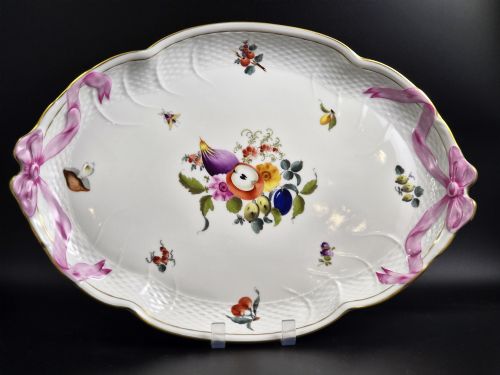
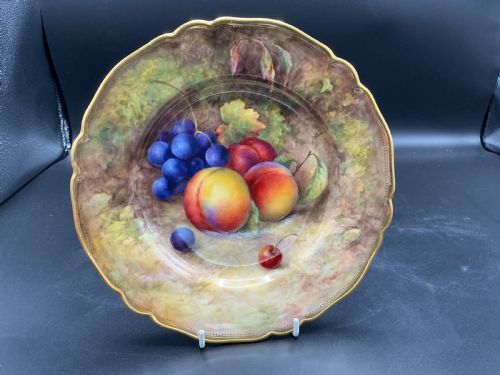
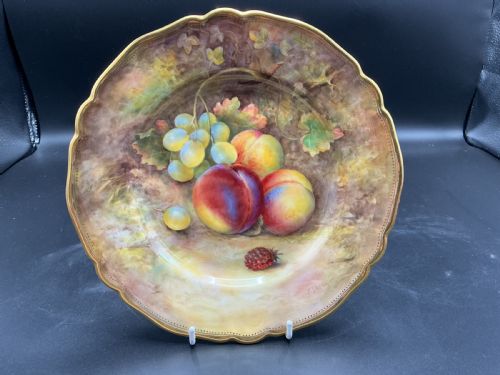
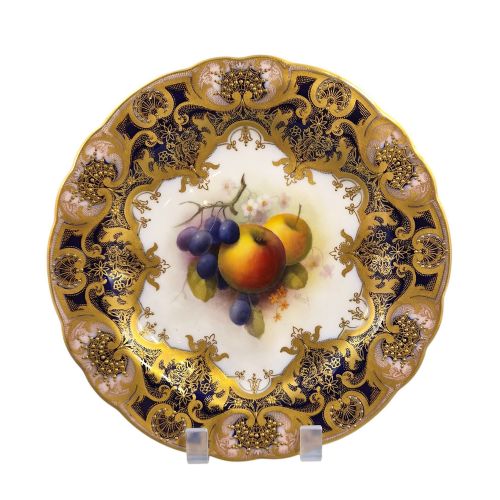
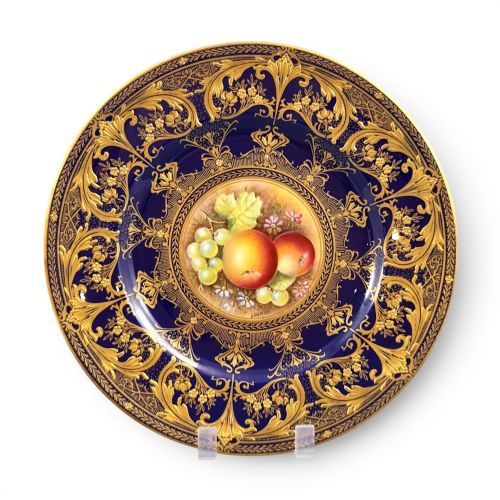
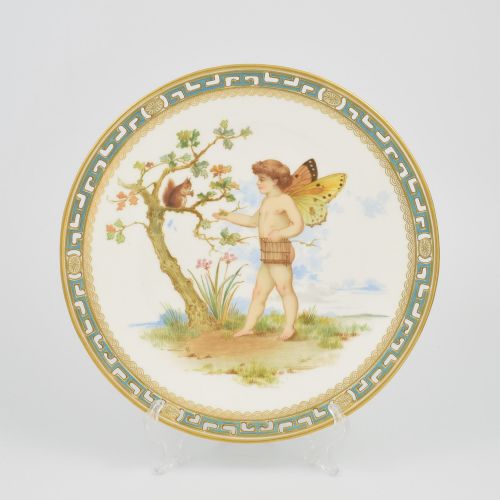
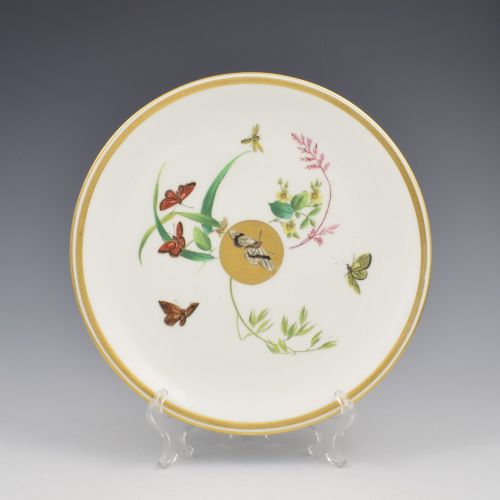
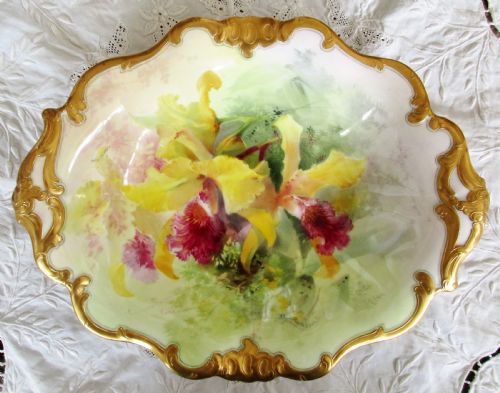
A gilt rimmed porcelain plate brings painted colour and metallic edge to a table or cabinet, drawing the eye with hand-painted detail.
Gilt Rimmed Porcelain Plate
When you search for a gilt rimmed porcelain plate, you find decorative and cabinet wares spanning the eighteenth, nineteenth, and twentieth centuries. The examples here range from early Georgian ironstone and French Sevres to Victorian Aesthetic pieces and mid-century Royal Worcester.
The forms vary from standard side plates and dessert dishes to large chargers, soup dishes, and reticulated cabinet plates. Most specimens on this page lean towards British factories, though continental European and Japanese porcelain appear regularly.
Makers such as Royal Worcester, Minton, and Coalport dominate the selection, often signed by notable artists who painted fruit, flowers, birds, and botanical studies.
How they were made
The foundation of these items is hard-paste porcelain, bone china, ceramic, or ironstone, shaped into plates, dishes, and chargers before undergoing high-temperature kiln firing.
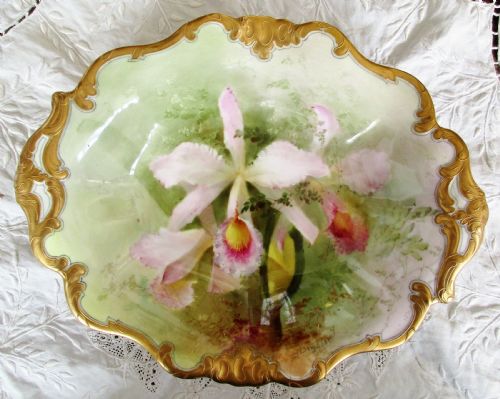
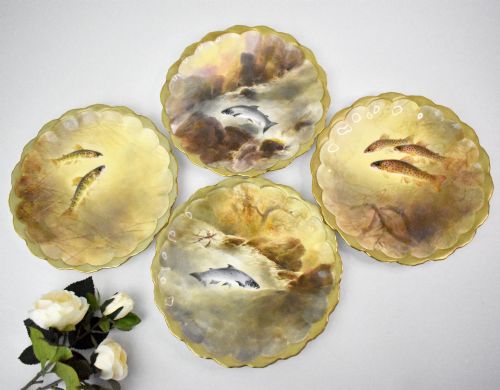
Makers applied enamel paints by hand to depict detailed subjects like orchids, fish, fruit, and classical scenes, often incorporating intricate piercing or reticulation into the ceramic body.
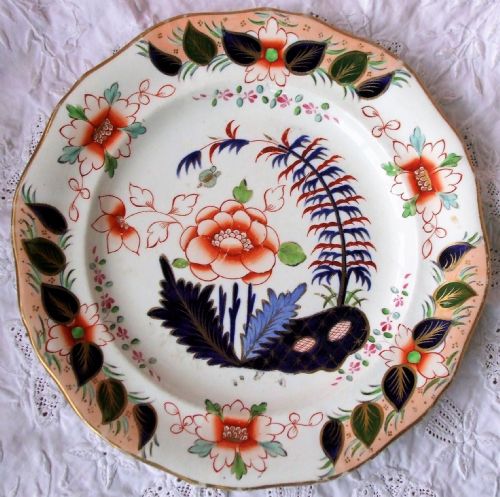
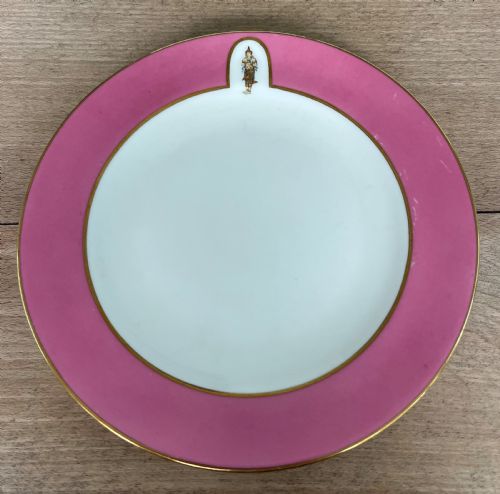
Guilders added gold leaf, gilt, and gilding to the rims and borders, sometimes combining this with raised enamel work or Japanese-style motifs.
Listings include bone china, porcelain, and ironstone across Victorian, Edwardian, and mid-twentieth-century periods.
What varies in quality
Quality rests significantly on the skill of the painter, distinguishing factory-stamped floral patterns from signed artistic works by named hands such as Albert Shuck, David Dewsberry, or Tom Keeling.
The precision and preservation of the gilding determine value, as heavier hand-applied gold leaf holds its lustre better than thin washes over plain ceramic.
The crispness of the porcelain moulding, particularly in pierced reticulated borders and heavy cabinet chargers, separates standard tableware from exhibition-grade pieces.
Royal Worcester·Minton·Royal Doulton·John Davenport of Longport·Cauldon Ltd·Meissen·Sevres·Grainger and Co·Coalport·Wedgwood
The Gilt Rimmed Porcelain Plate Glossary
- Cabinet plate
- A decorative ceramic dish intended for display in a cabinet rather than for daily dining use. These often feature elaborate painted scenes and gilded borders.
- Gilding
- The application of gold leaf or powdered gold to the rim or surface of a ceramic piece. This technique adds a metallic boundary that frames the painted design.
- Reticulation
- An openwork pattern pierced through the ceramic edge before firing. It creates a lace-like or geometric border around the plate.
- Ironstone
- A heavy, durable type of earthenware developed in the nineteenth century. It serves as a sturdy alternative to delicate porcelain while accepting similar enamels and gilding.
- Imari
- A decorative style inspired by Japanese export wares, featuring cobalt blue, iron red, and abundant gilt. British potteries frequently adopted this palette.
Gilt Rimmed Porcelain Plate: Frequently Asked Questions
Are these plates safe for dining?
Most of these items are historic cabinet pieces or delicate dessert dishes featuring hand-painted enamels and delicate gilding.
Using them for everyday meals risks wearing down the artistic details and metallic rims over time.
How do I identify the maker?
Turn the piece over to examine the base for factory backstamps, impressed marks, and painted ciphers.
Many nineteenth and twentieth-century British and European works include registration numbers or artist signatures near the foot ring.
What is the difference between porcelain and ironstone?
Porcelain is vitrified, highly refined, and often translucent when held to the light.
Ironstone is an opaque, dense earthenware designed for durability while accepting similar decorative enamel and gilt treatments.