
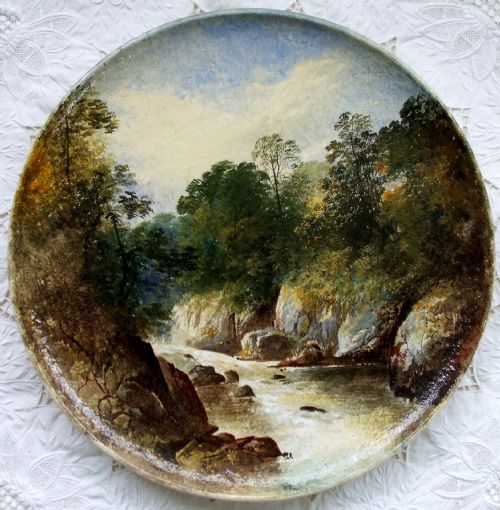


Green Ceramic Display Plate
A green ceramic display plate brings rich botanical colour and hand-painted artistry to a wall or cabinet.
Green Ceramic Display Plate
A green ceramic display plate encompasses everything from large Chinese export chargers and Meiji period Japanese porcelain to English Victorian cabinet dishes and Dutch Delftware. These items range across centuries, spanning Pre 16th century Longquan celadon dishes up to 1930s art pottery chargers.
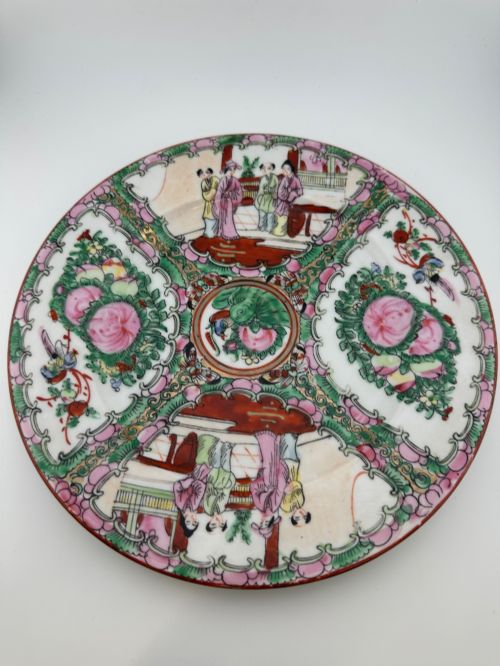
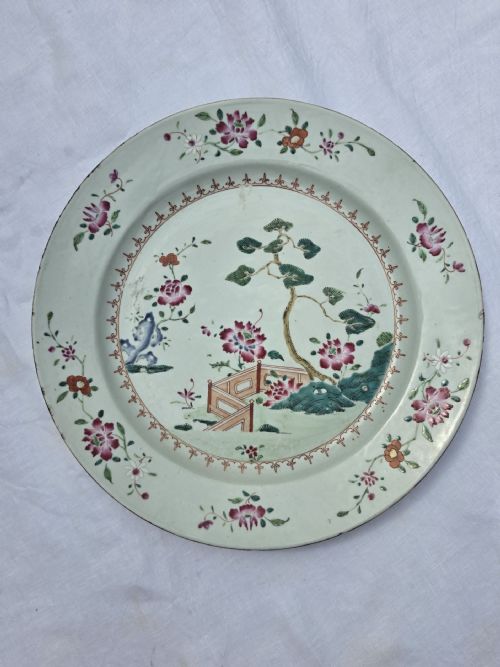
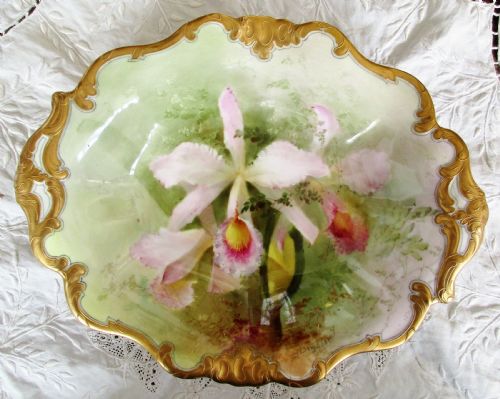
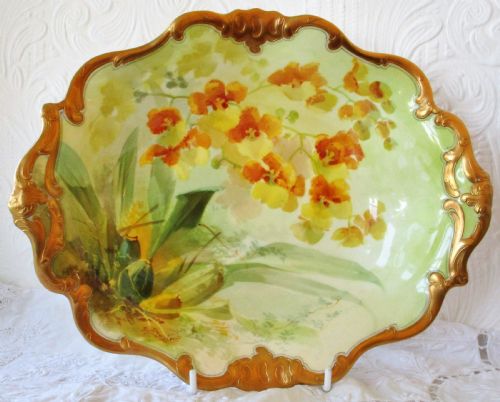
The versions most likely to appear on this page include hand-painted Chinese famille verte and rose plates, English porcelain cabinet dishes featuring botanical or landscape scenes, and majolica earthenware. Buyers select these pieces primarily for wall mounting or cabinet display rather than everyday dining use.
Materials and construction
The pieces rely upon diverse ceramic bodies including earthenware, faience, majolica, soft and hard-paste porcelain, and celadon, often finished with coloured glaze or overglaze enamel. Artisans frequently applied gold leaf, gilt, and hand-painted pigments to embellish the surfaces.
Moulding and throwing formed the base shapes before skilled decorators applied intricate botanical, figurative, or geometric motifs. Firing techniques varied widely, from traditional high-fired oriental kilns to European earthenware production.
Assessing quality
Quality rests upon the crispness of the hand-painted brushwork and the depth of the glaze, particularly in how cleanly pigments sit upon porcelain or earthenware bodies. Pieces featuring named artists or recognised factory marks command greater attention due to documented provenance.
The sophistication of the moulding, the complexity of the polychrome or famille enamel schemes, and the overall preservation of the surface finish distinguish standard decorative items from exceptional cabinet pieces.
Royal Doulton·Copeland Pottery·Flight Barr And Barr·Veuve Perrin·Bloor Derby·Rockingham
The Green Ceramic Display Plate Glossary
- Charger
- A large decorative plate, typically exceeding standard dinner plate diameters, designed for display on a wall or dresser.
- Cabinet plate
- A fine ceramic dish created primarily for ornamental display in a cabinet rather than functional dining use.
- Famille verte
- A Chinese porcelain palette dominated by green enamel overglaze colours, developed during the Qing dynasty.
- Majolica
- A type of colourful lead-glazed earthenware popular during the nineteenth century, known for vibrant hues and moulded relief designs.
Green Ceramic Display Plate: Frequently Asked Questions
How do I hang a display plate safely?
Display plates require specialised spring-loaded hangers or wall mounts designed to grip the rim without causing friction damage to the glaze or ceramic body.
Ensuring the wall fixing is secure prevents accidental slips, protecting both the plate and the surrounding surface.
Were these plates meant for food use?
Many cabinet plates and large chargers were created purely as ornamental objects or art pieces for display in dining rooms and drawing rooms.
Overglaze enamels and delicate gilding on historical ceramics mean these items suit visual appreciation rather than daily culinary service.
How can I tell Chinese export from European ceramics?
Chinese export wares display distinct paste characteristics, specific iron-foot rims, and traditional famille palette enamels typical of Qing dynasty kilns.
European factories like Worcester or Delft interpreted these oriental styles through their own local earthenware and porcelain bodies.
What does celadon mean?
Celadon refers to a family of transparent green glazes applied over a pale grey-green clay body, originating in ancient Asian kilns.
The subtle jade-like tones often feature carved or moulded floral scroll patterns beneath the glossy surface.