
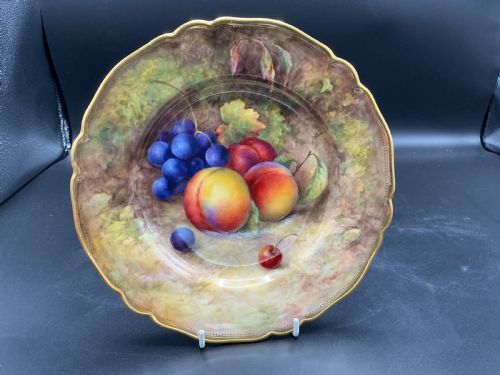
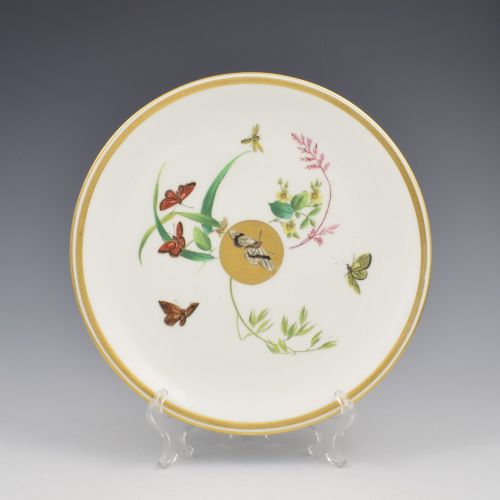
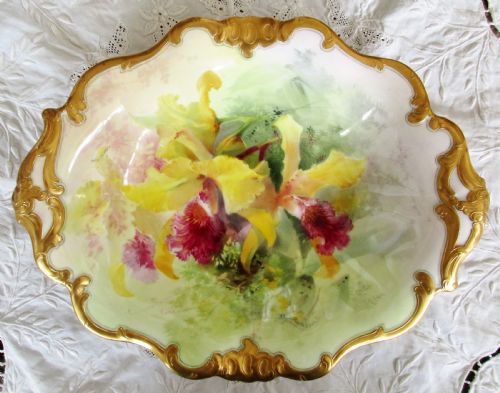
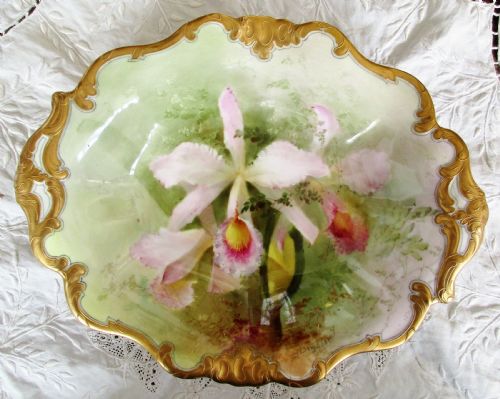
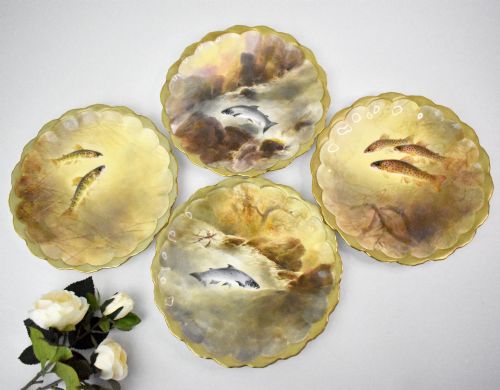


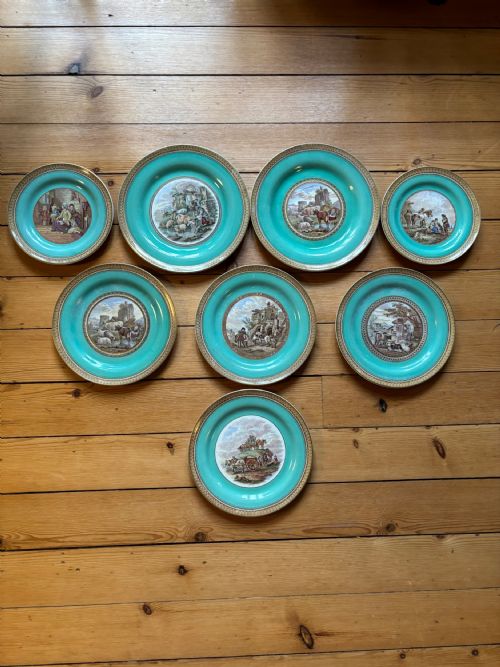


Gold Rimmed Ceramic Plate
These gold rimmed ceramic plate pieces bring hand-painted artistry and fine porcelain to the table, offering a refined touch of history for the discerning collector.
Gold Rimmed Ceramic Plate
A gold rimmed ceramic plate brings together traditional pottery forms and precious metallic accents, often appearing as cabinet plates, decorative dishes, or dessert service pieces. Buyers seeking this phrase encounter a rich variety of nineteenth-century and twentieth-century examples ranging from Victorian floral designs to Japanese Meiji period chargers.
The selections span distinct periods including the Victorian era, Edwardian years, and mid-twentieth-century production. Cabinet plates and wall chargers dominate the offerings, usually created for display rather than everyday dining.
Origins vary across prestigious English potteries and European porcelain houses, with styles drawing on neoclassical, rococo revival, and aesthetic movement traditions. Each piece reflects the decorative tastes of its specific decade, from intricate hand-painted fruit studies to bold Japanese-inspired motifs.
Materials and methods
Potters shaped fine bodies using porcelain, bone china, and earthenware, often moulding basketweave textures or shaped rims before firing. Skilled artisans then applied hand-painted enamels to depict botanical subjects, classical scenes, and landscapes.
Makers finished the edges and decorative highlights using gold leaf, gilt, and gilding techniques. These metallic additions required careful firing to bond the gold securely to the ceramic glaze.
Even Bacchus and Ariadne occasionally stop to admire the gilding on a nineteenth-century charger.
Assessing quality
The refinement of the painted detail separates simpler decorative items from the work of recognised artists and major factories. Pieces bearing hand-painted fruit, portraits, or botanical studies by named porcelain painters display superior artistic merit.
The preservation of the gilt or gold leaf rim indicates how carefully a piece has been handled and stored over the centuries. Crisp moulding of the ceramic body and clear factory marks also distinguish finer examples.
Royal Worcester·Minton Porcelain·Royal Doulton·John Ridgway·Coalport·Wedgwood·Bloor Derby·Royal Crown Derby
The Gold Rimmed Ceramic Plate Glossary
- Cabinet plate
- A decorative ceramic dish intended for display in a cabinet or on a wall rather than for practical table use. These often feature elaborate hand-painted subjects and gilded borders.
- Gilt
- A thin layer of gold applied to the ceramic surface to accent rims, handles, or painted motifs. It adds a reflective quality that enhances the overall design.
- Bone china
- A type of porcelain containing bone ash, known for its high strength, chip resistance, and translucent white body. It provides a smooth surface for detailed enamel painting.
- Charger
- A large decorative plate or dish used primarily as a base piece or hung on a wall. Nineteenth-century examples often showcase intricate pictorial scenes.
- Enamel
- Coloured glass paste fused to the ceramic body through firing to create vibrant, permanent imagery. Artists use enamel paints for detailed floral and figurative work.
Gold Rimmed Ceramic Plate: Frequently Asked Questions
Were these plates used for dining?
Many items classed as cabinet plates or decorative dishes were produced strictly for display in formal rooms. Their delicate painted scenes and gold leaf rims made them unsuitable for everyday meals.
Larger service pieces and dessert plates occasionally saw use during formal Victorian dining occasions, though surviving examples often show minimal wear due to careful preservation.
How do I clean a gilded plate?
Gilt and gold leaf decorations require gentle care to prevent the metallic finish from wearing away over time. Dusting with a soft, dry cloth is usually sufficient for pieces kept on display.
Submersion in water or the use of chemical cleaners should be avoided, particularly on antique enamel work where moisture can compromise the ceramic surface.
How can I tell the period?
Stylistic clues such as aesthetic movement asymmetry, Victorian rococo curves, or Edwardian elegance offer initial indications of a piece's age. Factory backstamps and painter signatures provide more precise chronological markers.
Comparing the paste, weight, and glaze characteristics of earthenware versus bone china also helps distinguish nineteenth-century pieces from later twentieth-century production.
Why are some plates signed?
Major factories employed skilled artists who specialised in botanical painting, portraits, or landscapes. Signing their work allowed factories to showcase the individual talent behind the decoration.
Plates featuring the signatures of noted ceramic painters often attract greater interest from collectors due to their documented artistic provenance.