





Decorative Porcelain Wall Plate
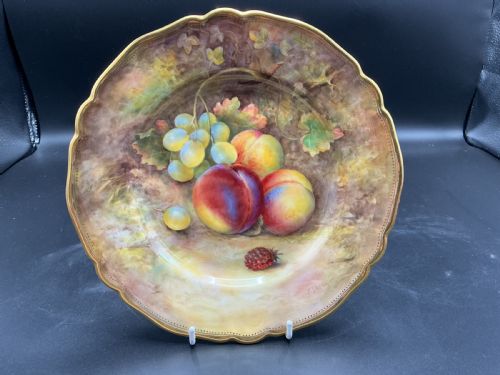
A decorative porcelain wall plate brings colour and pattern to a room, ranging from Japanese Imari chargers to hand-painted English fruit studies.
Decorative Porcelain Wall Plate
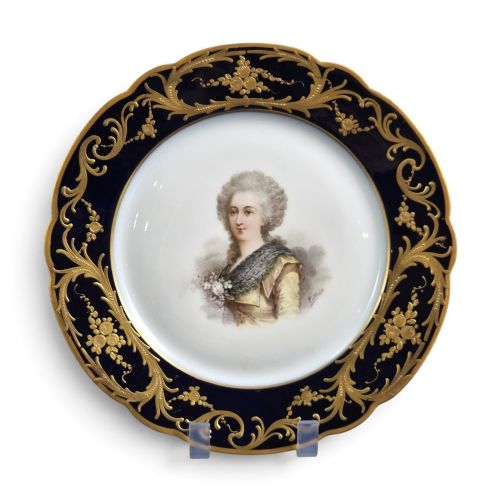
A decorative porcelain wall plate functions primarily as a display piece rather than tableware, spanning origins from English factories to Japanese kilns. The selection on this page relies heavily on Japanese Imari chargers and nineteenth-century cabinet plates.
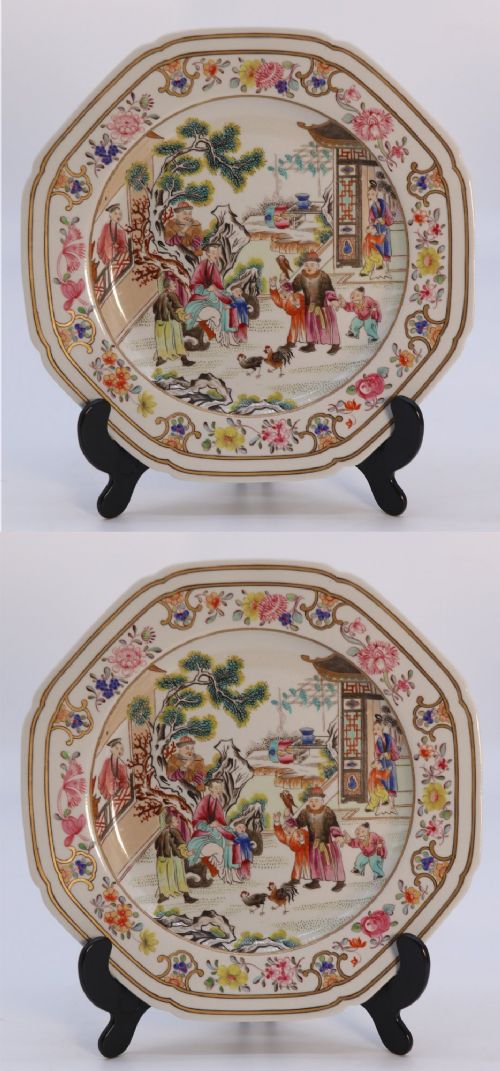
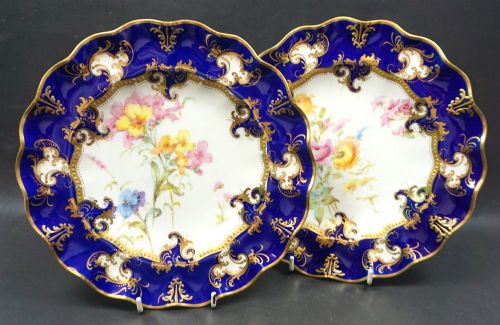
Forms include large chargers, dessert services, and square dishes, spanning periods from the eighteenth century through the 1970s. English works sit alongside French Paris porcelain and Japanese Satsuma.
Makers represented include Royal Worcester, Royal Crown Derby, and Spode, alongside continental workshops and traditional Japanese export houses.
How they were made
Potters shaped ceramic, bone china, earthenware, and porcelain before applying glaze and enamel decoration. Many pieces incorporate hand-painted details supplemented by gold leaf and gilt highlights.
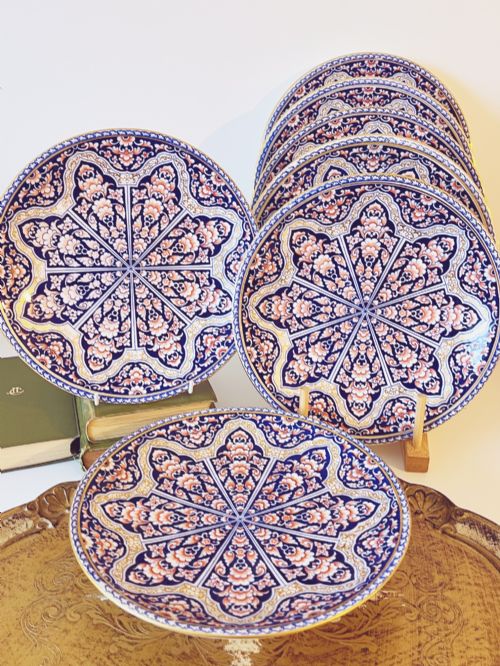
Transfer printing appeared alongside freehand brushwork, particularly in blue and white transfer wares from English earthenware manufacturers. Firing techniques evolved from eighteenth-century delftware methods to twentieth-century porcelain kilns.
Listings span porcelain, earthenware, and bone china, featuring periods from the eighteenth century to the 1970s alongside Japanese Meiji and Edo eras.
What varies in quality
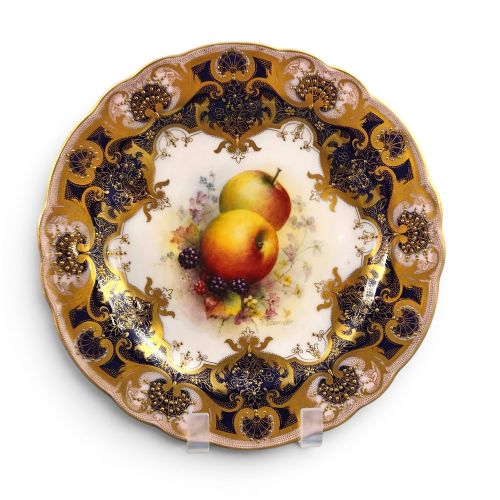
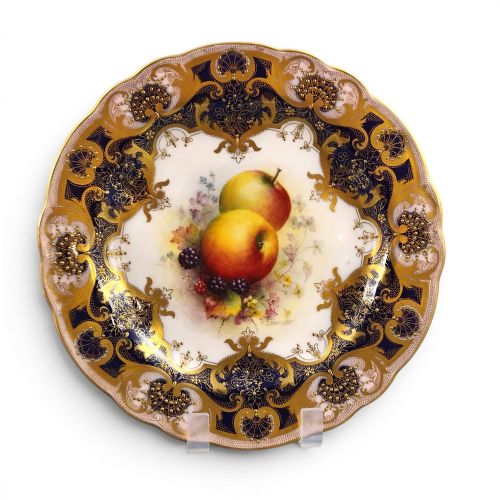
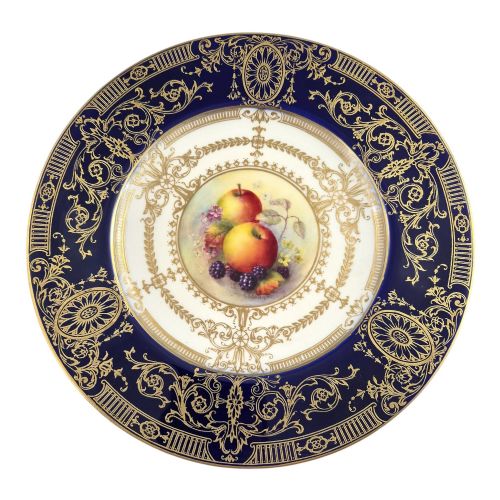
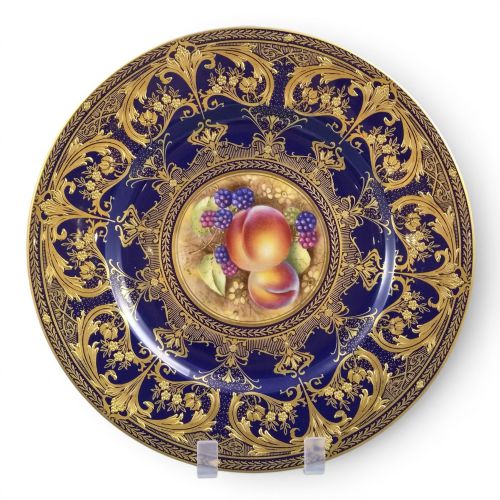
The standard of painting dictates the grade of a cabinet plate, separating factory-standard output from signed artist works by painters like Richard Sebright. Precision in gilding and the crispness of transfer printing also mark the tier of a piece.
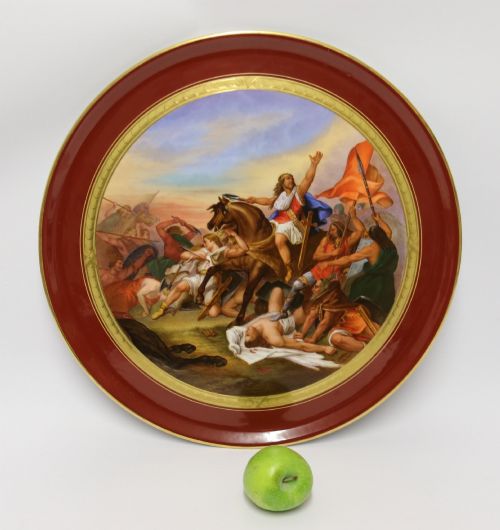
Complexity of form, such as scalloped edges, square shapes, or large charger diameters, influences the division between standard domestic items and high-end display chargers.
Koshida·Royal Crown Derby·Spode·Royal Worcester·John Davenport·Stubbs·Darte Brothers·Pucher Deroche·Coalport·Chamberlain
The Decorative Porcelain Wall Plate Glossary
- Charger
- A large decorative plate intended for wall hanging or side display rather than dining use. These items typically measure over thirty centimetres in diameter.
- Cabinet plate
- A fine ceramic piece made for display in a glass cabinet or on a wall rather than practical service. They frequently feature detailed hand-painted scenes or armorial crests.
- Imari
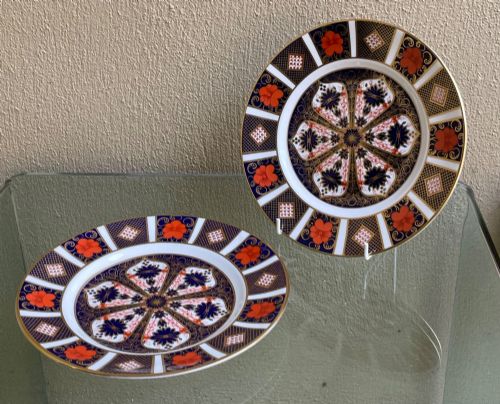
- A style of Japanese export porcelain characterised by underglaze blue and overglaze red, gold, and green colours. English factories frequently copied these patterns on ironstone and porcelain.
- Moriage
- A decorative Japanese ceramic technique using raised slip to create textured, tactile patterns on the surface of the glaze. This method appears frequently on Satsuma wares.
- Comport
- A raised dish or bowl used as the centrepiece of a dessert service. They often accompany sets of cabinet plates.
Decorative Porcelain Wall Plate: Frequently Asked Questions
How do I hang a wall plate safely?
Displaying a decorative porcelain wall plate safely requires a spring-loaded brass wire hanger that grips the rim without scratching the glaze.
Ensure the wall fixing secures firmly into masonry or a stud to support the weight of larger chargers.
What is the difference between a plate and a charger?
A standard plate measures under thirty centimetres and was originally intended for holding food or small cabinet displays. A charger is substantially larger, designed to sit as a focal point on a wall or sideboard.
In historical settings, chargers filled decorative roles rather than serving functions.
Can I use these plates for dining?
Decorative porcelain wall plates and cabinet plates generally feature delicate enamel, gold leaf, and gilt details that will wear away with food use. Historic glazes may also contain lead or other substances unsuited for modern consumption.
Displaying them on walls or in cabinets preserves their painted surfaces.
How do I identify Imari patterns?
Imari wares rely on a distinctive palette of cobalt blue under the glaze combined with iron red and gold over the glaze. Japanese originals feature distinct paste bodies and base marks, while English interpretations use bone china, ironstone, or porcelain.
Nineteenth-century British potteries frequently adopted these motifs on dessert services.