


Georgian Porcelain Dessert Dish
A georgian porcelain dessert dish brings botanical painting and armorial design to the table from the eighteenth and nineteenth centuries.
Georgian Porcelain Dessert Dish
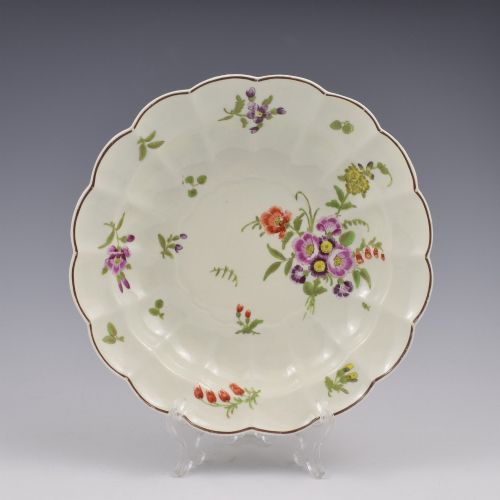
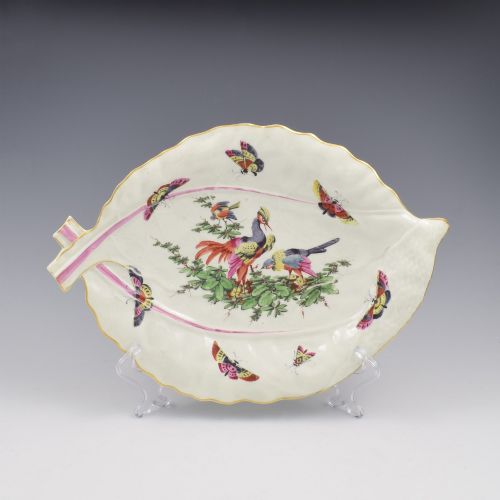
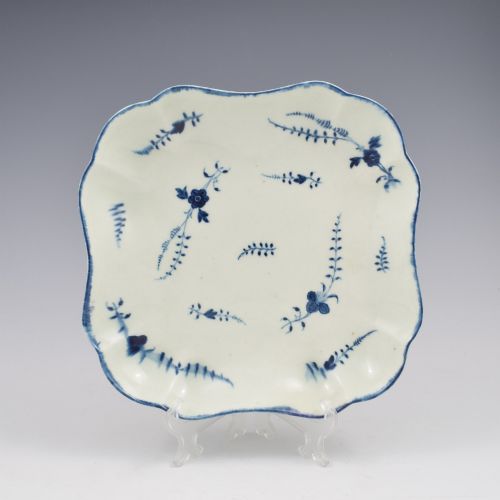
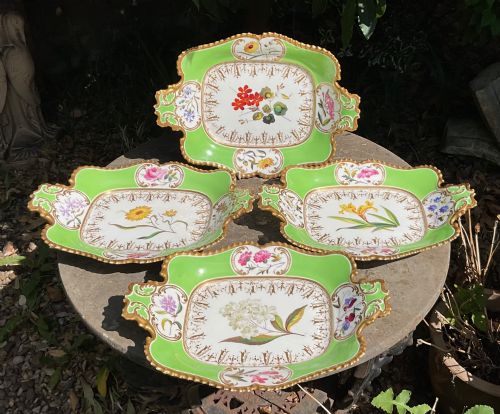
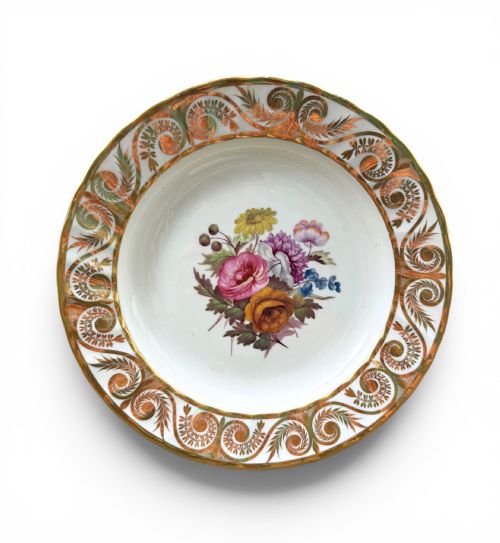
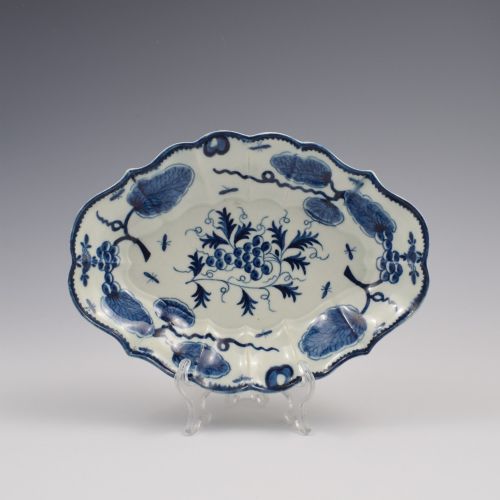
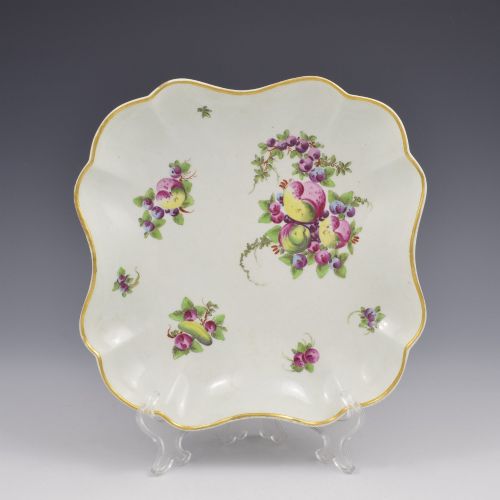
A georgian porcelain dessert dish forms part of a larger service intended for the final course of a formal meal. These pieces appear as plates, square dishes, lobed shapes, and leaf forms designed to present fruit or sweetmeats.
The items found here originate across the eighteenth and nineteenth centuries, including the Georgian and Regency periods. Makers from Worcester, Derby, and other factories produced these wares in soft-paste porcelain, ceramic, and ironstone.
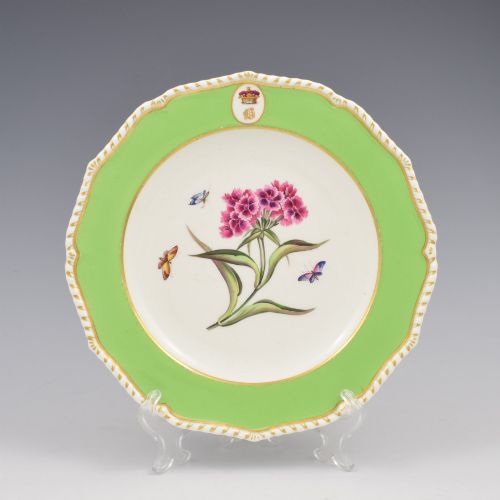
Collectors encounter specific factory hands and painted patterns, such as botanical studies, armorial crests, and Japanese-inspired Imari designs. Serving dishes and cabinet plates survive in forms that reflect the dining customs of the era.
How they were made
Potters shaped these objects using soft-paste porcelain and ceramic bodies before applying detailed enamel paints and gilding with gold leaf. Hand-painted botanical subjects and topographical scenes required precise brushwork by specialist decorators.
Moulded relief work and pierced details appeared on shell shapes and leaf dishes, often enhanced with cobalt blue, iron red, and gilt highlights. Firing took place in kilns that set the glazes and fixed the enamel colours to the ceramic surface.
Certain botanical plates feature caterpillars painted alongside blooming flowers to show nature in all its realism.
What varies in quality
The skill of the painting distinguishes standard production wares from pieces decorated by named artists or specialised workshops. Crispness in moulded leaf veins and the preservation of the original gold leaf indicate superior craftsmanship.
Complexity in pattern design, such as armorial crests or intricate floral arrangements by painters like Moses Webster or Thomas Steele, elevates the standing of a dish within a service.
Chamberlains Worcester·Derby·Bloor Derby·Flight Barr and Barr·Coalport·Minton·James Giles·Ridgway·Masons Patent Ironstone China
The Georgian Porcelain Dessert Dish Glossary
- Soft-paste porcelain
- An artificial ceramic composition fired at lower temperatures than hard-paste porcelain, producing a warm glaze texture. This material characterises many eighteenth-century English factory pieces.
- Armorial
- Bearing heraldic coats of arms or family crests. Dessert services often displayed these symbols to signify the status of the original owner.
- Imari
- A decorative style inspired by Japanese export wares, featuring cobalt blue, iron red, and gilt. Regency makers adapted these patterns for various table services.
- Sweetmeat
- A confection such as candied fruit or nuts served during the dessert course. Specialised stands and dishes held these luxury items on the dining table.
- Enamel
- Opaque glass fused to pottery surfaces through firing to create painted details. These colours provide the vibrant hues found on botanical plates.
Georgian Porcelain Dessert Dish: Frequently Asked Questions
What were dessert dishes used for?
These pieces served fruit, sweetmeats, and confectioneries during the final course of a formal meal. Wealthy households displayed them as part of matching ceramic services.
Guests selected items from these dishes while the table was cleared and reset for wine and conversation.
How do I date a Regency piece?
Regency items often feature bolder colours, gilt highlights, and classical or Imari patterns influenced by the early nineteenth-century taste. Factory marks on the underside help narrow the production window.
Shape names and potting styles also correspond to records from factories active during the Regency era.
Can I use these dishes today?
Antique porcelain requires gentle hand washing and protection from sudden temperature changes to preserve the glaze and gilding. Most owners prefer to display them on walls or in cabinets.
Using them for dining carries risks due to the age of the ceramic body and the fragility of the enamel paints.
What is First Period Worcester?
This term refers to porcelain produced at the Worcester factory under the management of Dr John Wall from the mid to late eighteenth century. The body and painting styles from this time are distinct from later nineteenth-century wares.
Collectors prize these pieces for their delicate potting and fine underglaze blue or polychrome decoration.