


19th Century Imari China
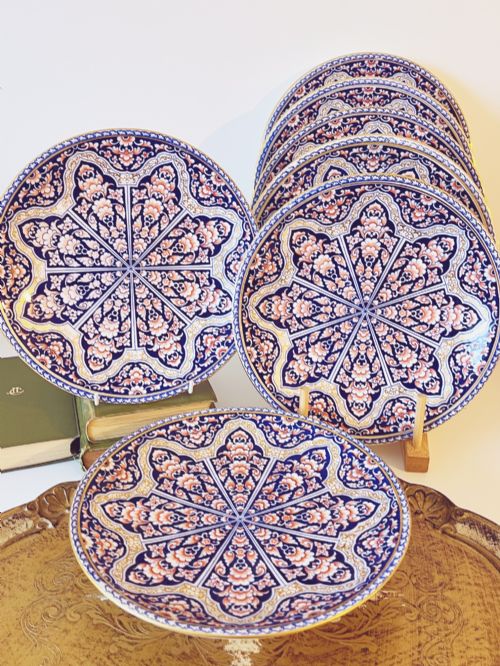
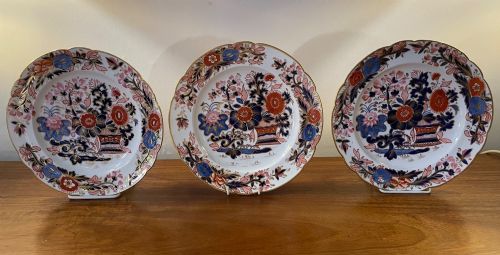
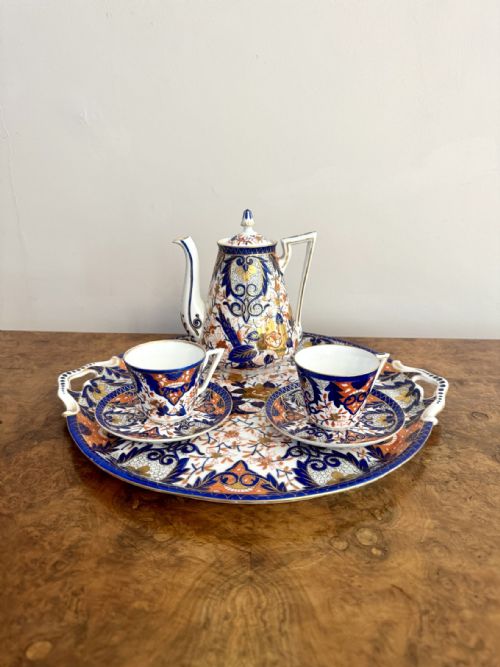
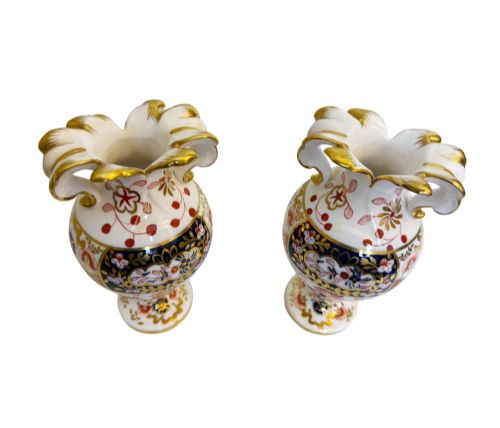
These 19th century imari china pieces bring bold cobalt blue, rich iron-red enamel and heavy gilding to British ceramic forms.
19th Century Imari China
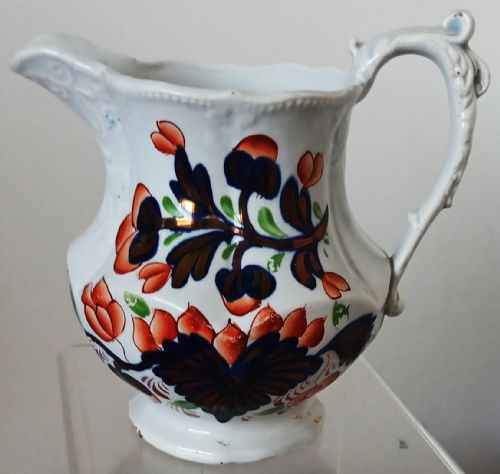
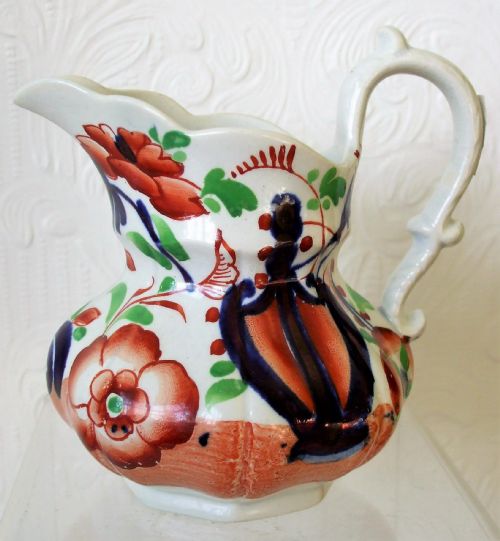
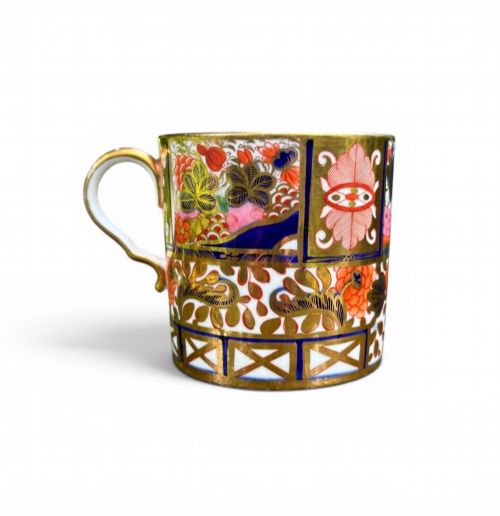
When buyers search for 19th century imari china, they encounter table services, decorative plates, and vases decorated in the distinct Japanese-inspired palette. British potteries adopted this aesthetic early in the period, producing earthenware, porcelain, bone china, and ironstone decorated with underglaze blue and overglaze iron-red and gold.
The objects appearing most frequently on this page include dinner and dessert plates, coffee cans, teacups, and tureens. These items span Georgian, Regency, and Victorian periods, reflecting shifting British interpretations of traditional Japanese patterns.
Many examples stem from prominent English factories that adapted Eastern motifs into robust ironstone bodies or delicate bone china vessels. The selection bridges formal tableware and decorative mantel pieces, showing diverse applications of the familiar palette.
How They Were Made
Potters built these vessels using dense ironstone, refined porcelain, or bone china, shaping them into plates, jugs, and tureens. Workshops then applied cobalt blue pigment under the glaze before firing the ceramic at high temperatures.
Makers added overglaze enamels in iron-red and applied gold leaf details in subsequent lower-temperature firings. This multi-stage process secured the distinct metallic sheen and vibrant contrast characteristic of the style.
Certain nineteenth-century plates depict fierce dragons sharing ceramic space with domestic farmyard fences.
What Varies in Quality
Quality rests upon the precision of the hand-painted brushwork and the crispness of the underglaze blue transfer or hand-drawn outlines. Superior pieces display finely registered enamel colours that stay neatly within their gilded borders.
The weight, throwing consistency, and glaze finish of the underlying ceramic body also define the standard. Well-preserved gilding without excessive rubbing distinguishes finer tea sets and decorative vases from heavily worn examples.
Royal Crown Derby·Spode·Masons Ironstone·Chamberlain Worcester·Minton·Davenport·Ridgways China
The 19th Century Imari China Glossary
- Ironstone
- A heavy, durable type of earthenware patented in the nineteenth century to rival true porcelain. It provided a sturdy canvas for colourful imari decoration on plates and tureens.
- Imari palette
- A distinctive colour scheme featuring cobalt blue, iron-red, and supplementary gold leaf. British factories borrowed this combination from Japanese export ceramics.
- Gilding
- The application of gold leaf or gold paint to ceramic surfaces. It highlights rims, handles, and pattern details across teacups and vases.
- Enamel
- A glass-like substance melted onto the fired ceramic surface in secondary kilns. It provides the vibrant reds and greens seen in traditional motifs.
- Tureen
- A deep covered serving bowl used for soups or sauces. Nineteenth-century examples often featured matching ladles and decorative handles.
19th Century Imari China: Frequently Asked Questions
Can I use these teacups daily?
Daily use is discouraged because nineteenth-century overglaze enamels and gold leaf wear down over time. Frequent washing causes the bright red and metallic details to fade.
Displaying your teacups in a cabinet or using them only on special occasions preserves the painted decoration. Handle handles and rims carefully to prevent chipping the historic ceramic body.
How do I identify a Spode imari piece?
Look for painted or impressed factory marks on the underside of the base. Spode frequently recorded pattern numbers alongside the maker's signature.
The specific combination of blue underglaze with iron-red and gold, combined with characteristic pearl borders or dragon motifs, points toward their early nineteenth-century production.
What is ironstone china?
Ironstone is a dense, vitrified earthenware developed in nineteenth-century Britain to offer the durability of stone china. It resisted chipping better than standard porcelain while supporting heavy enamel decoration.
Makers utilised this robust material for soup bowls, jugs, and large serving tureens intended for regular dining rooms.