







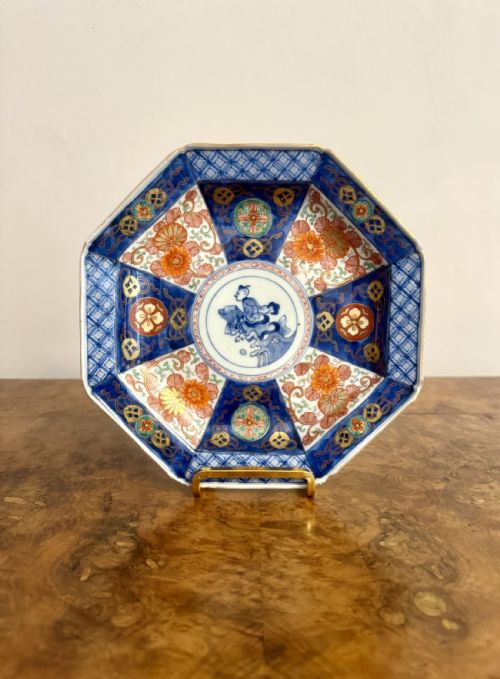
Iron Red Porcelain Plate
These iron red porcelain plate selections offer striking iron red porcelain plate designs, bringing distinct historical character and traditional craftsmanship directly to your table.
What these plates are
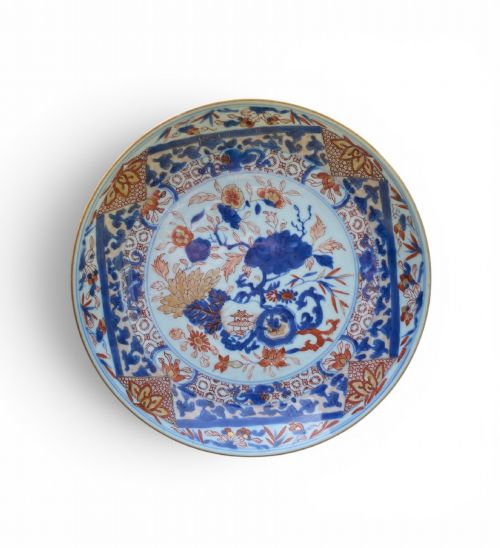
When you search for an iron red porcelain plate, you encounter distinctive ceramics spanning the eighteenth and nineteenth centuries alongside the year nineteen hundred. These pieces encompass decorative plates and dishes originating from Japanese Imari and Georgian traditions.
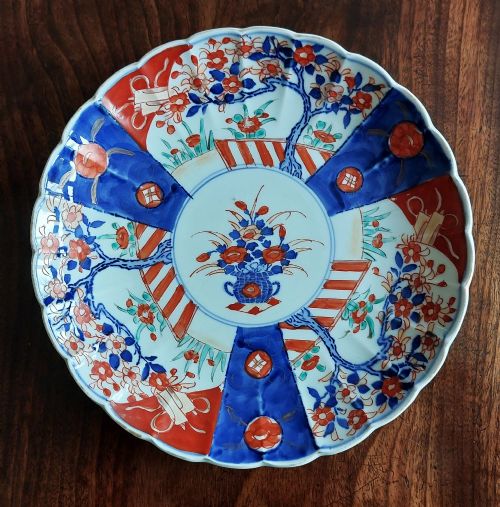
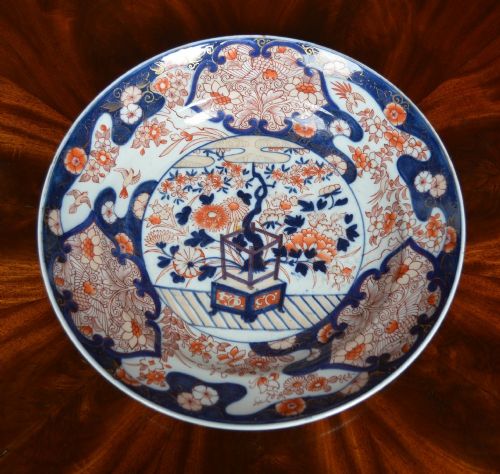
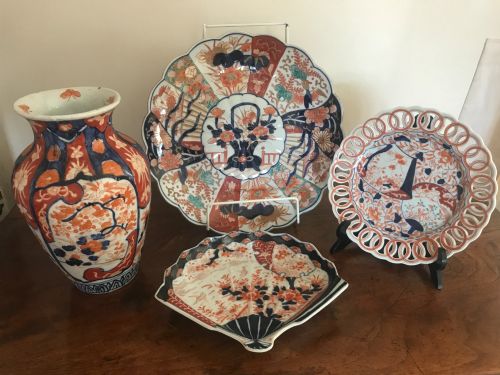
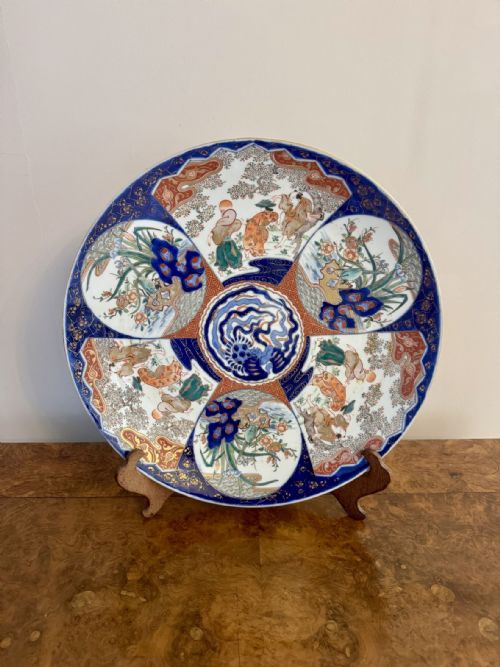
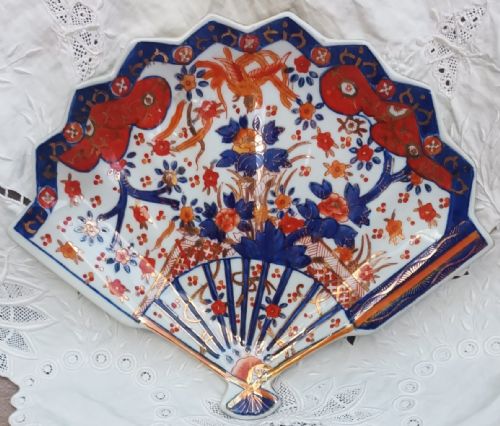
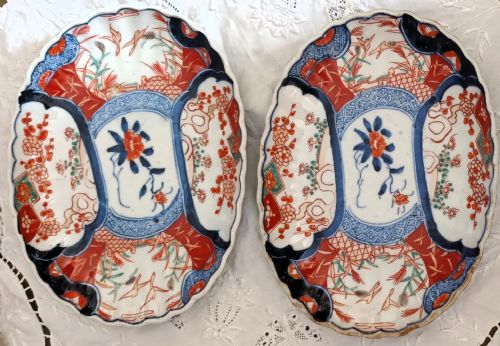
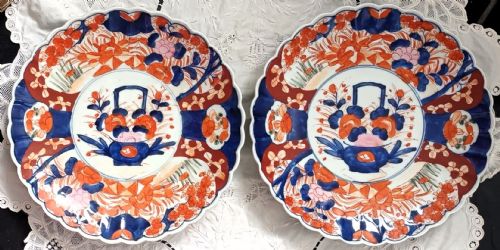
The selections on this page most frequently present Japanese Imari designs from the year nineteen hundred, often featuring scalloped or hexagonal edges. Alongside these, you find eighteenth century soft-paste porcelain from Bow decorated in the Kakiemon style with two quail patterns, as well as nineteenth century desert plates.
How they were made
These items utilise porcelain and soft-paste porcelain as their primary body, shaped into decorative plates and dishes. Artisans applied coloured enamel and glaze to the ceramic surfaces to create lasting patterns.
Finishing touches include gold leaf and gilding applied across various pieces. Techniques span traditional Japanese Imari methods and Georgian styling, incorporating detailed motifs like the two quail pattern.
Retail Price Guide 2026
Typical UK retail prices for iron red porcelain plate, calculated from the Sellingantiques database of over a million retail prices indexed since 2003. This retail price guide relies exclusively on Sellingantiques data; no external sources or auction records are used, so the figures do not describe the wider market.
Listings feature porcelain, soft-paste porcelain, enamel, glaze, gold leaf, and gilding across the eighteenth century, nineteenth century, and the year nineteen hundred.
Distinguishing quality
Quality differences emerge in the execution of form and painted detail, moving from standard decorative wares up to exceptional examples. Pieces noted for unusual quality exhibit superior precision in their painted motifs and structural shaping.
The distinction between standard production and top-tier items rests upon the refinement of the glaze, the vibrancy of the enamel work, and the careful application of gilding or gold leaf.
The Iron Red Porcelain Plate Glossary
- Porcelain
- A white vitrified ceramic material fired at high temperatures. It forms the essential body for all plates listed here.
- Imari Style
- A decorative ceramic tradition originating in Japan. It typically incorporates iron red, blue, and gold colouring.
- Soft-paste Porcelain
- An artificial porcelain composition fired at lower temperatures than hard-paste. It appears in eighteenth century English production.
- Gilding
- The application of gold leaf or gold powder onto the surface of ceramic wares. It enhances decorative richness.
- Kakiemon Style
- A Japanese ceramic aesthetic characterised by asymmetric arrangements and restrained enamels. This includes motifs such as quail patterns.
Frequently Asked Questions
What is an iron red porcelain plate?
It is a ceramic dish featuring distinct red iron-based enamel decoration applied over or under the glaze. These objects serve primarily as decorative items or dessert plates.
Examples span various periods including the eighteenth century, the nineteenth century, and the year nineteen hundred. They encompass both Japanese Imari traditions and Georgian English manufacture.
How were these plates used historically?
Plates of this type functioned both as functional tableware for serving food, particularly desserts, and as display pieces in homes. Their striking enamel colours made them suitable for interior decoration.
Wealthy households displayed decorative plates on walls or cabinets to showcase fine ceramics. Over time, many transitioned purely into decorative collection pieces.
How do I identify eighteenth century pieces?
Eighteenth century examples, such as those from Bow, often utilise soft-paste porcelain bodies rather than hard-paste ceramic. They frequently display specific historical motifs like the Kakiemon two quail pattern.
Examining the paste under magnification and checking stylistic markers helps distinguish these earlier English ceramics from later nineteenth century or nineteen hundred productions.
What distinguishes Japanese Imari plates?
Japanese Imari pieces from the year nineteen hundred often feature characteristic geometric or floral borders combined with iron red and blue enamels. Form variations include scalloped edges and hexagonal shapes.
These stylistic traits separate Japanese export ceramics from contemporary European alternatives like Georgian desert plates.