

Antique Ceramic Serving Dish
These antique ceramic serving dish examples bring centuries of table traditions home, offering practical utility and hand-painted artistry for daily use.

Antique Ceramic Serving Dish
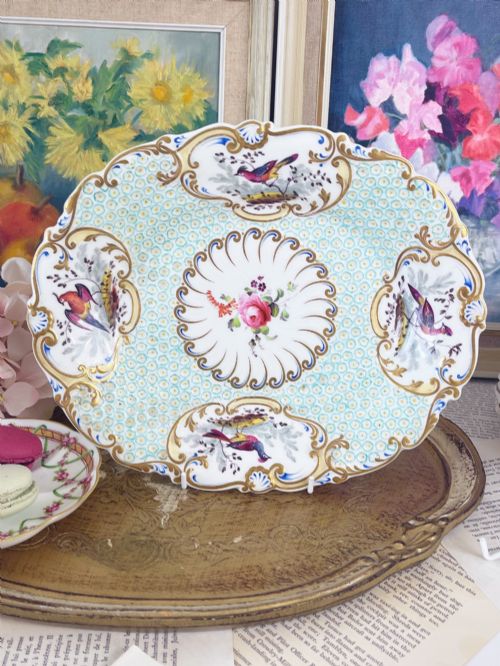
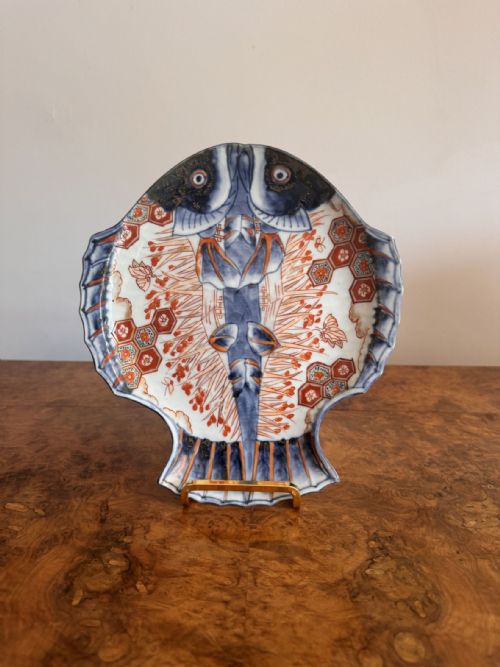
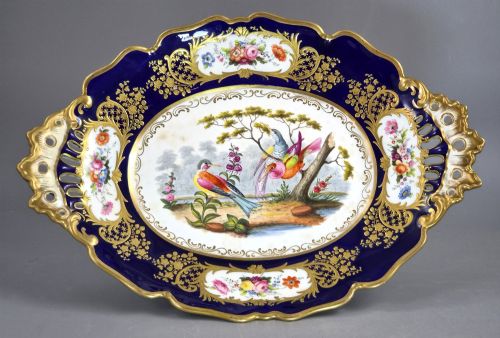
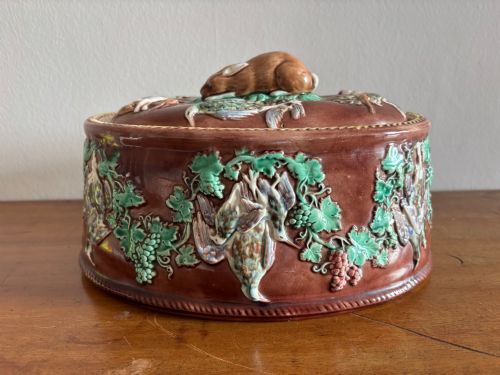
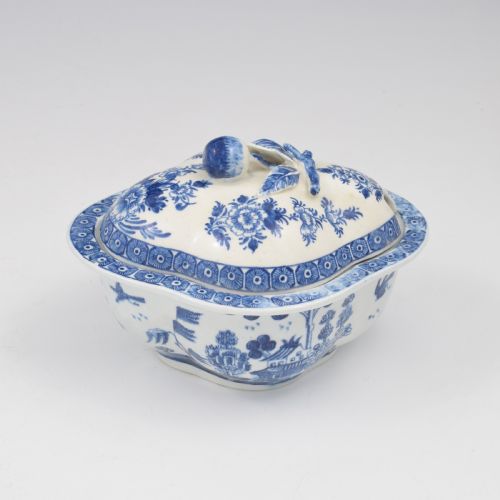
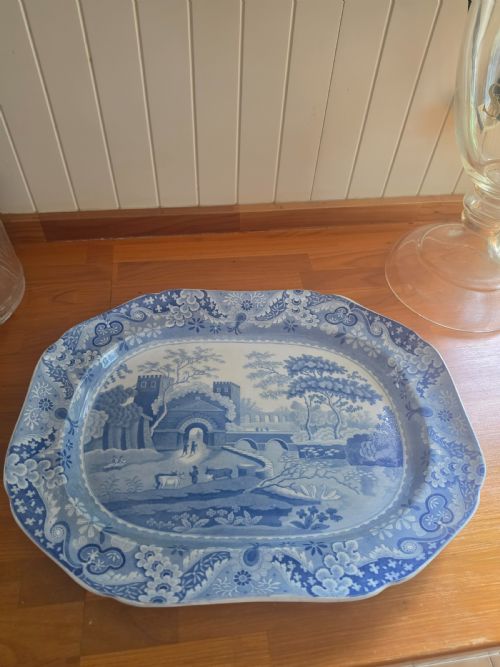
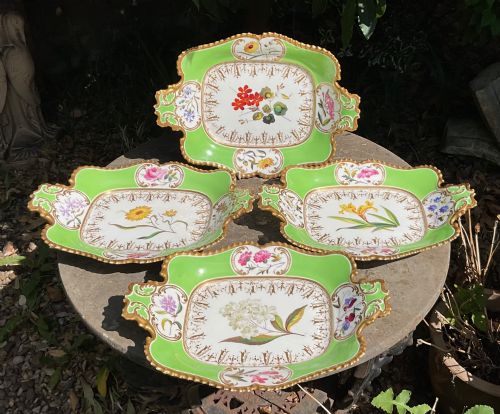
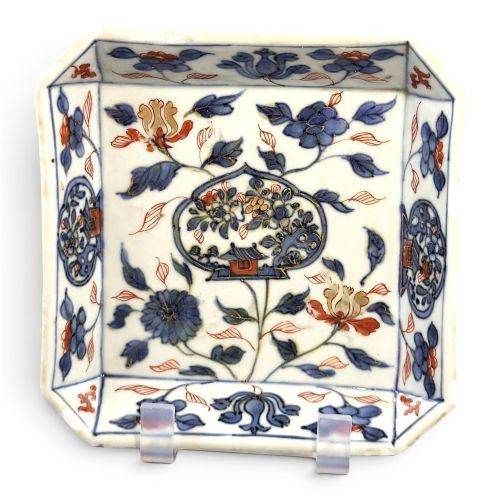
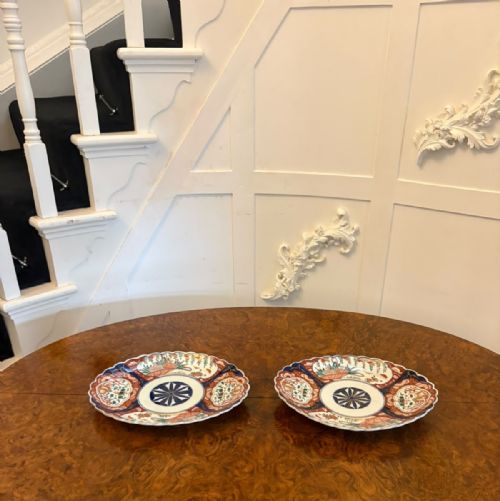
An antique ceramic serving dish encompasses utilitarian platters, chargers, tureens, and bowls made across the eighteenth and nineteenth centuries in British, European, and Asian workshops. You will frequently encounter blue and white transferware platters alongside porcelain dessert dishes and earthenware tureens from the Georgian and Victorian eras.
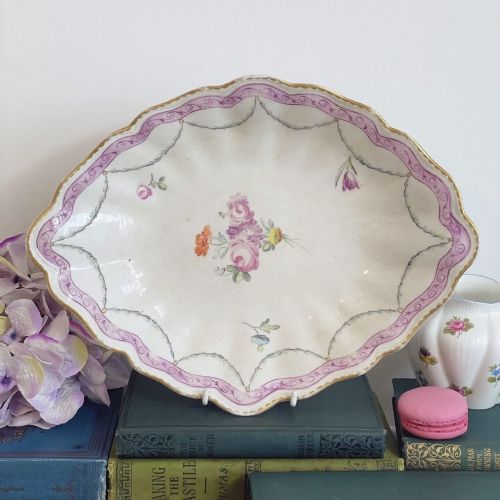
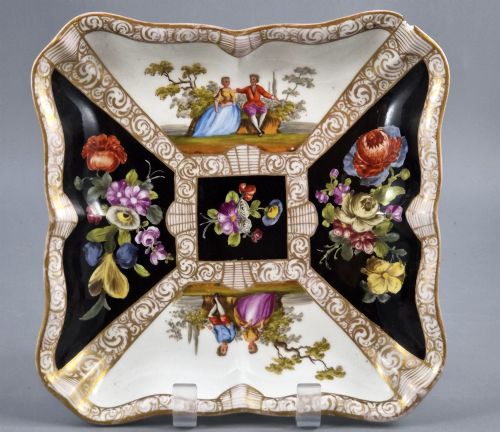
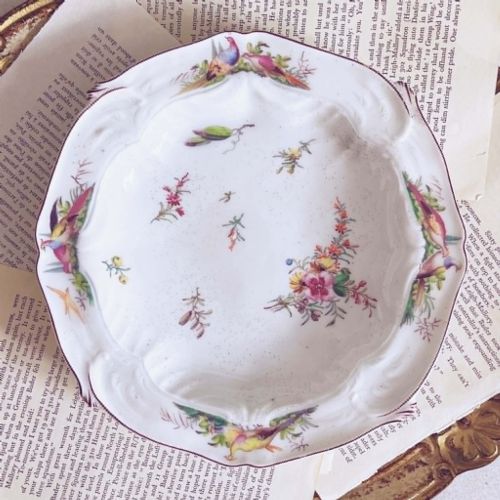
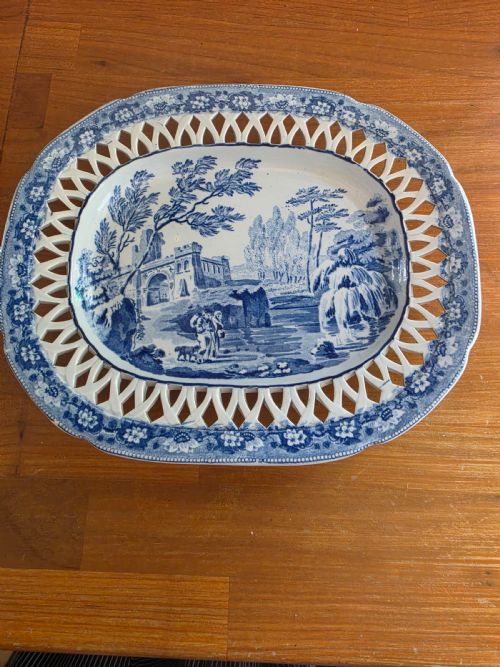
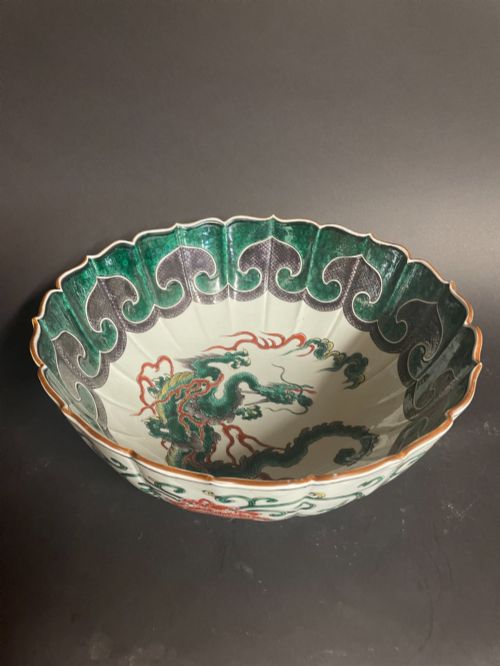
The selections span oval meat plates, square vegetable dishes, and scalloped bowls intended for formal dining tables and sideboard displays. Makers deployed varied techniques, from tin glazing on early chargers to transfer-printed scenic patterns and intricate hand-painted polychrome florals.
How they were made
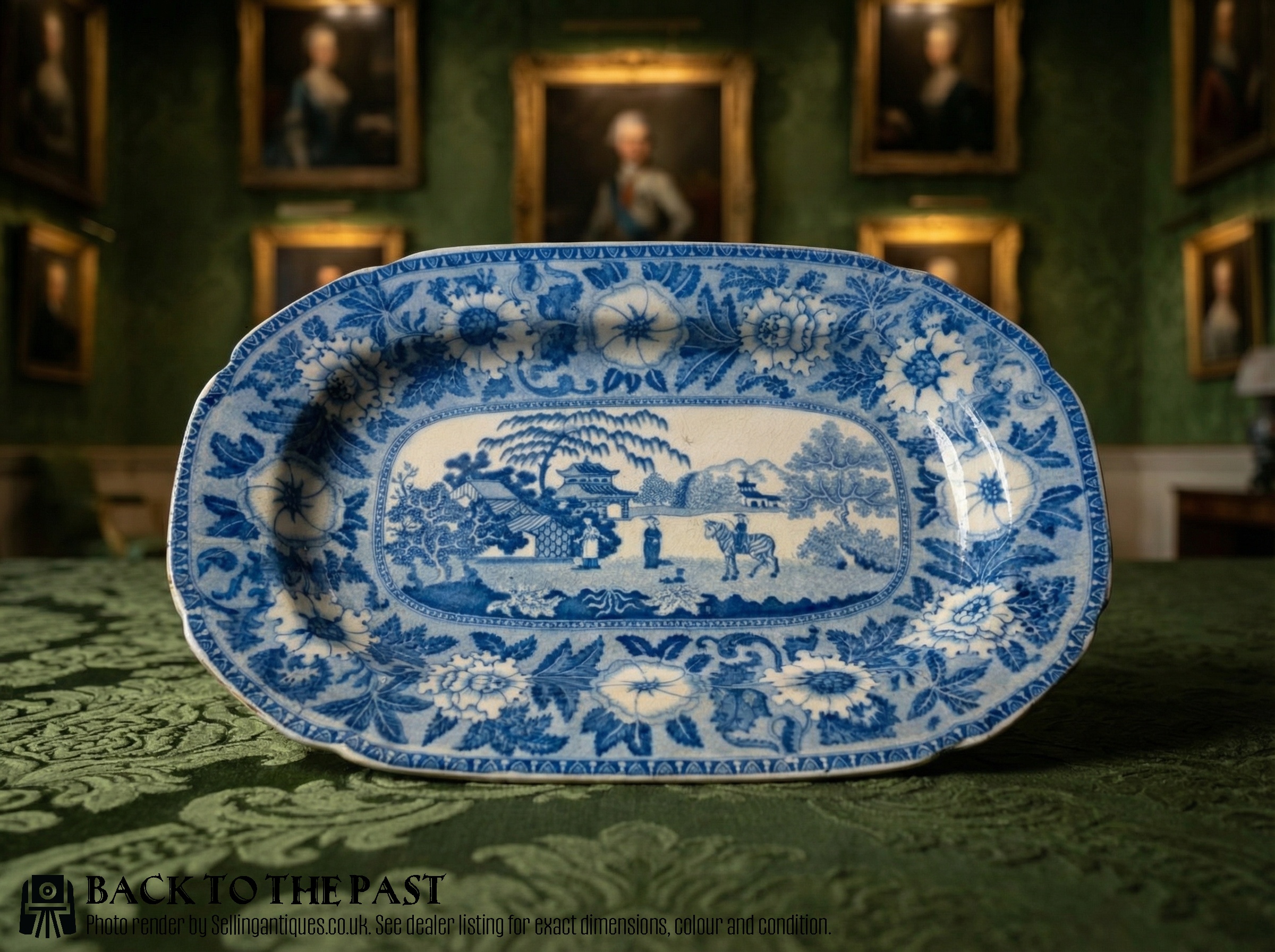
Potters shaped bodies from soft-paste porcelain, ironstone, creamware, and earthenware before applying opaque or transparent glazes by hand. Artisans utilised cobalt blue underglaze printing, enamel painting, and selective gilding to build up intricate botanical, avian, and architectural motifs.
Firing took place in traditional kilns where pieces required precise temperature control to vitrify the ceramic body and set the painted details. Transfer printing allowed workshops to apply complex copperplate engravings onto flat and hollow wares with remarkable consistency.
Antique Ceramic Serving Dish Retail Price Guide 2026
Typical asking prices for ceramic serving dish among the pieces listed under this phrase on Sellingantiques today, from the lower quarter to the upper quarter. They describe what is for sale here now, not the wider market.
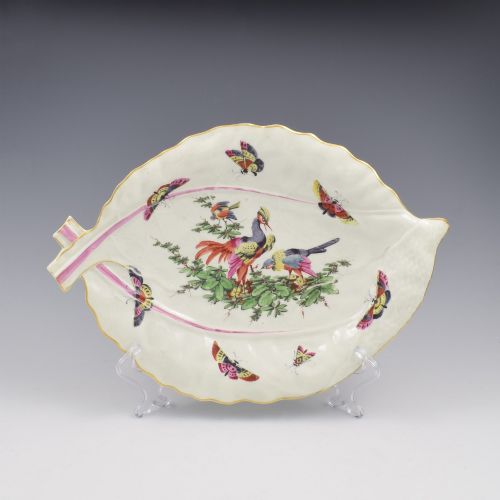
Listings feature eighteenth-century creamware chargers alongside nineteenth-century transferware platters decorated with classical ruins and exotic birds.
What varies in quality
The calibre of a piece rests in the crispness of the transfer print, the delicacy of the brushwork, and the purity of the ceramic body. Early examples exhibit the subtle warping and surface imperfections characteristic of primitive kiln stacking, which collectors weigh against the refined precision of later Victorian ironstone.
Artistry separates standard utility ware from exhibition pieces, evident in the hand-mixed polychrome enamels of Derby or Worcester factories compared to commercial transfer printing. Form execution also dictates worth, seen in moulded scrollwork, pierced rims, and relief-moulded animal or botanical shapes.
H & R Daniel·Dr Wall Worcester·Derby Porcelain·Coalport·Meissen Porcelain·Chelsea·Wedgwood·Spode·Davenport·Chamberlains Worcester·Hicks & Meigh·John Rogers & Son·James Wallace & Co·Royal Doulton·David Dewsberry·J. & R. Riley·Quimper French Faience·Mason's Ironstone·J. & R. Clews
The Antique Ceramic Serving Dish Glossary
- Transferware
- Pottery decorated by applying a printed design from an engraved copper plate onto the ceramic surface using a tissue paper intermediary. This technique defined nineteenth-century mass production of scenic tablewares.
- Creamware
- A refined fine earthenware developed in Yorkshire featuring a warm, pale yellow lead glaze over a cream-coloured body. Wedgwood dominated its production during the late eighteenth century.
- Tin Glazed
- Earthenware coated in an opaque white glaze containing tin oxide, providing a smooth canvas for hand-painted polychrome decoration. Tin-glazed earthenware was widely produced before creamware gained dominance.
- Ironstone
- A heavy, durable type of feldspathic stoneware patented in the early nineteenth century to withstand hard domestic use. It combined the strength of stone china with the smooth finish of porcelain.
- Charger
- A large decorative or serving plate utilised primarily for display or at the base of table settings during formal banquets. These items frequently feature prominent painted or printed scenes.
- Tureen
- A deep covered vessel designed for serving soups, sauces, or vegetables at the table. They often rest on fitted stands and incorporate sculptural handles or finials.
Antique Ceramic Serving Dish: Frequently Asked Questions
How do I care for antique ceramic dishes?
Wash these pieces strictly by hand using mild detergent and warm water, avoiding abrasive sponges or modern dishwashers that degrade fragile enamels and gold leaf.
Store them securely on felt-safe plate stands or stack them with padded dividers to protect vulnerable rims from chipping.
Can I use these dishes for serving food?
Many of these vessels remain entirely functional for serving dry foods, fruits, or baked goods at modern dinner tables.
Exercise caution with pieces showing hairline cracks or historic lead-glazed earthenware, keeping those reserved purely for display.
How do I distinguish creamware from pearlware?
Creamware displays a distinct warm, buttery yellow tint in the transparent glaze, particularly visible where the liquid pools around foot rims and handles.
Pearlware incorporates a small amount of cobalt into the glaze to produce a bluish tint in the recesses, appearing noticeably whiter overall.
What is the difference between porcelain and ironstone?
Porcelain is a vitrified, translucent ceramic body that rings when struck and allows light to pass through thin sections.
Ironstone is an opaque, dense stoneware engineered for maximum durability during heavy domestic service without translucency.