





Underglaze Blue Platter
An underglaze blue platter brings direct, enduring character to a table, offering deep cobalt decoration set beneath a clear ceramic glaze.
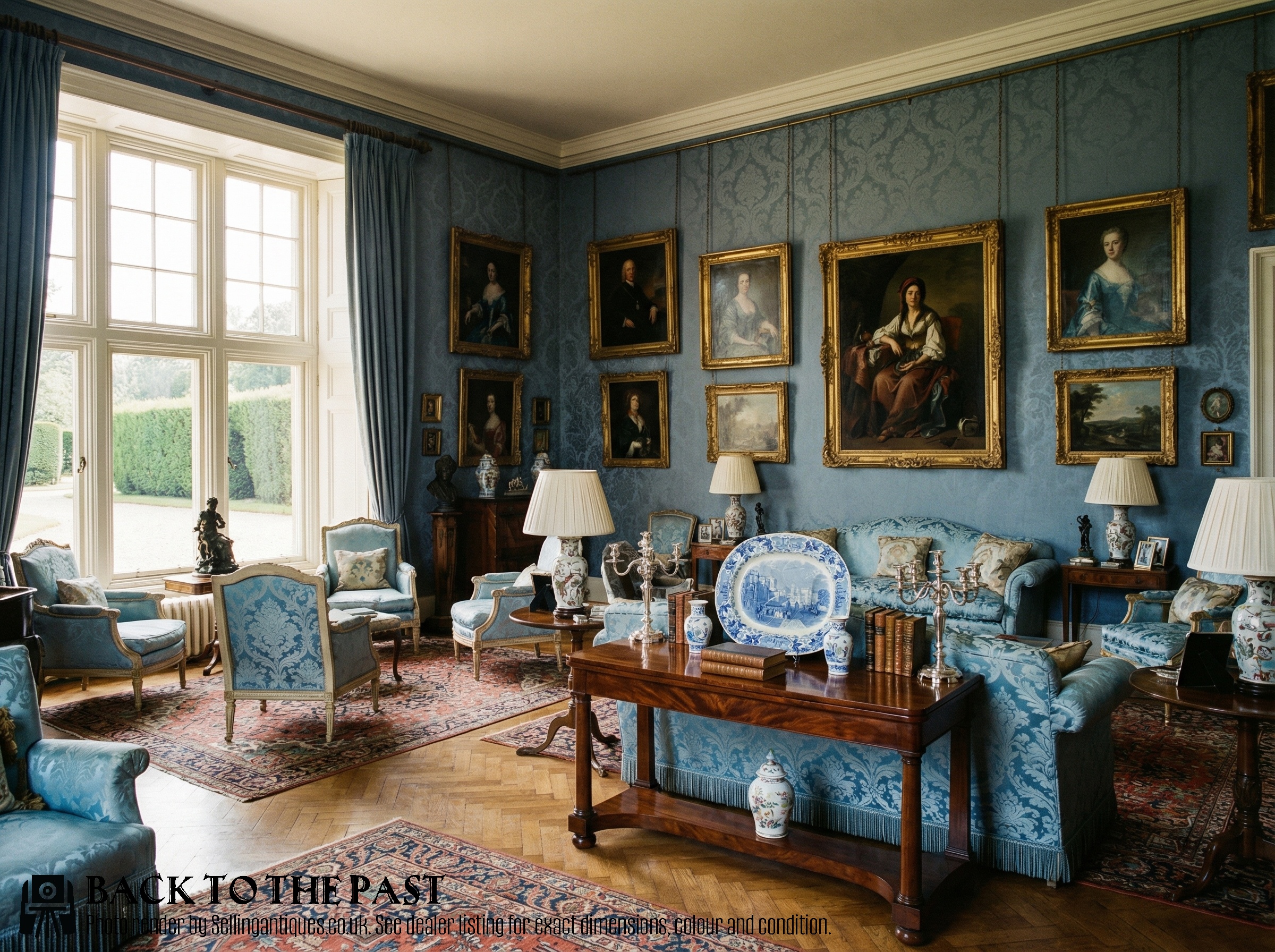
What these pieces are
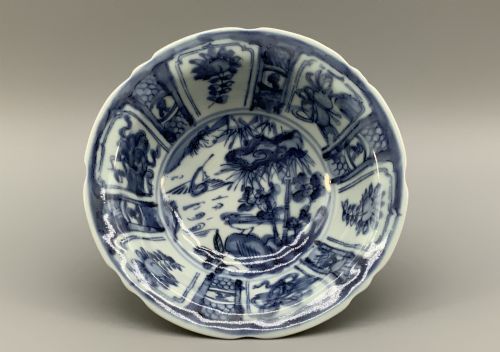
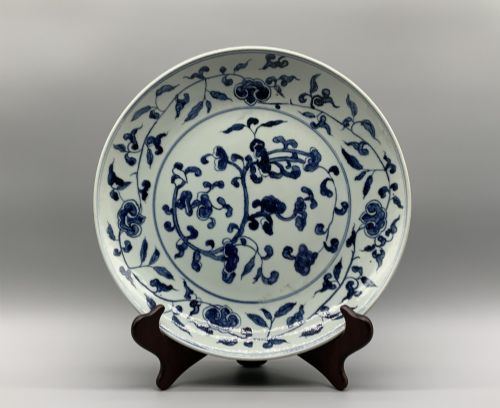
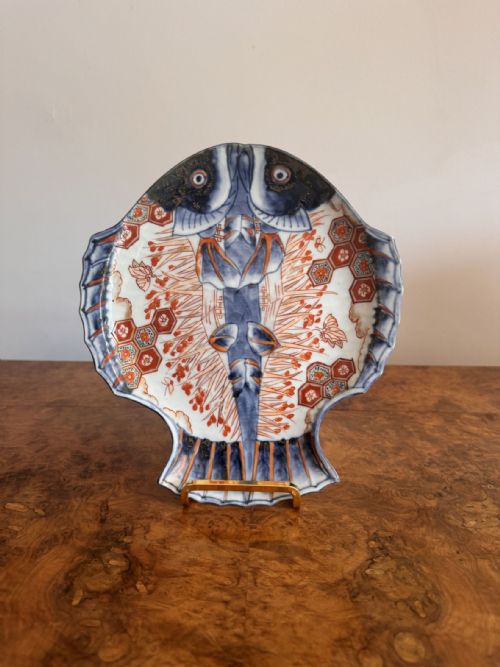
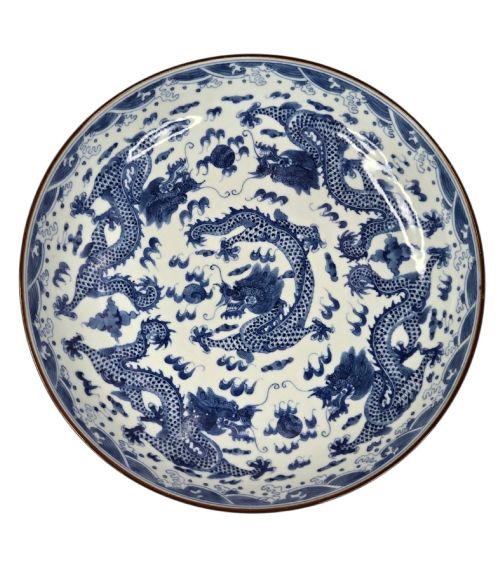
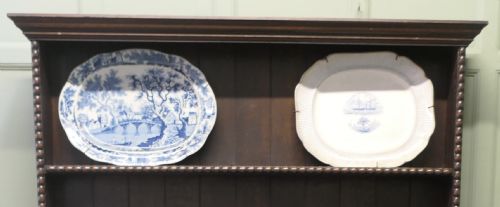
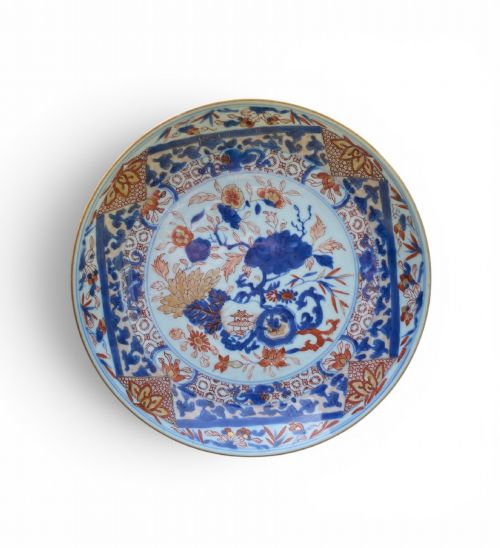
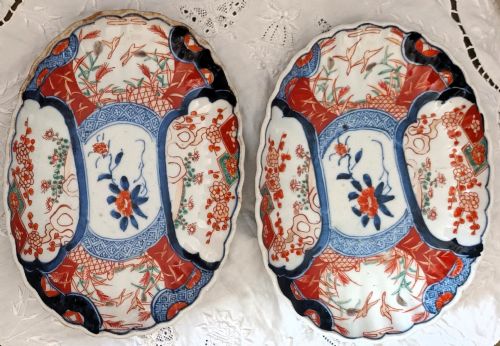
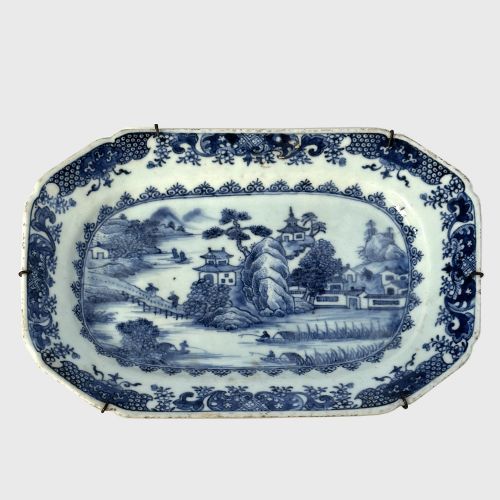
An underglaze blue platter spans diverse global traditions, joining Chinese export porcelain alongside English earthenware and pearlware. Collectors encounter large chargers, meat dishes with gravy wells, and serving platters.
The aesthetic bridges seventeenth-century Qing Dynasty production and nineteenth-century Staffordshire manufacture. Each form serves both decorative display and practical presentation within a dining interior.
The selection ranges from early Kangxi period Chinese export wares to Regency and Georgian English iterations. These serve as robust anchors for historic table settings and wall mounting alike.
How they were made
Potters applied cobalt pigment directly onto the unfired body of ceramic glaze, hard-paste porcelain, or pearlware. The pieces then received a transparent protective coating before entering the kiln.
High-temperature firing fused the cobalt pigment beneath the ceramic glaze to create permanent cobalt glaze decoration. English examples often employed transfer print techniques to apply intricate patterns onto earthenware bodies.
Retail Price Guide 2026
Typical UK retail prices for underglaze blue platter, calculated from the Sellingantiques database of over a million retail prices indexed since 2003. This retail price guide relies exclusively on Sellingantiques data; no external sources or auction records are used, so the figures do not describe the wider market.
Listings feature hard-paste porcelain, pearlware, and earthenware spanning the 18th Century, Georgian period, and 1800.
What varies in quality
Artistic execution distinguishes exceptional examples from standard production, visible in the depth and clarity of the cobalt pigment. Brushwork sensitivity in hand-painted Chinese export pieces contrasts with the precise registration of English transfer printing.
Body refinement and glaze stability dictate the longevity and visual harmony of the surface. Superior potting achieves thin, even walls in hard-paste porcelain alongside smooth, unblemished earthenware grounds.
The Underglaze Blue Platter Glossary
- Underglaze blue
- A decorative technique where cobalt pigment is applied to the raw ceramic body before glazing and firing. This locks the deep blue colour permanently beneath the glassy surface.
- Pearlware
- A refined earthenware developed in Staffordshire featuring a pale bluish glaze that pooled pleasingly in crevices. It bridged the gap between creamware and later white ironstone.
- Hard-paste porcelain
- A true porcelain composed of kaolin and petuntse fired at very high temperatures. It produces a dense, ringing body that resists scratching and absorbs no moisture.
- Transfer print
- A method of transferring engraved designs onto ceramic surfaces using paper and specialised inks. This innovation allowed complex pictorial scenes to be replicated consistently across meat dishes.
- Gravy well
- A sunken recess or channel moulded into the base of a serving dish. It collected meat juices during carving for easy spooning.
Frequently Asked Questions
Can I use these for serving food?
Many of these dishes remain entirely stable for serving dry foods or whole joints at the table. Historic glazes, however, can sometimes harbour microscopic crazing lines from age.
Inspect the surface condition carefully before use with acidic foods. Displaying them on walls or dressers avoids modern wear entirely.
How do I tell Chinese export from English pieces?
Chinese export items typically utilise hard-paste porcelain with crisp, luminous bodies and hand-painted motifs. English examples more frequently employ earthenware, pearlware, or transfer printing techniques.
Examining the foot ring and body weight reveals the distinct manufacturing origins. Each tradition displays specific stylistic markers from its respective period.
What is a gravy well?
A gravy well is a functional indentation built into the floor of large meat platters. It allowed juices to pool away from the carved meat during service.
This practical feature indicates a piece designed specifically for formal dining tables. Platters with wells are particularly sought after by collectors of nineteenth-century Staffordshire.