


Gilt Porcelain Dessert Dish
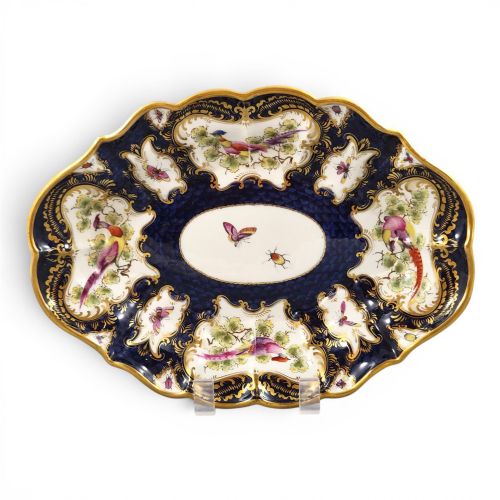
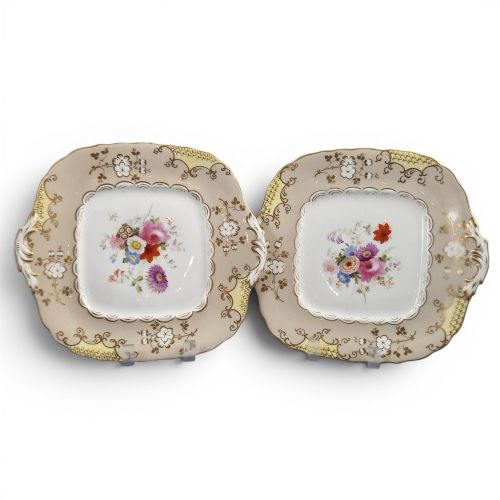
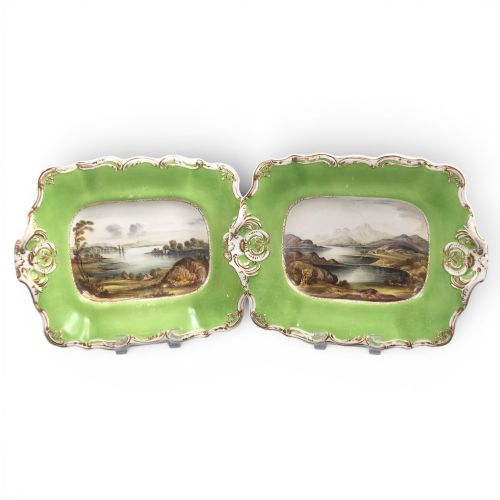
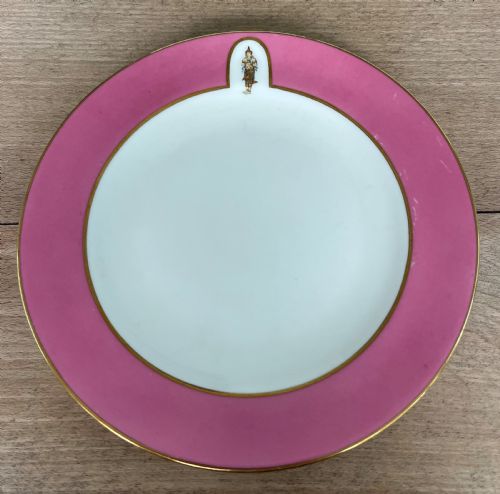
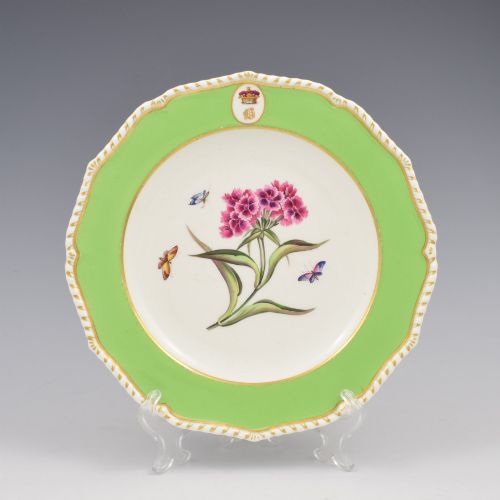
A gilt porcelain dessert dish brings rich Regency and Victorian colour to the table.
Gilt Porcelain Dessert Dish
When you search for a gilt porcelain dessert dish, you are looking at fine ceramic plates, bowls, and baskets designed for the final course of a formal meal. These pieces range from Georgian and Regency services to Victorian and Edwardian creations.
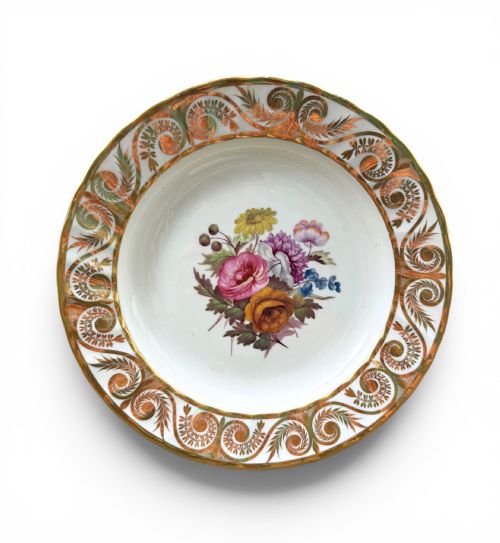
The version you are most likely to meet on this page is a painted porcelain plate or shallow dish decorated with gold leaf or gilding, often featuring botanical studies, armorial bearings, or topographical views.
Makers such as Derby, Worcester, Minton, and Coalport dominate the offerings, spanning periods from the late eighteenth century through the early twentieth century.
How they were made
Potters shaped these dessert services using porcelain, bone china, and ceramic bodies before applying detailed hand-painted enamel scenes and rich gold leaf or gilding.
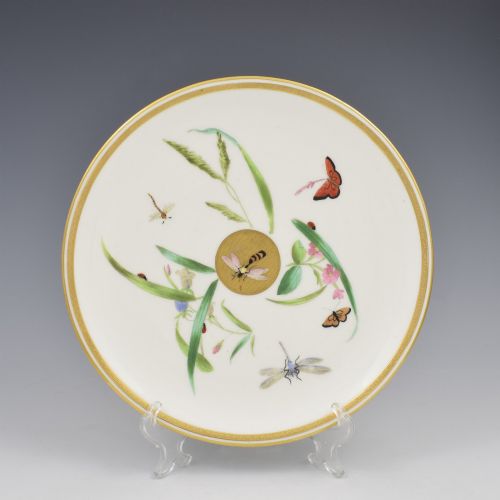
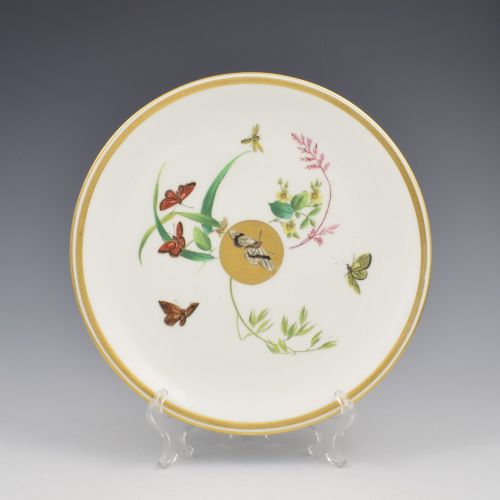
The application of gold gilt required skilled handwork, often combining raised enamel and burnished gold around floral motifs, landscapes, or Japanese-style insect patterns.
Listings feature porcelain, bone china, and ceramic pieces across Georgian, Regency, Victorian, and Edwardian periods.
What varies in quality
The standard of painting sets the finest pieces apart from standard factory production, with named botanical studies by artists like Moses Webster or Thomas Steele commanding greater attention.
The crispness of the porcelain moulding, the complexity of the armorial bearings or topographical views, and the preservation of the gold leaf across the rim determine the overall merit of the dish.
Moses Webster·Royal Worcester·Coalport·Copeland and Garrett·Cauldon Ltd·Bloor Derby·Mintons·Rockingham Pottery·Flight Barr and Barr·James Giles·Chamberlain Worcester·Wedgwood
The Gilt Porcelain Dessert Dish Glossary
- Armorial
- Bearing a family coat of arms or crest. These bespoke commissions often marked important aristocratic families and royal services.
- Gilding
- The application of gold leaf or gold paint to the ceramic surface. It highlights rims, handles, and decorative borders.
- Bone china
- A type of porcelain incorporating bone ash for strength and translucency. It became a favoured material for nineteenth-century English dessert services.
- Enamel
- Opaque glass-based pigment fused to the ceramic body during firing. It provides the vivid blues, pinks, and greens found on floral and landscape plates.
Gilt Porcelain Dessert Dish: Frequently Asked Questions
What were gilt porcelain dessert dishes used for?
These dishes served fruit, sweetmeats, and confections at the conclusion of a formal dinner party. Wealthy households displayed them as part of large matching porcelain services.
Guests admired the painted scenes and armorial crests while enjoying the final course before the table was cleared.
How do I date a porcelain dessert dish?
Datings rely on factory marks stamped or painted on the reverse, alongside stylistic clues such as Regency botanical painting or Aesthetic Movement motifs. Period details in the shape and gilding style also point to specific decades.
Comparing pattern numbers with factory records helps narrow the year of manufacture.
Can I use these antique dishes for food?
While structurally sound, antique gilt porcelain is best reserved for display or very careful occasional use. Historic enamel pigments and delicate gold leaf can wear down with modern dishwashing.
Hand washing in lukewarm water preserves the painted fruit and topographical views for the future.
How do I identify different English porcelain factories?
Factories like Derby, Worcester, and Coalport left distinct traces in their paste, glaze, and hand-painted subjects. Pattern numbers and scripted factory names often appear on the underside of the plate.
Stylistic signatures, such as Chamberlains' topographical views or Minton pearl-jewelled borders, also distinguish one maker from another.