


Antique Imari Pattern Dish
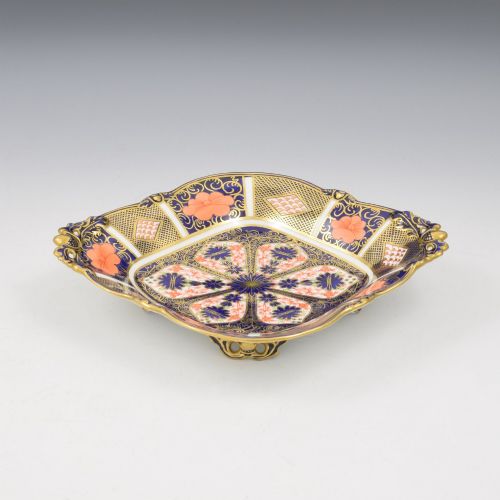
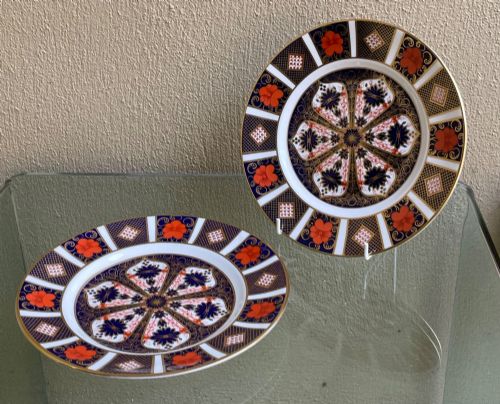
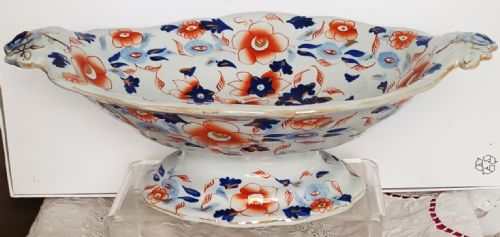
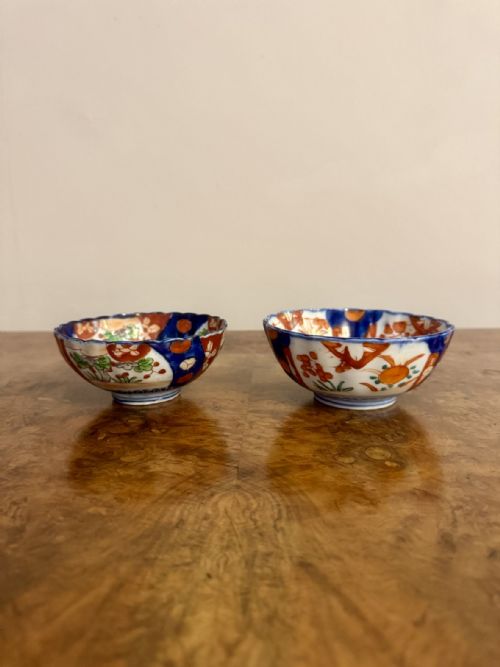
An antique imari pattern dish brings vibrant cobalt blue, iron red, and gilt decoration to the table, uniting eastern and western ceramic traditions.
Antique Imari Pattern Dish
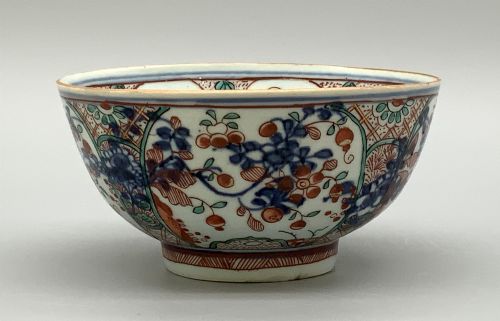
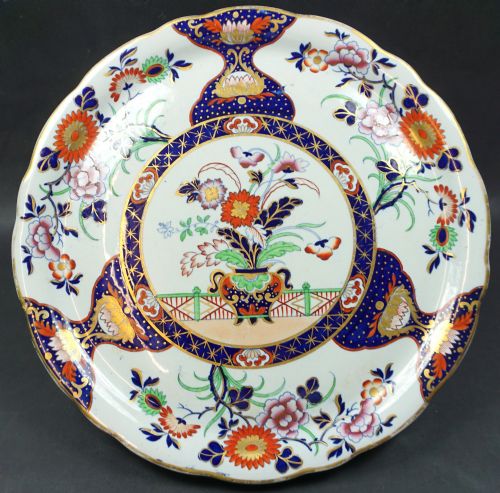
An antique imari pattern dish covers a wide variety of serving vessels, plates, bowls, and tureens produced across different centuries and origins. Buyers searching this phrase meet everything from Japanese export porcelain to English adaptations made by factories in Staffordshire and Worcester.
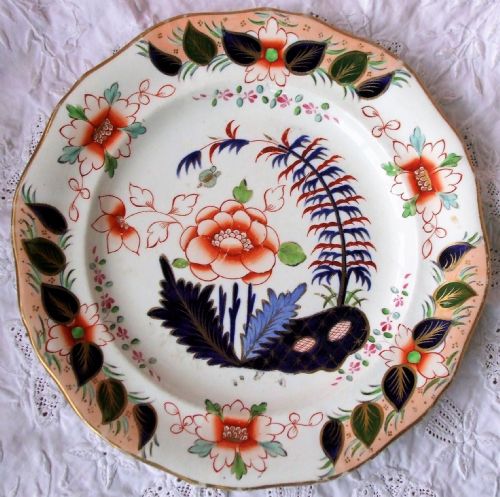
The domestic interpretations span the Georgian and Victorian eras, utilising ironstone, bone china, and porcelain to replicate the bold palettes of overseas wares. Japanese examples also appear frequently, showcasing traditional motifs created in kilns during the Meiji period and earlier centuries.
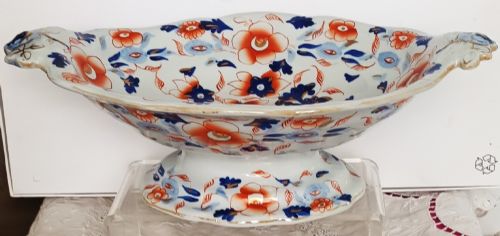
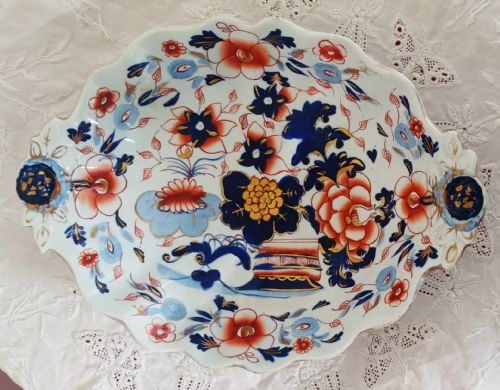
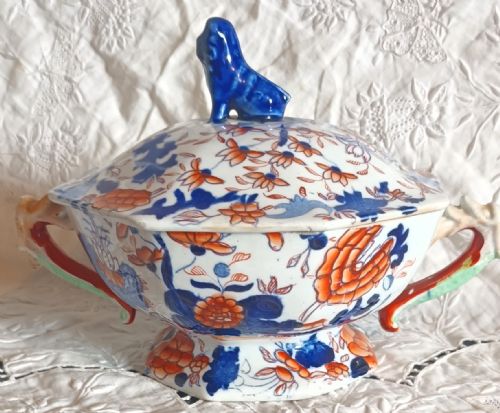
Forms range from simple plates and shallow dishes to footed comports, boat-shaped vessels, and covered tureens. Each piece serves both a decorative and practical function, displaying the enduring appeal of compartmentalised designs and floral or avian motifs.
How they were made
Potters shaped porcelain, bone china, and ironstone before applying underglaze cobalt blue and firing the pieces in kilns. Enamel colours in iron red, green, and yellow were then added by hand over the glaze, frequently finished with gold leaf or gilt detailing.
English factories adapted traditional eastern aesthetics to heavy earthenware bodies like patent ironstone, building durable serving dishes and tureens suited to formal dining. Japanese makers utilised fine porcelain clay, shaping octagonal plates and bowls by hand or wheel before applying the characteristic glaze.
Several plates feature black ship decoration, recording historic naval encounters through the eyes of traditional ceramic painters.
What varies in quality
The crispness of the hand-painted brushwork and the vibrancy of the enamel colours distinguish finer examples from simpler production pieces. Precise gilding and well-preserved gold leaf indicate higher grade workmanship across both English and Japanese origins.
Weight, glaze uniformity, and the complexity of the compartmentalised pattern also determine the standing of a dish. Early porcelain bodies show greater translucency, whereas ironstone pieces rely on robust shape and structural integrity.
Royal Crown Derby·Hicks And Meigh·John Davenport·Masons Patent Ironstone·Flight Barr And Barr·John Ridgway·Chamberlain Worcester·Minton
The Antique Imari Pattern Dish Glossary
- Imari style
- A decorative scheme originating in Japan that uses deep underglaze blue, iron red enamel, and gold highlights. English factories copied this distinctive palette extensively during the Georgian and Victorian periods.
- Ironstone
- A dense, durable ceramic body patented in the nineteenth century for heavy domestic use. It provides a sturdy white ground for colourful transfer-printed and hand-painted patterns.
- Comport
- A raised serving dish or pedestal bowl used for fruit or sweetmeats at the dining table. These pieces often feature footed bases and scalloped edges.
- Kakiemon
- An asymmetric Japanese ceramic style featuring delicate enamels and motifs such as quails and flowering branches. English porcelain works often emulated this aesthetic on plates and butter dishes.
- Tureen
- A deep covered serving vessel used for soup, sauce, or vegetables. They frequently include matching stands or ladles and elaborate handles.
Antique Imari Pattern Dish: Frequently Asked Questions
How do I date an antique imari pattern dish?
Dating relies on maker marks, ceramic bodies, and stylistic details recorded across the pieces. Ironstone and bone china examples often carry factory stamps or registry marks corresponding to nineteenth-century production.
Japanese pieces require observation of paste texture, glaze characteristics, and potting styles. Earlier items show hand-formed traits, whereas later nineteenth-century wares display distinct export characteristics.
What is the difference between Japanese and English imari?
Japanese imari refers to original porcelain exported from Arita, featuring native clays and traditional hand-painted motifs executed in cobalt blue and iron red. These pieces reflect eastern ceramic traditions dating back centuries.
English imari represents domestic interpretations made by factories such as Derby, Worcester, and Mason's. These makers applied the familiar colour palette to ironstone, bone china, and porcelain bodies, often incorporating European shapes like tureens and comports.
Can I use these antique dishes for serving food?
Most antique plates, bowls, and serving dishes remain structurally sound for gentle modern use. Ironstone and porcelain bodies tolerate careful handling, though hand washing preserves the delicate overglaze enamels and gilding.
Pieces with extensive gold leaf wear or fragile enamel work benefit from display rather than daily dining service. Assessing the glaze condition helps determine suitability for occasional table use.
How were tureens and comports used originally?
Tureens held soups, sauces, or vegetables at formal dining tables, keeping contents warm with fitted lids. Ladles often accompanied these vessels for serving guests during multi-course meals.
Comports served as elevated centerpieces for displaying fruit, nuts, or sweetmeats. Their raised bases added height and visual variety to the dining arrangement.