


Gilt Rim Porcelain Dish
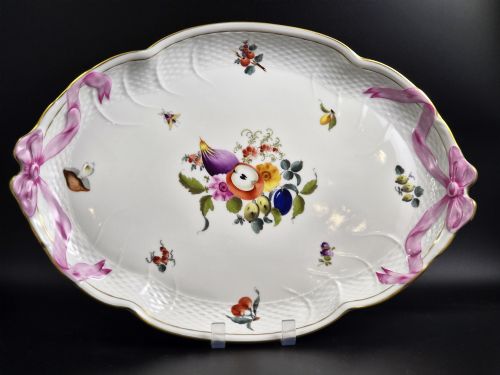
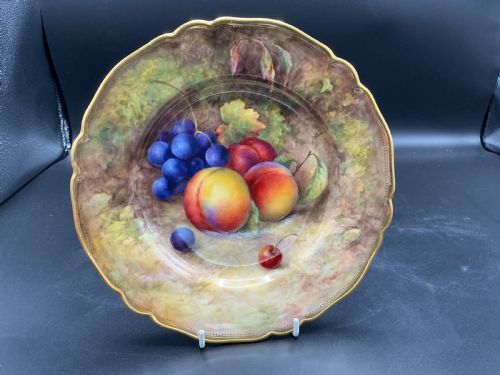
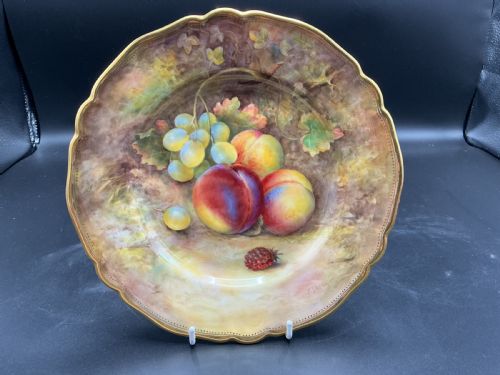
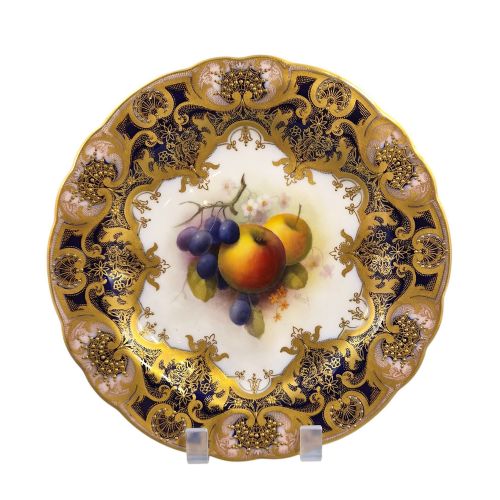
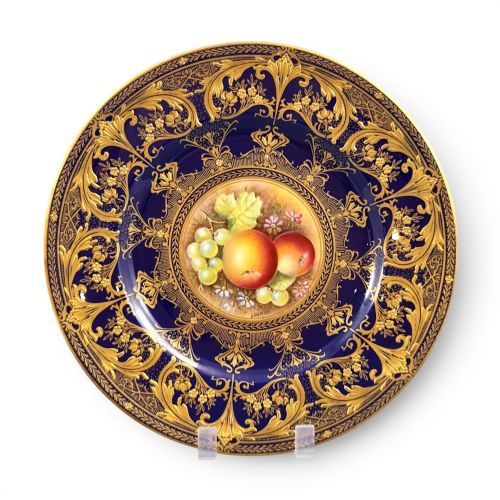
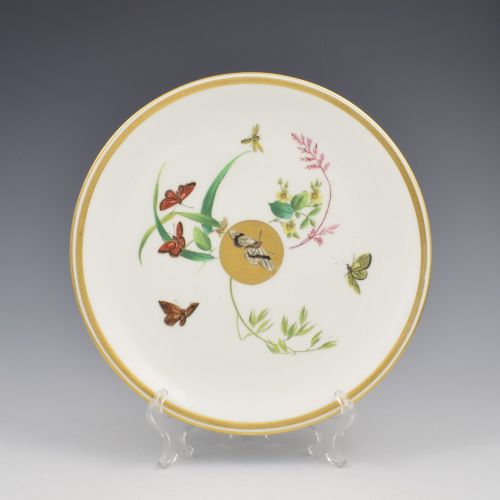
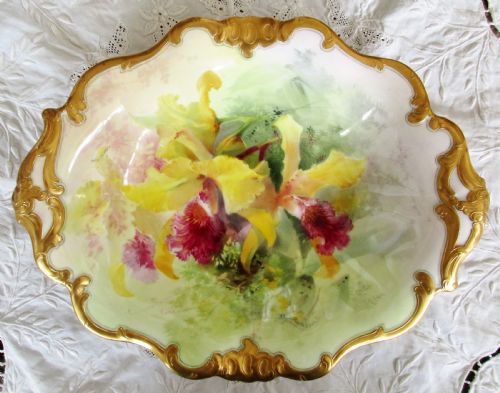
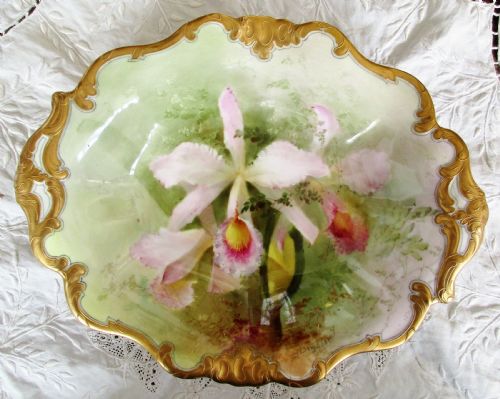
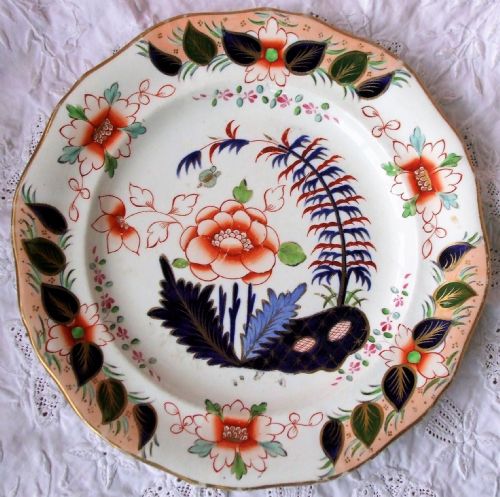
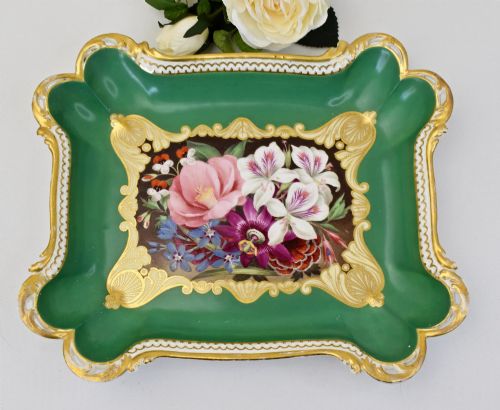
A gilt rim porcelain dish brings hand-painted panels and metallic borders together, offering a decorative surface for cabinets and side tables.
Gilt Rim Porcelain Dish
A gilt rim porcelain dish forms part of a wider category of decorative plates, cabinet dishes, and side plates produced across various periods. When searching for a gilt rim porcelain dish, you encounter items shaped as round plates, oval dishes, shell forms, and bowls designed primarily for display.
The pieces on this page span the Victorian era, the Edwardian period, and the twentieth century up to the 1960s. Forms range from traditional English dessert services to French Sevres plates, Meissen items, and Japanese Satsuma ware.
Makers represented in these categories include Royal Worcester, Royal Doulton, Minton, Coalport, and Wedgwood. Many examples feature hand-painted fruit, floral sprays, birds, or Japanese-style motifs framed by gilded edges.
Materials and construction methods
These items utilise porcelain, bone china, ceramic, and ironstone as base bodies. Artisans shaped these materials into plates, dishes, bowls, and trays before applying white or tinted glazes.
Decoration relied on enamel painting, gold leaf, and gilding. Painters applied detailed botanical, avian, and fruit scenes by hand, often finishing the rims and edges with applied gold or gilt paint.
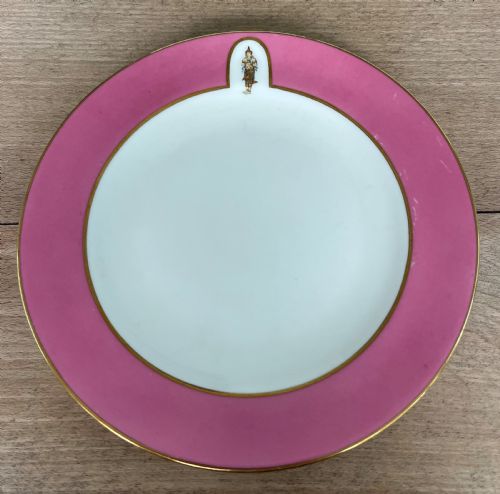
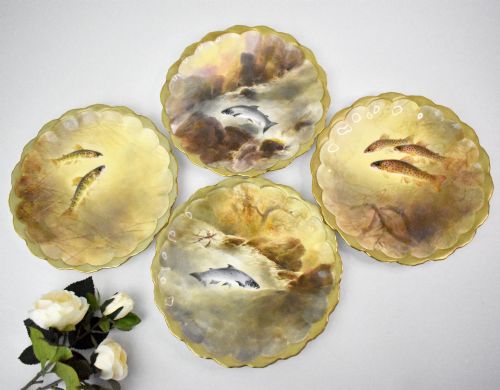
A porcelain dish supplied directly to the King of Siam sits comfortably alongside botanical studies of orchids and hand-painted fish.
Judging quality in porcelain dishes
Quality rests primarily on the skill of the painting and the reputation of the maker or artist. Signed pieces by established painters such as Albert Shuck, Tom Keeling, or David Dewsberry stand apart from standard factory output.
The precision of the gilding and the complexity of the porcelain body, such as reticulated pierced borders or unusual shaped mouldings, separate standard decorative items from superior examples.
Royal Worcester·Royal Doulton·Meissen·Coalport·Wedgwood·Minton
The Gilt Rim Porcelain Dish Glossary
- Cabinet plate
- A decorative plate intended for display in a cabinet rather than for practical dining use. These often feature elaborate hand-painted scenes.
- Gilding
- The application of gold leaf or gold paint to surfaces such as rims and handles. This technique highlights the edges of plates and dishes.
- Imari
- A decorative style inspired by Japanese export wares featuring iron red, blue, and gold patterns. English potteries frequently adopted this palette.
- Reticulated
- Describes ceramics featuring pierced or openwork lattice borders. This technique requires considerable skill during the firing process.
Gilt Rim Porcelain Dish: Frequently Asked Questions
What is a gilt rim porcelain dish used for?
These pieces functioned historically as dessert plates, side plates, or cabinet dishes for display in dining rooms and drawing rooms. Today, collectors primarily use them as decorative wall or cabinet pieces.
Their painted central motifs and gilded borders make them suitable for ornamental placement on stands or within glass-fronted furniture.
How do I identify the period of a dish?
Dating relies on factory backstamps, ceramic bodies, and stylistic markers such as Aesthetic Movement designs or Edwardian floral sprays. Reference marks help narrow down the decade of production.
Examining the type of porcelain and the style of the hand-painted decoration provides further clues regarding age.
Are all these dishes hand painted?
Many examples feature hand-painted artwork by named artists working for major potteries like Royal Worcester or Doulton. Subjects typically include fruit, orchids, fish, and birds.
Some pieces incorporate printed transfer outlines filled in with enamel colours or complemented by hand-applied gilding.
How should I care for antique porcelain?
Antique porcelain and enamel decoration require gentle handling and dusting with a soft, dry cloth. Avoid using abrasive cleaners or submerging gilded pieces in water for extended periods.
Displaying them securely on stable stands protects the delicate ceramic bodies and gold rims from accidental chips.