

Antique Asian Porcelain Charger
An antique asian porcelain charger brings centuries of painted ceramic artistry to a wall or table.
Antique Asian Porcelain Charger
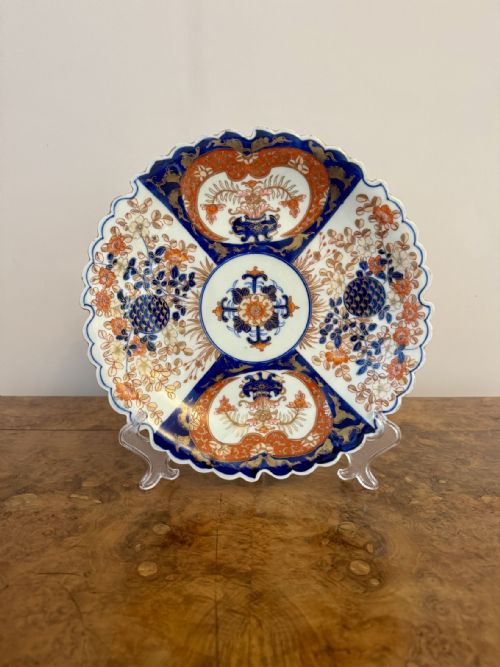
An antique asian porcelain charger represents large-scale ceramic platters and decorative dishes produced across East Asia. Buyers seeking this phrase encounter significant wide plates created for display rather than everyday dining.
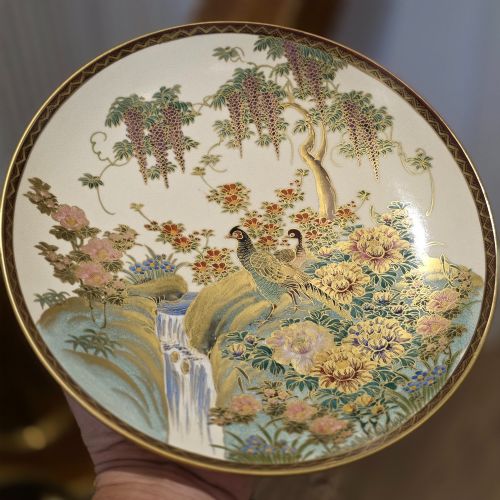
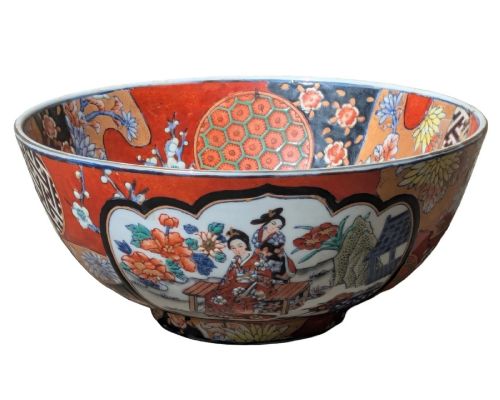
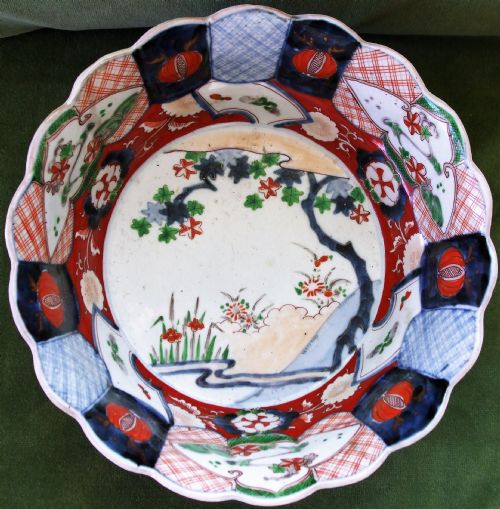
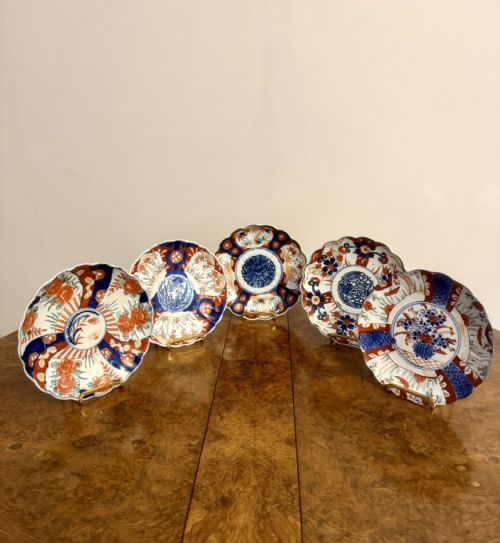
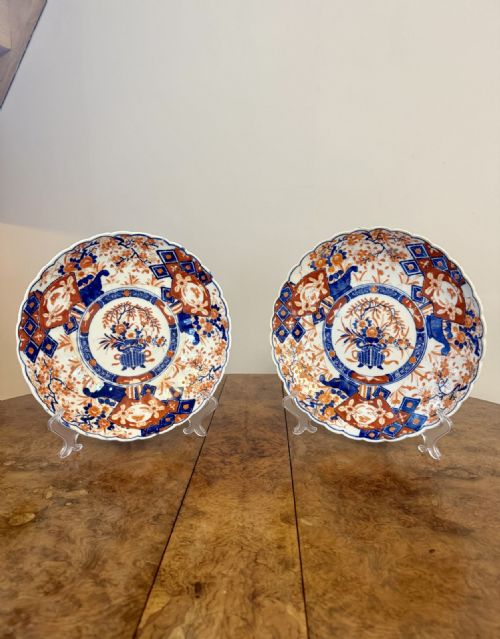
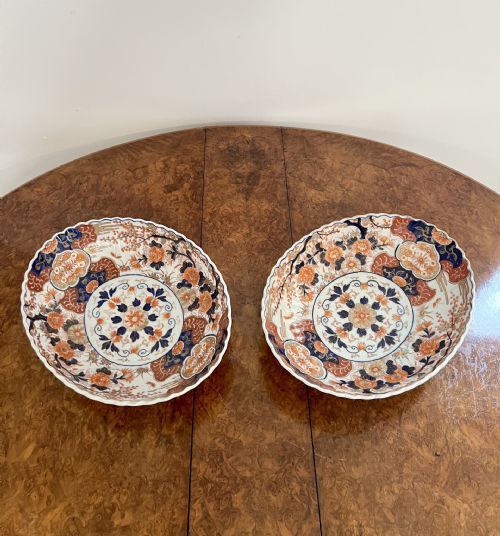
The selection here draws heavily on Japanese Imari and Kutani traditions alongside Chinese export wares. Pieces span from seventeenth-century Arita and Longquan production through nineteenth-century Meiji period and early twentieth-century examples.
How they were made
Potters shaped ceramic clay bodies into wide plates and chargers, often incorporating moulded relief details like floral scrolls. Kiln firing fixed the foundational porcelain and stoneware before artisans applied detailed painted surface decoration.
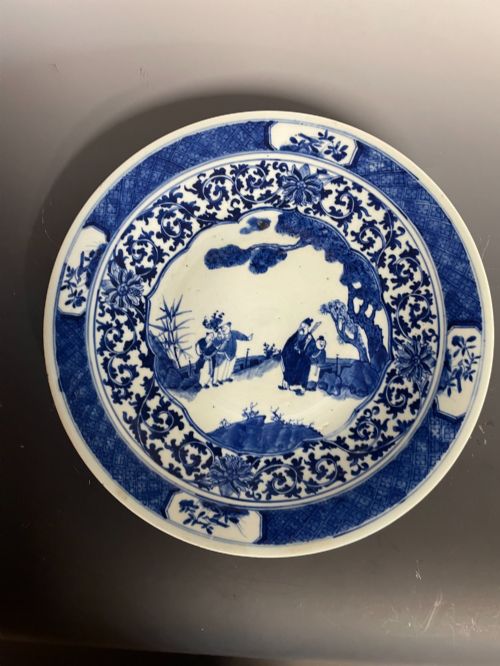
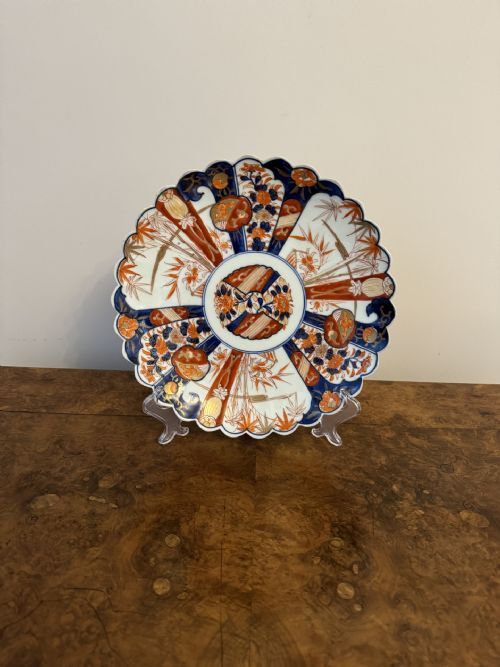
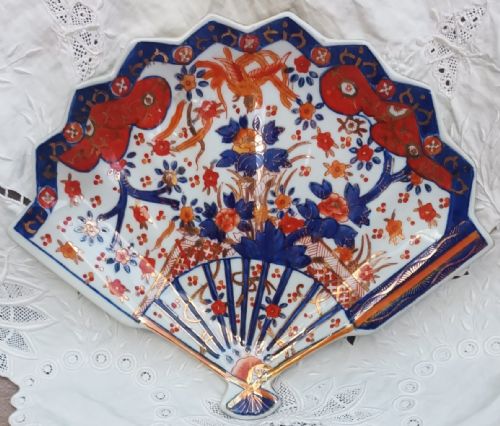
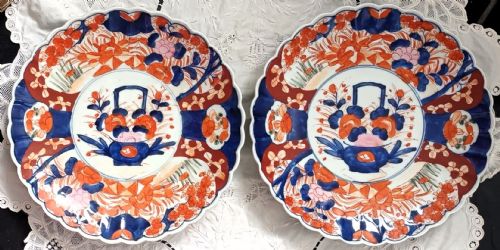
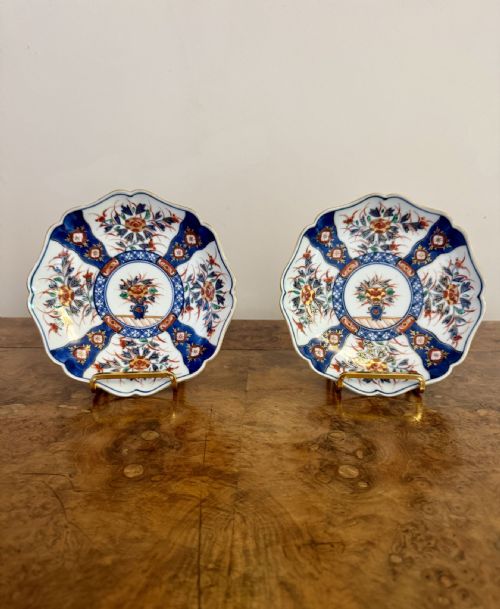
Makers utilised coloured enamel pigments, underglaze blue, glaze, and gold leaf or gilding to build up intricate pictorial scenes. Hand-painted motifs frequently combined rich iron-red and cobalt hues with metallic highlights.
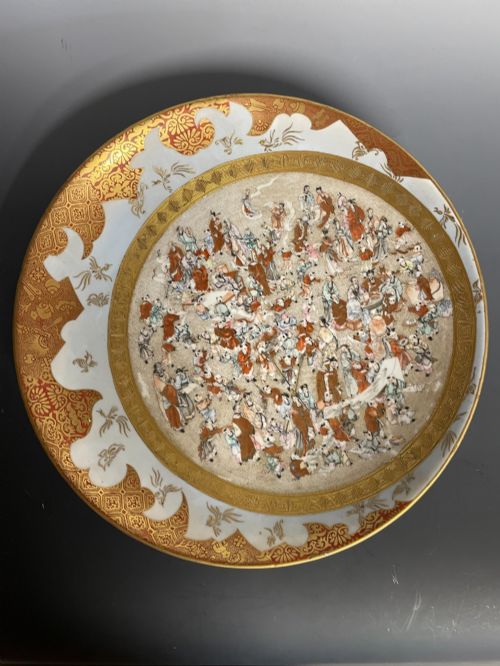
Several chargers proudly depict the Seven Lucky Gods sharing space with exotic birds on scalloped porcelain.
What varies in quality
The standard of painting distinguishes ordinary output from superior pieces, particularly in the precision of brushwork on complex figural or avian scenes. Finer examples display disciplined control over cobalt blues and iron-red enamels alongside well-applied gold leaf.
Form and potting also dictate standing, with crisp scalloped edges, well-balanced weight, and successful glaze vitrification marking out the better workshops. Earlier periods like the seventeenth and eighteenth centuries bring historical depth to the material.
Koshida
The Antique Asian Porcelain Charger Glossary
- Imari
- A style of Japanese porcelain featuring a distinctive palette of underglaze blue, iron-red, and gilt highlights. These wares were widely exported to Europe from the port of Imari.
- Kutani
- Japanese coloured porcelain associated with bold pictorial designs and rich enamel painting. The tradition encompasses various revival periods during the nineteenth and twentieth centuries.
- Celadon
- A type of transparent green ceramic glaze applied to porcelain or stoneware. Longquan kilns in China produced notable examples with carved or moulded relief decoration.
- Famille rose
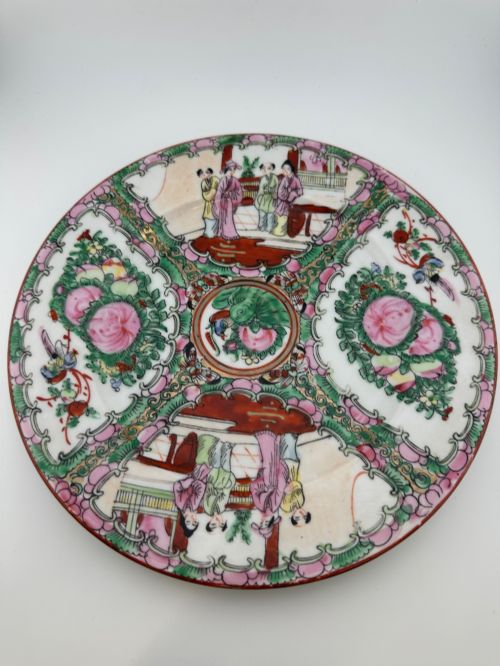
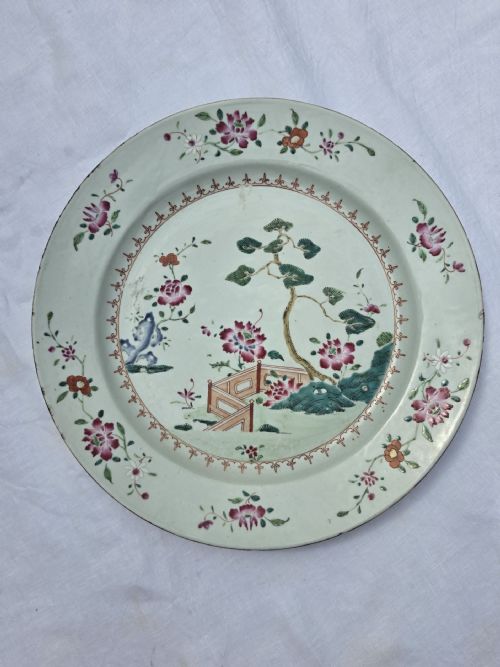
- A palette of opaque Chinese ceramic enamels dominated by pink or rose colours. Introduced during the Qing dynasty, it allowed for nuanced shading in floral and figural motifs.
- Aka-e
- Japanese ceramic decoration dominated by red enamel pigment. The term translates as red pictures and often appears alongside gold on early wares.
Antique Asian Porcelain Charger: Frequently Asked Questions
How were these chargers used?
These large plates served primarily as decorative display items on tables, sideboards, or walls in elite interiors. Their generous surfaces provided space for elaborate narrative scenes, floral arrangements, and auspicious symbols.
Export demand in Europe and beyond meant many chargers arrived in Western homes specifically as prized ornamental objects. They were preserved as centrepieces of collection rather than utilitarian tableware.
How do I hang a heavy charger?
Displaying a large ceramic platter on a wall requires a dedicated plate hanger with rubber-tipped spring grips that distribute pressure evenly. The fixing must secure firmly into wall studs or appropriate masonry anchors to support the weight safely.
Alternatively, a sturdy table stand designed for heavy porcelain allows the charger to rest at an angle on a surface. Ensure the rim depth matches the groove of the stand before leaving the piece unsupported.
How do I tell Japanese Imari from Chinese export?
Japanese Imari porcelain typically displays a dense mix of underglaze cobalt blue, rust-red enamel, and gold leaf on a slightly greyish white base. The decorative compositions often crowd the surface with floral and brocade patterns.
Chinese export porcelain, such as Famille Rose, often utilises a brighter white paste with finer enamel shading and more open negative space. Period markers and potting characteristics also help separate Arita output from Qing dynasty kilns.