




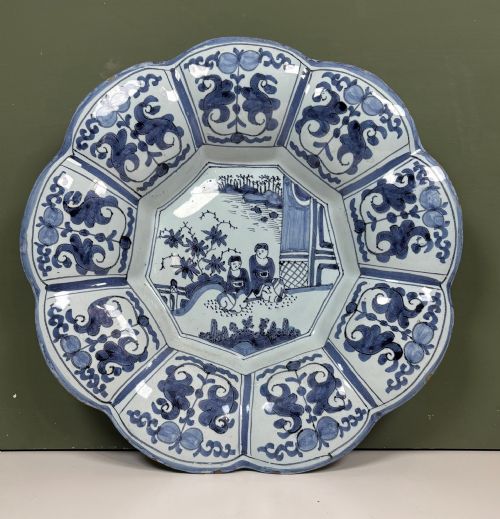
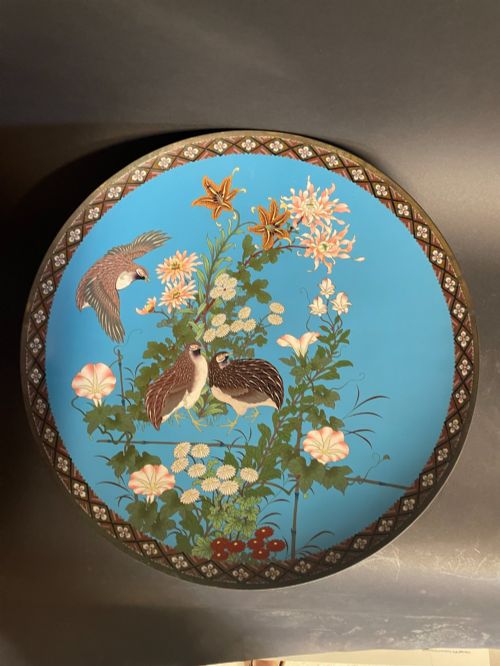

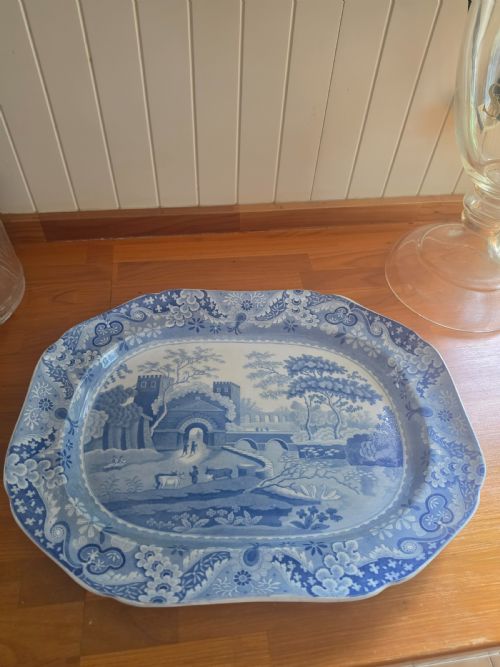
Blue Ceramic Charger Plate
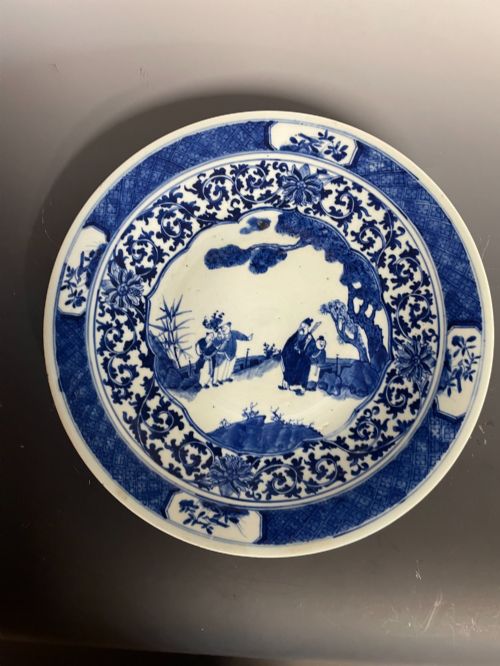
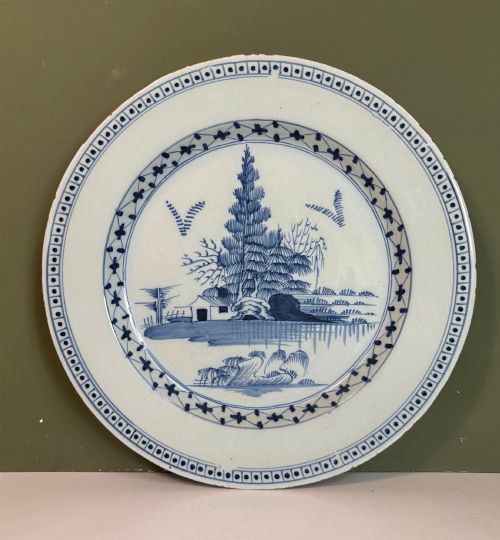
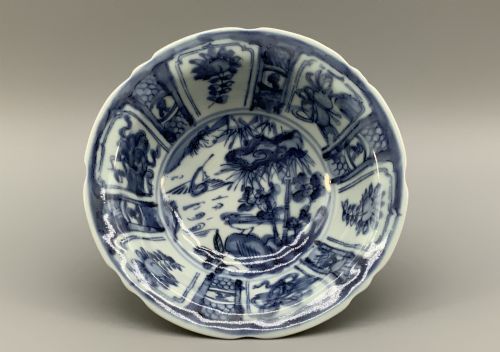
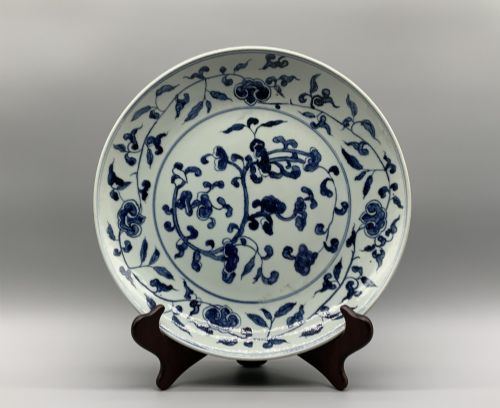
These large blue ceramic charger plate examples bring centuries of hand-painted cobalt and tin-glazed earthenware to your table.
Blue Ceramic Charger Plate
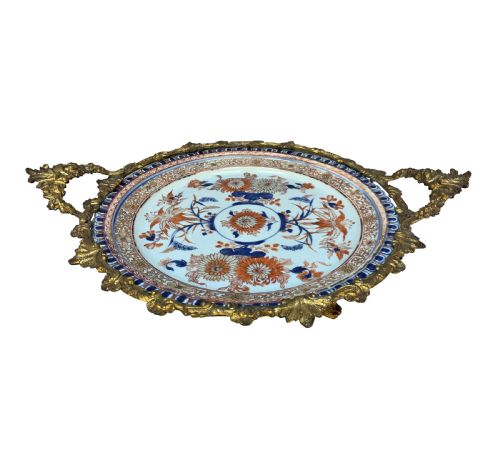
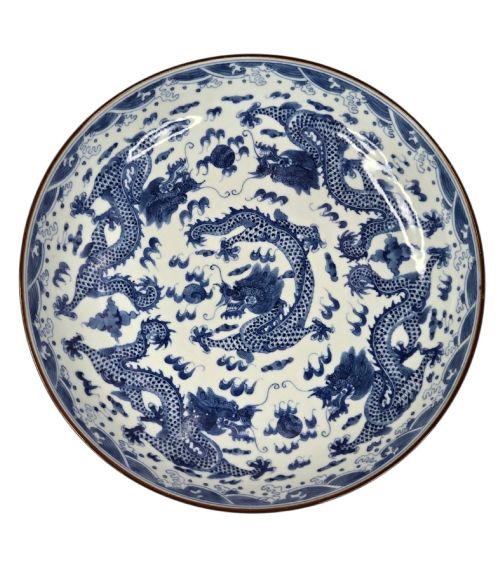
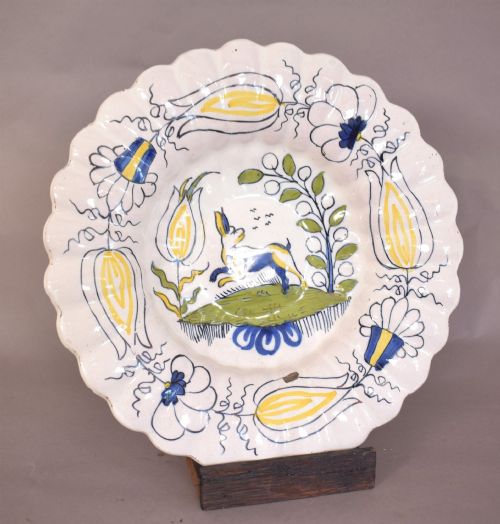
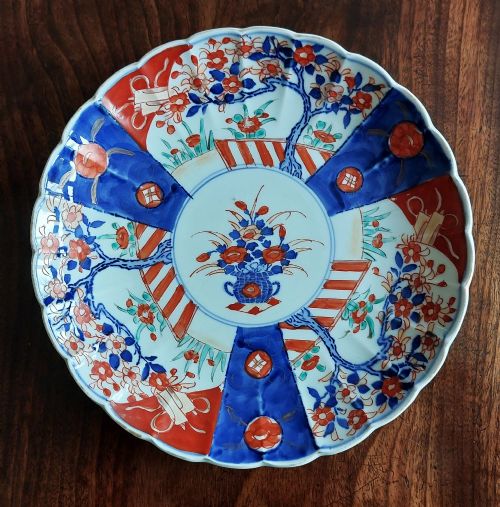
A blue ceramic charger plate functions as a decorative or serving dish, appearing across the seventeenth, eighteenth, nineteenth, and twentieth centuries. You will frequently encounter large Delftware and Japanese Imari chargers alongside English transferware and continental earthenware.
The form spans centuries of production, taking shape as round chargers, lobed dishes, and cabinet plates. Makers across European and Asian workshops utilised porcelain, earthenware, and tin-glazed compositions to produce these large decorative surfaces.
Examples range from early Dutch and English Delftware to Japanese Meiji period porcelain and nineteenth-century Staffordshire pottery. These variations reflect distinct regional aesthetics from seventeenth-century Kraak styles up to twentieth-century Continental Delft pieces.
How they were made
Potters shaped porcelain and earthenware bodies before applying cobalt pigment under a clear glaze or an opaque tin glaze. Many pieces received hand-painted floral, figurative, or architectural decoration, while others incorporated transfer-printed designs.
Kiln firing fused the glaze and cobalt pigment into a hard, glossy surface, sometimes complemented by enamel colours, gold leaf, or ormolu mounts. Certain continental and English works employed earthenware bases finished with tin-glaze to create an enamel-like white ground.
Periods represented span from the seventeenth century through the Regency era up to the nineteen-thirties.
What varies in quality
The clarity and precision of the cobalt pigment application distinguish finer plates from standard production. Crisp brushwork in hand-painted motifs or sharp detail in transfer-printed patterns indicates a higher grade of manufacture.
The complexity of the form and glaze consistency also mark quality differences, particularly in lobed, scalloped, or large-format chargers. Superior pieces maintain an even glaze surface and precise alignment of decorative elements across the ceramic body.
John Ford·Royal Crown Derby·Royal Worcester·John Rogers and Son
The Blue Ceramic Charger Plate Glossary
- Charger
- A large decorative plate or serving dish used historically on sideboards or dining tables. These substantial pieces often measure well above standard dinner plate diameters.
- Tin-Glazed Earthenware
- Pottery fired with a glaze containing tin oxide, which yields an opaque white surface suitable for painted decoration. This technique defines traditional Delftware and faience.
- Imari
- A style of Japanese porcelain featuring cobalt blue and iron red, frequently accented with gold. Named after the port of export, these pieces gained great popularity in European trade.
- Cobalt Pigment
- A metallic colourant used under the glaze to produce deep blue tones on ceramic wares. It withstands high kiln temperatures without losing intensity.
- Transferware
- Pottery decorated by applying a printed design from an engraved copper plate to paper, which is then transferred onto the ceramic body before glazing.
Blue Ceramic Charger Plate: Frequently Asked Questions
What is a charger plate?
A charger plate is a large decorative dish traditionally displayed on tables or walls rather than used for direct food service.
These pieces measure significantly wider than standard plates, making them prominent focal points in historic dining settings.
How do I clean antique ceramics?
Antique ceramic chargers require gentle washing with lukewarm water and mild soap when necessary. Avoid harsh scouring materials that can damage aged glazes or hand-painted surfaces.
Displaying them securely on plate stands or wall hangers keeps them safe from accidental knocks.
What does Imari mean?
Imari refers to Japanese porcelain produced in Arita and shipped through the port of Imari for export. These works are easily recognised by their distinctive palette of cobalt blue, iron red, and gilding.
Meiji period examples frequently showcase intricate floral and bird motifs across large dishes.