



Decorative Chinese Porcelain Bowl
A decorative chinese porcelain bowl brings centuries of kiln craft and painted narrative straight to the centre of a room.
Decorative Chinese Porcelain Bowl
Every decorative chinese porcelain bowl shares a heritage rooted in centuries of kiln tradition, appearing in forms that range from deep punch bowls to wide jardinieres. These pieces emerge across varied eras, from early Kangxi periods up to twentieth century productions, bringing distinct regional and imperial styles into domestic spaces.
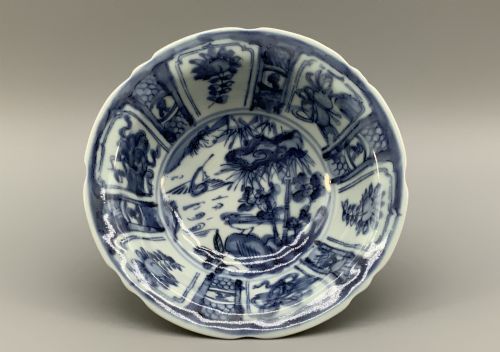
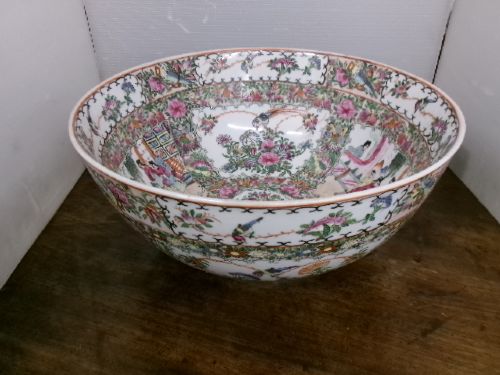
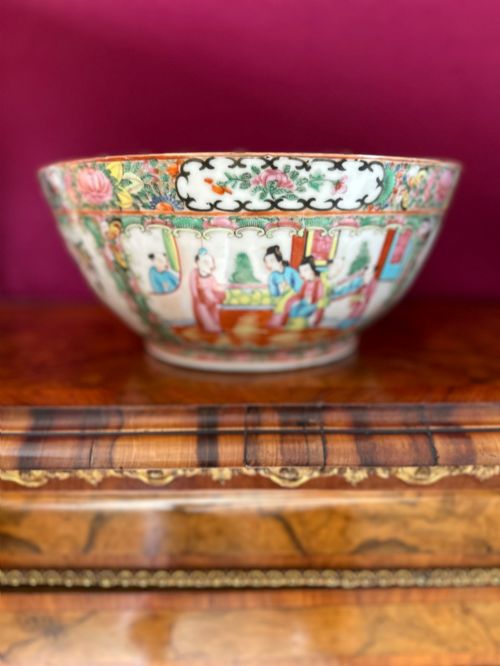
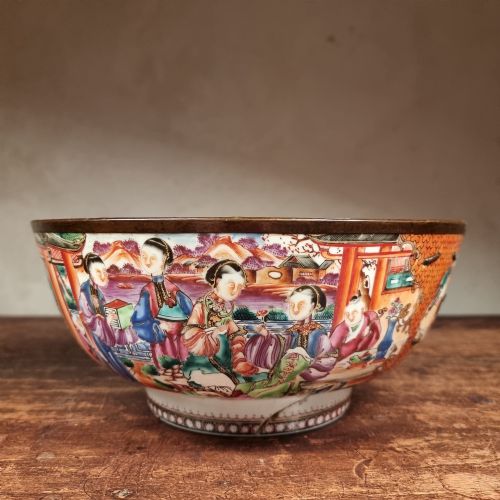
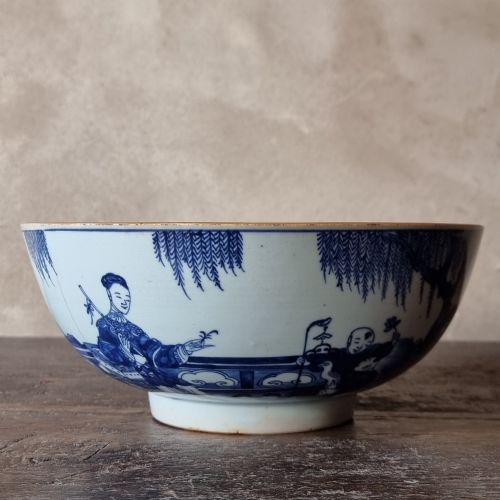
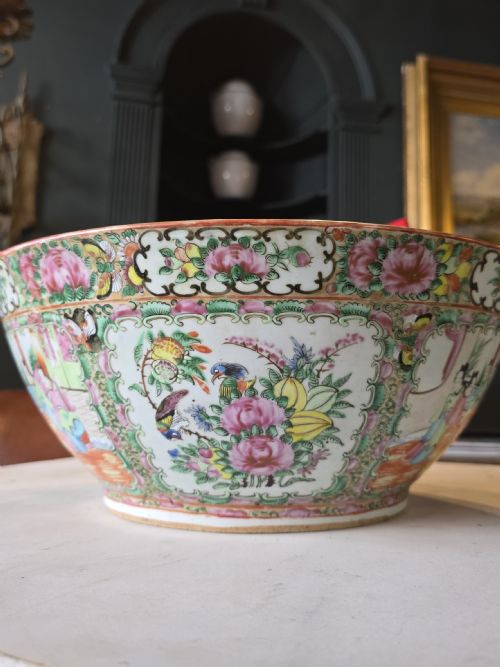
The most frequent examples encountered on this page belong to the nineteenth century, often decorated in vibrant Canton or Famille Rose palettes. Alongside these, buyers find blue and white scholar vessels and large punch bowls featuring hand painted motifs.
Vessels span diverse physical scales, from intimate conical bowls bearing incised phoenix motifs to large sixteen inch display pieces. Each object reflects specific decorative movements, including Qing dynasty aesthetics and later European interpretations.
Materials and technique
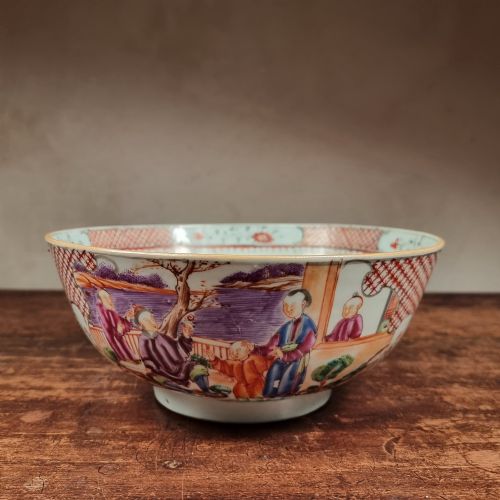
Makers shaped these vessels from fine porcelain clay, applying fluid cobalt glaze for deep blue underglaze decoration or relying on layered enamel pigments for polychrome designs. Many surfaces receive additional richness through gilding, gold leaf, or lustre glaze finishes that catch the light.
Decoration relies on meticulous hand painting, where artisans rendered botanical subjects, figures, and mythical beasts directly onto the fired body before a final glaze firing. Incised carving appears on select monochrome pieces, creating subtle texture beneath translucent glazes.
Listings feature periods spanning from seventeen hundred through the Edwardian era, utilising materials such as gold leaf, enamel, and cobalt glaze.
Assessing the pieces
Quality rests upon the crispness of the hand painted detail and the control evident in the brushwork, whether depicting intricate scholars or expansive floral medallions. Enamels that retain their original vibrancy without heavy rubbing or dullness elevate a piece significantly.
The precision of the porcelain body and the depth of the cobalt or lustre glaze dictate the visual authority of the vessel. Imperial style works and pieces bearing specific period marks demonstrate a higher degree of artistic ambition in their execution.
Daisy Makeig Jones·Wedgwood·Samson
The Decorative Chinese Porcelain Bowl Glossary
- Famille Rose
- A prominent palette of opaque pink and rose enamels introduced during the Qing dynasty. This coloration allowed artists to achieve subtle tonal gradations in floral and figural scenes.
- Canton
- A style of export porcelain decorated in bustling polychrome enamel patterns, often featuring figures, birds, and butterflies. These large vessels were shipped through the port of Canton for international markets.
- Cobalt Glaze
- A deep blue mineral pigment applied beneath the transparent glaze before high temperature firing. It produces the characteristic durable blue and white contrast seen on classic scholar bowls.
- Lustre Glaze
- A metallic film technique that imparts an iridescent sheen to the ceramic surface. This finish reflects light with an oily or rainbow effect.
- Kangxi Period
- An era of significant artistic achievement in Chinese ceramics lasting from sixteen sixty two to seventeen twenty two. Pieces from this time are noted for refined blue and white painting.
- Jardiniere
- A large ornamental pot designed to hold live plants or floral arrangements. These heavy porcelain vessels often feature robust proportions and exterior decoration.
Decorative Chinese Porcelain Bowl: Frequently Asked Questions
How were punch bowls used originally?
These large porcelain vessels served communal gatherings, holding mixed drinks or punch during eighteenth and nineteenth century banquets. Their generous capacity made them the social focal point of dining tables.
Over time, many transitioned into decorative display objects rather than functional serveware. Their wide basins allowed hosts to showcase elaborate hand painted narratives to guests.
How do I care for antique porcelain bowls?
Dust these pieces gently with a soft, dry cloth to prevent surface accumulation. Avoid harsh chemical cleaners or submersion in water, particularly for pieces with delicate gilt or enamel highlights.
Display them away from direct sunlight and high traffic edges to protect the glaze and structure. Stable placement ensures the ceramic remains safe from accidental knocks.
What is the difference between export and imperial porcelain?
Export wares were produced specifically for international trade and western markets, often featuring accessible motifs like Canton or Rose Medallion patterns. They catered to foreign tastes while maintaining traditional manufacturing roots.
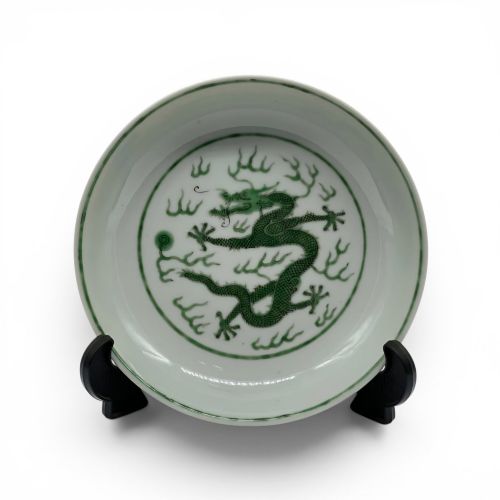
Imperial pieces were commissioned for the Chinese court, displaying specific reign marks, exceptional technical control, and symbols like the green dragon. These items reflect the highest standards of the imperial kilns.
How can I tell the period of a bowl?
Dating relies on examining the painting style, glaze characteristics, and any reign marks stamped or painted on the base. Comparing the palette against known eras like the Kangxi period or nineteenth century helps narrow the origin.
Material weight, foot ring formation, and the specific composition of the enamels also provide vital clues for identification. Subtle variations in potting techniques shift discernibly across the centuries.