








Oriental Ceramic Wall Dish
An oriental ceramic wall dish brings rich hand-painted colour and intricate historical craft straight to your interior walls.
Oriental Ceramic Wall Dish
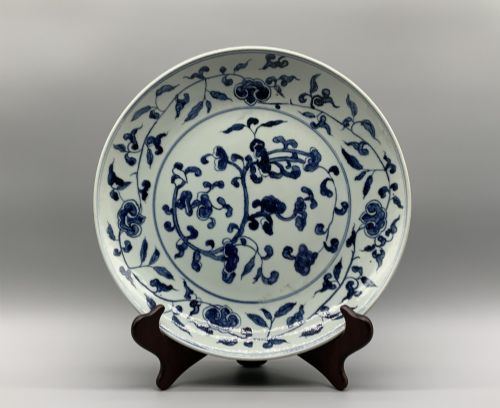
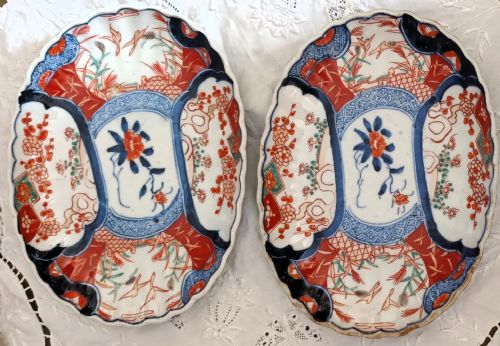
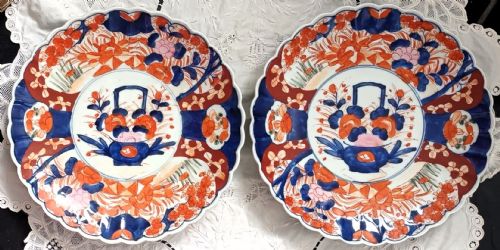
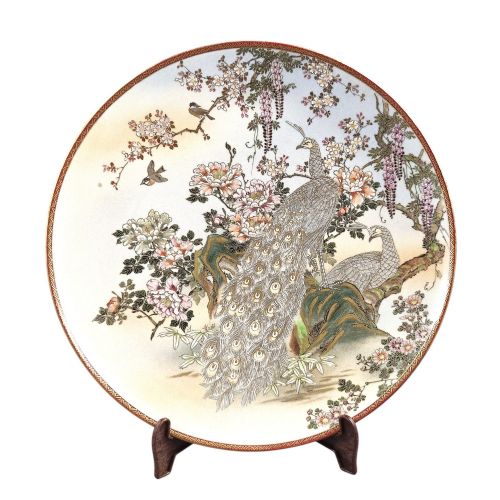
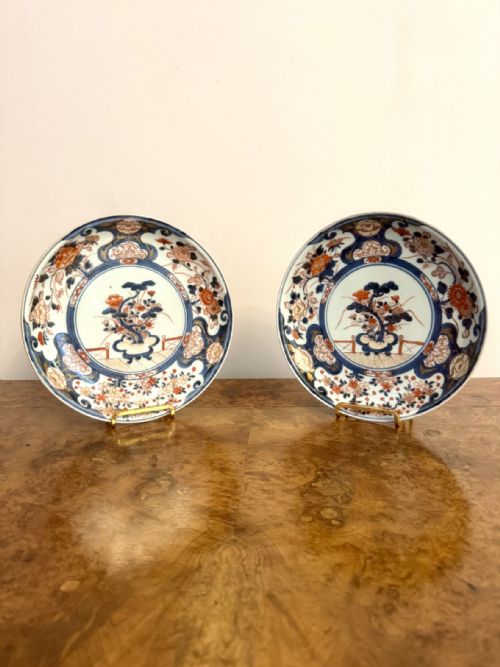
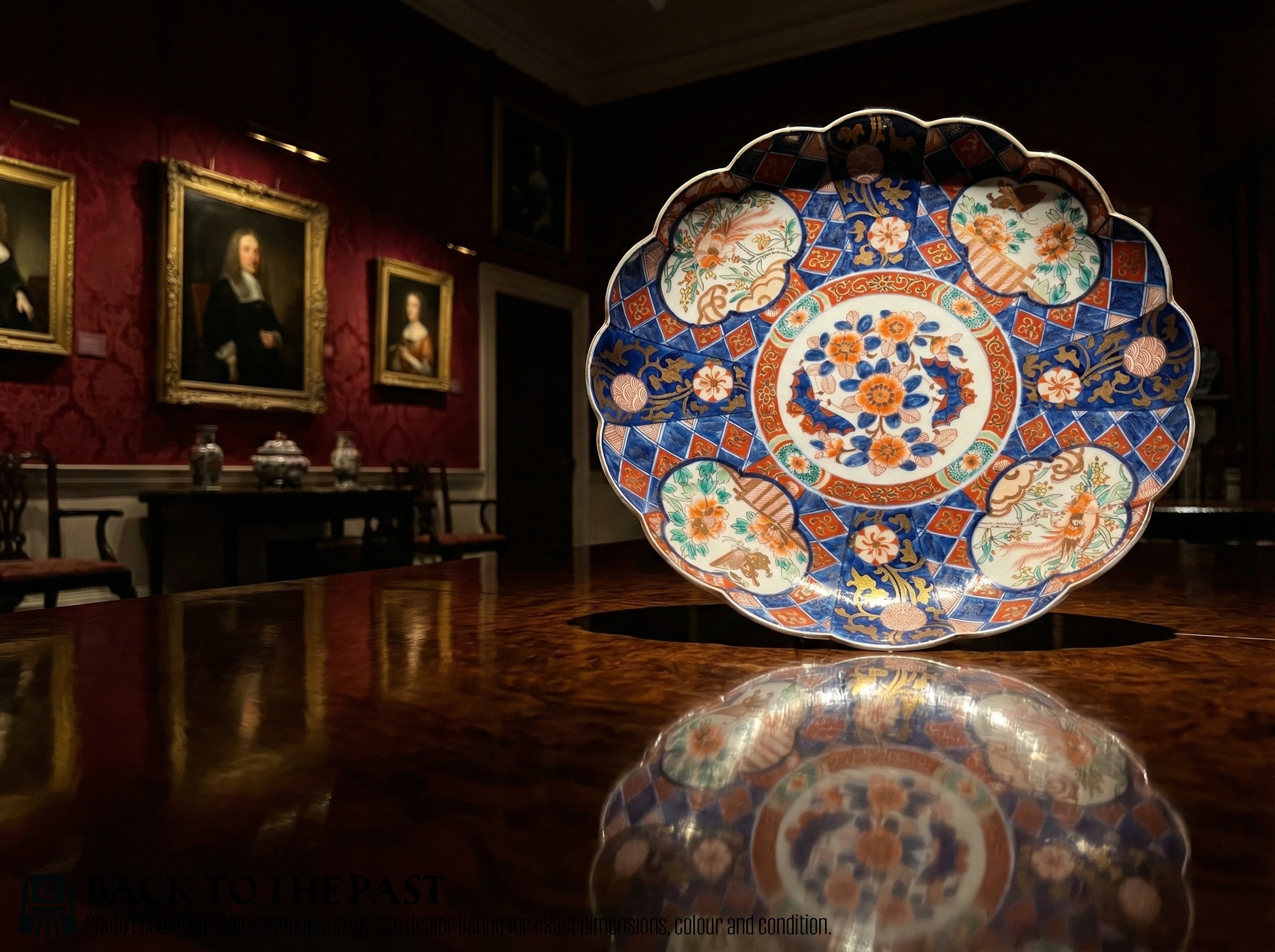
When you search for an oriental ceramic wall dish, you encounter substantial decorative plates and large chargers designed primarily for display rather than dining. These pieces originate predominantly from Japanese and Chinese kilns across the late nineteenth century and the Meiji period, alongside select eighteenth-century examples.
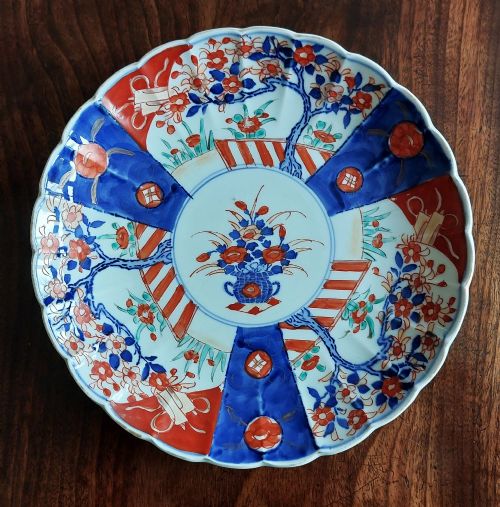
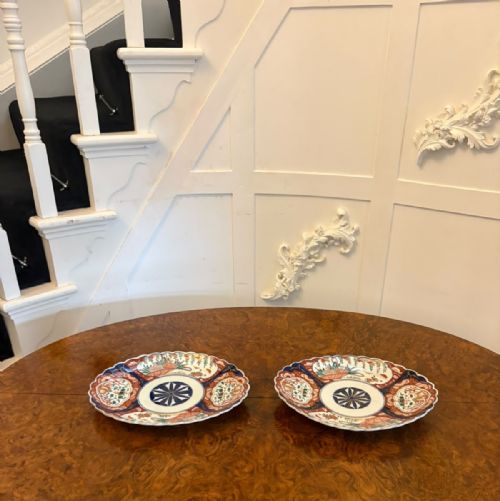
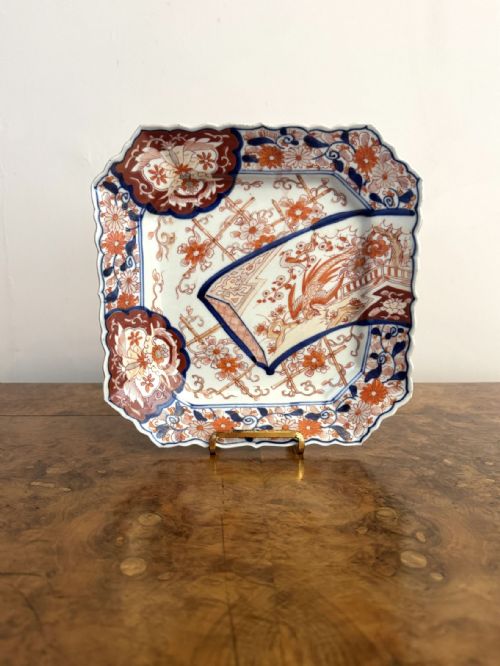
The dominant forms on this page include Japanese Imari chargers with scalloped edges, intricate Kutani porcelain plates, and Satsuma moriage dishes depicting traditional motifs like the Seven Lucky Gods, exotic birds, and floral arrangements. You also find pairs and sets alongside single large statement chargers.
The aesthetic bridges domestic interior decoration with centuries of ceramic tradition, utilising robust porcelain and earthenware bodies shaped into round, oval, and square formats suitable for wall mounting.
Materials and production methods
Potters shaped these objects from fine porcelain and earthenware, applying cobalt glaze under the surface and vibrant enamels over the glaze to build up complex pictorial scenes. Many incorporate gold leaf and rich gilt accents to highlight borders and central figures.
Makers utilised hand-painting techniques across periods spanning the Edo, Meiji, and Qing dynasties, sometimes adding raised moriage decoration to create tactile surfaces on Satsuma wares.
Several plates depict the Seven Lucky Gods, reminding us that even antique walls benefit from a solid divine committee.
Distinguishing quality across the collection
The standard of painting separates ordinary production from superior pieces, with master artists achieving finer brushwork, greater depth in cobalt blue tones, and more precise application of enamel and gold leaf. Compositional balance and the crispness of scalloped or square moulded edges also mark out the finer examples.
Completeness within sets and pairs influences desirability, as matched groups of plates or balanced pairs of chargers demand greater skill in original production and survive less often in uniform condition.
Koshida
The Oriental Ceramic Wall Dish Glossary
- Imari
- A style of Japanese porcelain featuring a distinctive palette of underglaze blue, iron red, and gilt. This traditional aesthetic originated in Arita and became immensely popular for export.
- Charger
- A large decorative plate intended for display on a wall, cabinet, or sideboard rather than for serving food. These substantial pieces measure significantly wider than standard dinner plates.
- Moriage
- A decorative ceramic technique using piped slip to create raised, textured dots and lines on the surface. This method adds tangible relief to floral and figurative designs.
- Meiji Period
- The era of Japanese history lasting from eighteen sixty-eight to nineteen twelve, characterised by a major surge in decorative arts produced for international export.
- Kutani
- A style of Japanese coloured porcelain known for bold pictorial designs and rich polychrome enamels. These pieces frequently depict natural scenes and figures.
Oriental Ceramic Wall Dish: Frequently Asked Questions
How do I hang a wall dish safely?
Displaying these heavy plates securely requires a specialist spring-loaded wire hanger designed specifically to distribute weight evenly around the rim without slipping.
Ensure the mounting hook in your wall anchors firmly into solid brick or utilises a proper plaster fixing suited to the substantial weight of porcelain chargers.
How do I date an Imari charger?
Dating relies on examining the weight of the porcelain body, the depth of the underglaze cobalt blue, and the specific vibrancy of the iron red and gilt enamels. Late nineteenth-century Meiji examples often display brighter, busier palettes compared to earlier eighteenth-century pieces.
Additionally, foot rings and firing marks on the unglazed base provide clues regarding the production period and regional kiln origin.
Can these dishes be used for food?
Historical export wares and antique decorative chargers are generally intended strictly for display and visual appreciation rather than culinary use. Over centuries, surface enamels and glazes may have acquired microscopic wear or absorbed residues that make them unsuitable for serving meals.
Keeping them on the wall also protects the delicate gold leaf and hand-painted enamel details from modern detergents and cutlery damage.
What is the difference between Imari and Kutani?
Imari ware traditionally relies on a strict palette combining underglaze cobalt blue with iron red and gilt highlights, frequently featuring symmetrical panel designs. Kutani porcelain utilises a much broader, bolder range of polychrome enamels dominated by greens, purples, and yellows.
While both originated in Japan during distinct historical windows, their visual impact on a wall display differs entirely through colour choice and brushwork style.