

Antique China Charger
An antique china charger brings monumental scale and intricate hand-painted detail to a wall or table, originating from centuries of ceramic tradition across Europe and Asia.
Antique China Charger
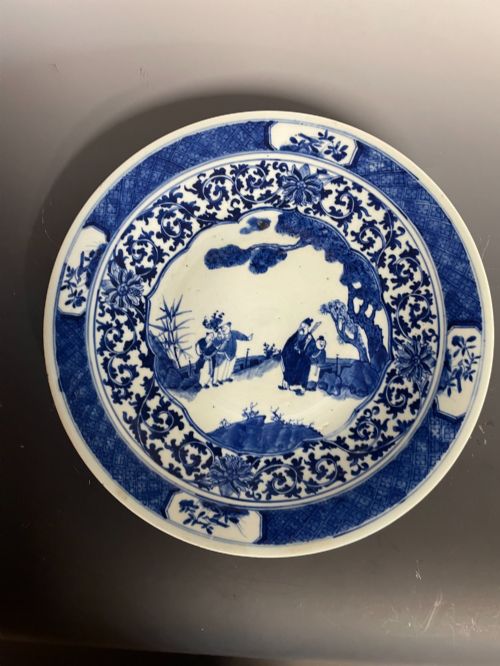
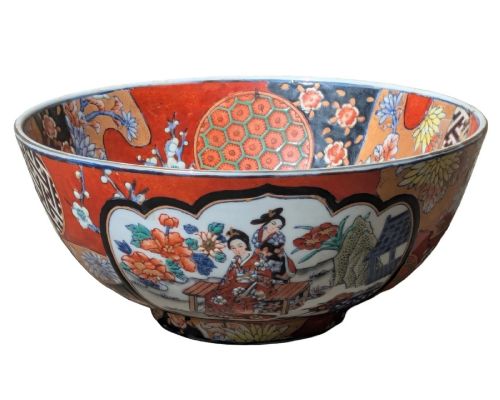
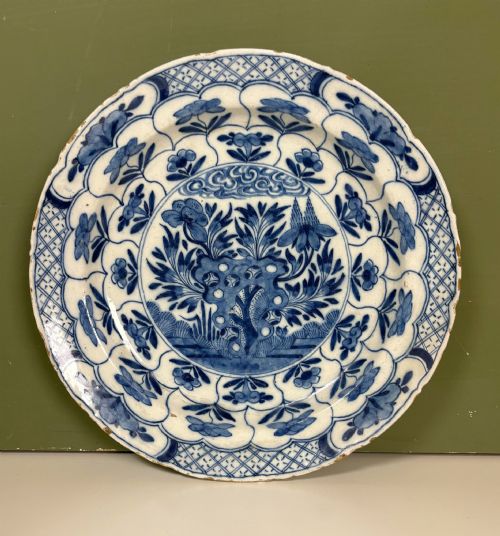
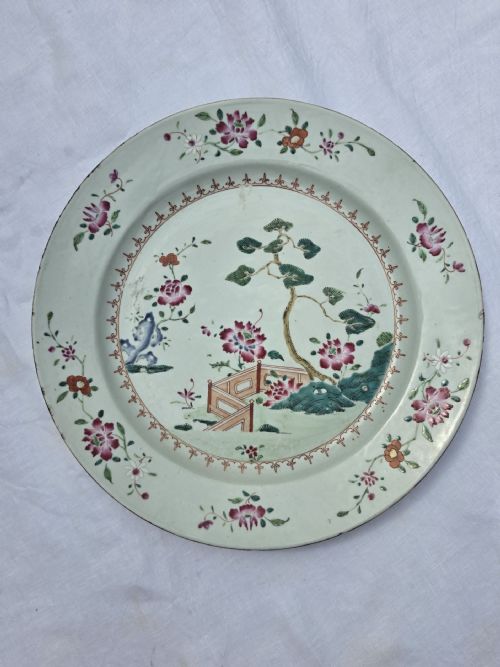
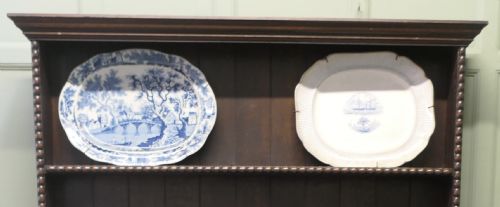
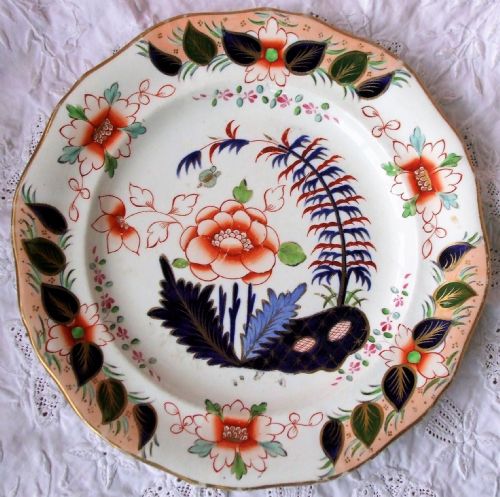
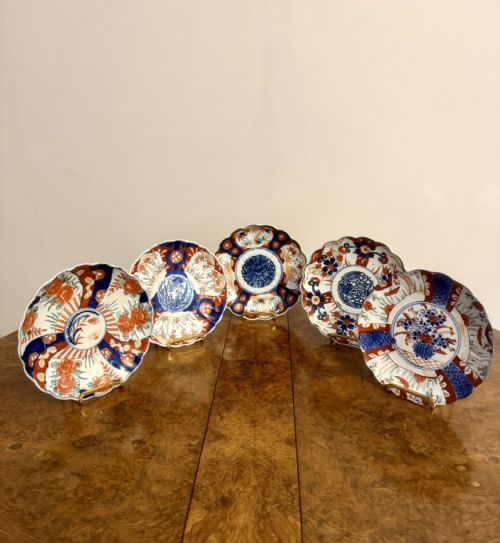
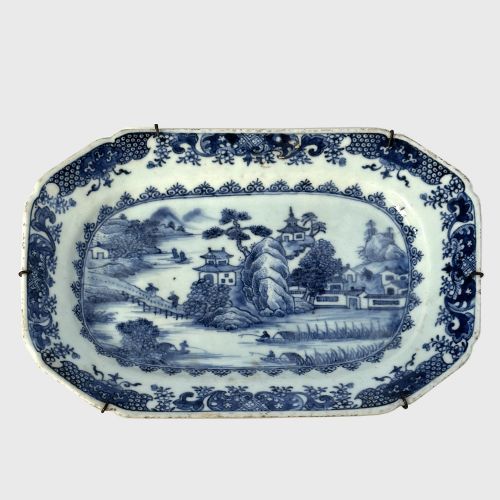
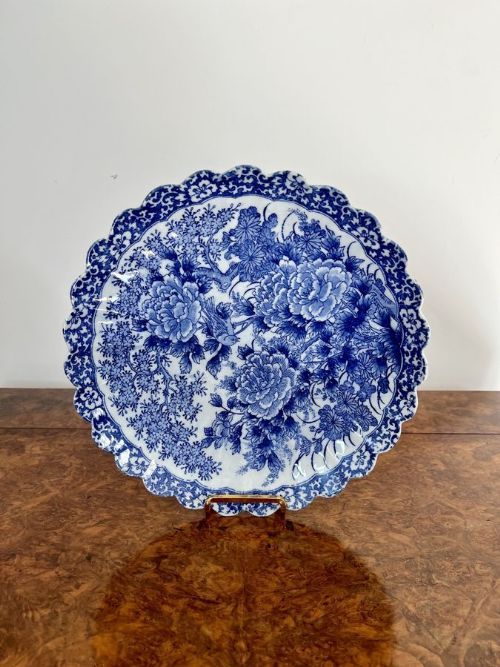
When searching for an antique china charger, collectors encounter large serving platters, display plates, and decorative dishes designed to command attention in domestic settings. These items span from eighteenth-century Chinese export porcelains and Dutch Delft earthenwares to nineteenth-century English ironstones and Japanese Imari ceramics.
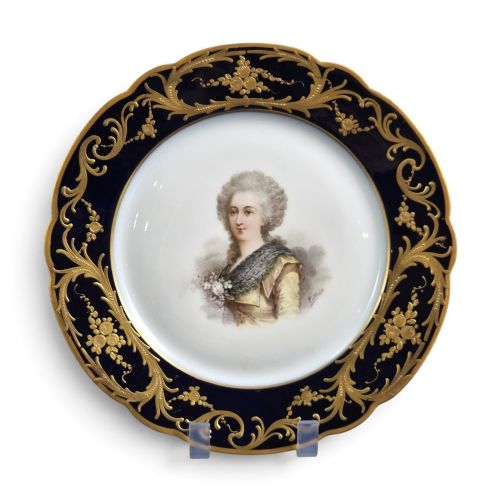
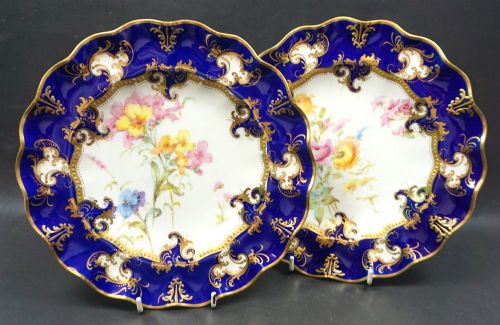
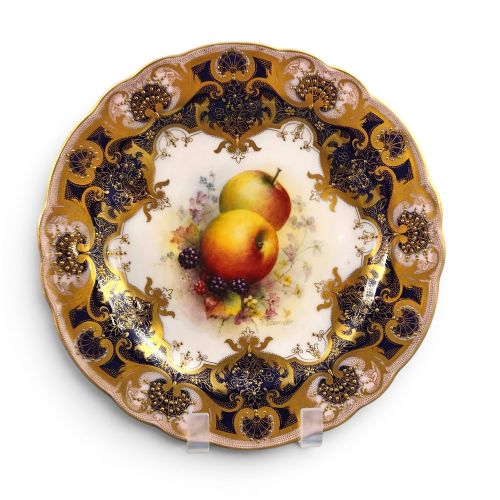
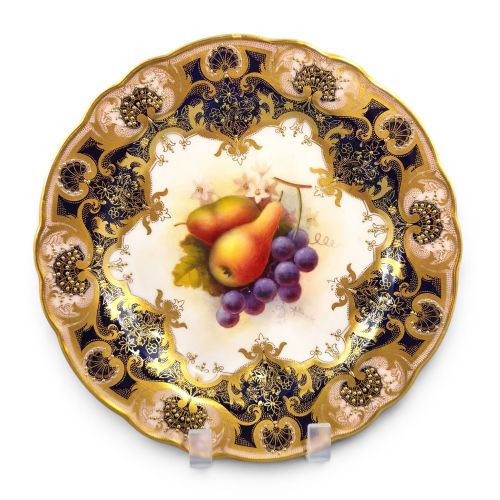
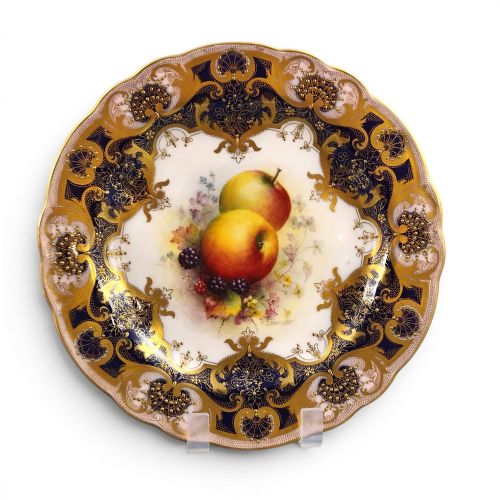
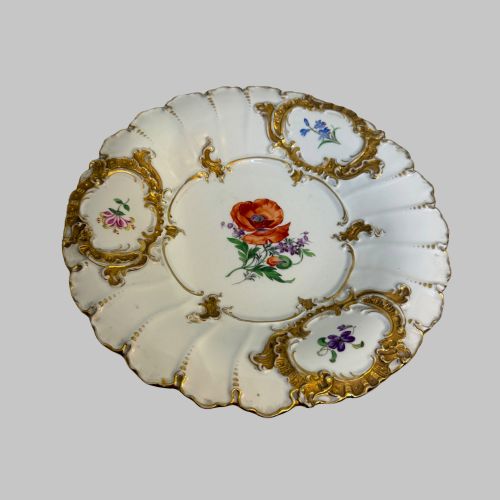
The pieces appearing on this page range from early Georgian armorial plates and Qing Dynasty porcelain to Victorian and twentieth-century cabinet plates painted by notable makers. Buyers most frequently meet large blue and white chargers, scalloped Imari bowls, and hand-painted fruit plates bearing rich cobalt pigment and gilt details.
How they were made
Potters shaped ceramic, porcelain, and ironstone bodies by hand or on wheels before applying cobalt pigment, enamel, and glaze to the surface. Many pieces received multiple firings in kilns to set intricate underglaze blue designs or overglaze polychrome scenes.
Finishing touches often involved the application of gold leaf and rich gilt borders to highlight hand-painted portraits, armorial crests, and botanical motifs. Makers utilised refined earthenware and hard-paste porcelain to achieve both durability and delicate translucency.
Listings feature porcelain, earthenware, and ironstone materials decorated with cobalt pigment, gold leaf, and enamel across the eighteenth, nineteenth, and twentieth centuries.
What varies in quality
The standard of painting determines much of the distinction across these large plates and dishes, separating standard transfer-printed wares from meticulously hand-painted artist commissions. Works bearing signed botanical studies or detailed heraldic crests demonstrate superior draughtsmanship and higher workshop ambition.
Material refinement and the preservation of original gilding and enamel colours also dictate the standing of a piece. Early porcelain bodies with crisp potting and minimal firing imperfections represent the more accomplished end of historical ceramic production.
John Ford·Royal Crown Derby·Royal Worcester·John Davenport of Longport·Meissen·Copeland·Pucher Deroche·Royal Vienna
The Antique China Charger Glossary
- Charger
- A large decorative plate or serving platter, traditionally positioned beneath smaller course plates or displayed upright on a sideboard. These substantial ceramic pieces often exceed standard dining dimensions.
- Imari
- A style of Japanese porcelain featuring characteristic iron red, cobalt blue, and gilt colour palettes. Originating in the Edo period, the aesthetic gained immense popularity across European households.
- Cabinet Plate
- A decorative plate intended strictly for display in a cabinet or on a wall rather than for practical dining use. These items frequently showcase elaborate hand-painted portraits or fruit scenes.
- Armorial
- A ceramic design featuring a painted family crest, coat of arms, or heraldic insignia. Such plates were often commissioned by noble families through Chinese export trade routes.
- Delft
- A tin-glazed earthenware produced in the Netherlands, known for its absorbent white surface and deep blue pigment. Pieces often emulate Chinese porcelain designs from earlier dynasties.
Antique China Charger: Frequently Asked Questions
How were antique china chargers used?
These large ceramic platters served functional roles on formal dining tables for presenting substantial joints of meat or communal courses.
Over subsequent generations, many transitioned into decorative display items, hung on walls or exhibited upright on cabinets to showcase intricate painted artistry.
How do I identify Chinese export chargers?
Chinese export pieces from the eighteenth century typically exhibit specific potting characteristics, such as gritty foot rims and vibrant famille rose enamels or deep cobalt blue underglazes.
Many feature armorial crests commissioned specifically for European aristocratic families through international trade ports like Canton.
What is Japanese Imari ware?
Japanese Imari ware is a distinct style of porcelain defined by its striking palette of rich cobalt blue, iron red, and abundant gold leaf details.
These pieces frequently display complex floral and panelled motifs that heavily influenced European ceramic factories during the nineteenth century.
How should I display a heavy charger?
Displaying heavy ceramic chargers and platters safely requires sturdy wall brackets or dedicated plate stands designed to support substantial weight.
Positioning them away from direct sunlight and high-traffic household areas helps preserve delicate overglaze enamels and original gilding.