
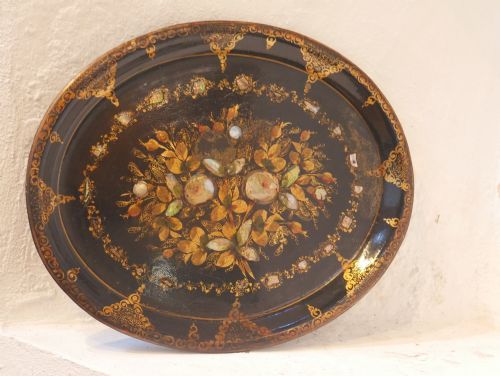

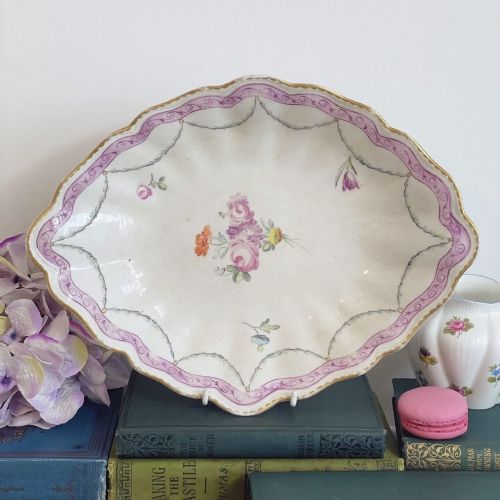
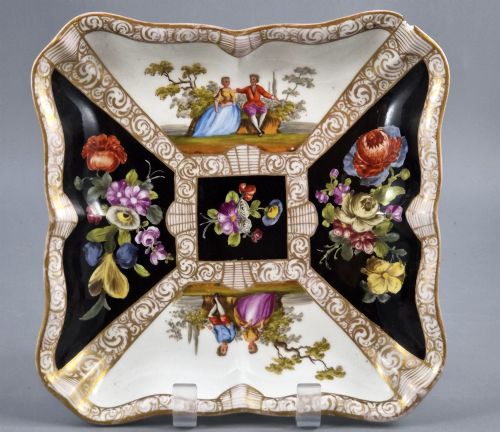
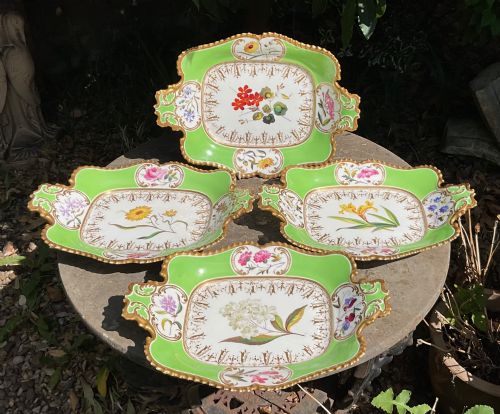
Floral Serving Dish
A floral serving dish brings painted blossoms to the table, combining functional utility with decorative charm across various ceramic and porcelain traditions.
Floral Serving Dish
A floral serving dish encompasses a range of domestic vessels designed for presenting food, including platters, tureens, and trays. These pieces bridge the gap between utility and display, often forming part of larger dining or dessert services from past centuries.
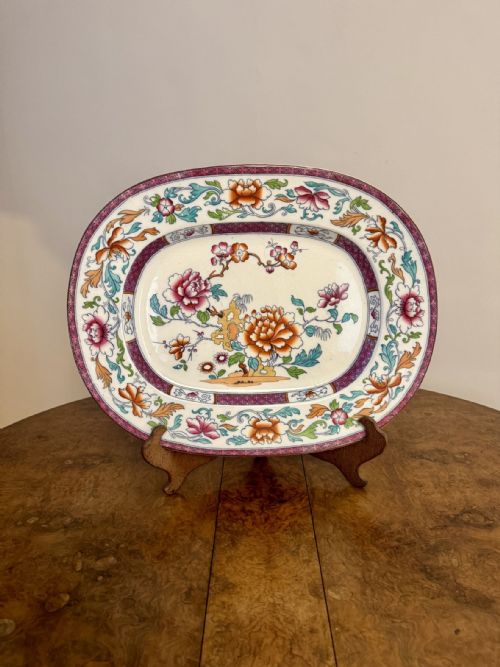
The pieces on this page span several eras, with a strong representation of nineteenth-century English porcelain and earthenware alongside eighteenth-century Continental examples. Buyers encounter everything from transfer-printed platters to hand-painted botanical bowls intended for formal dining.
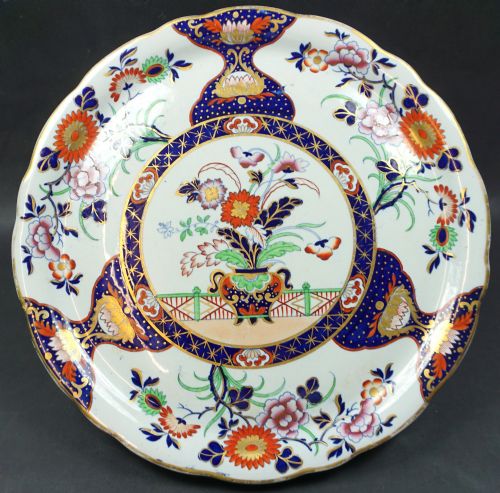
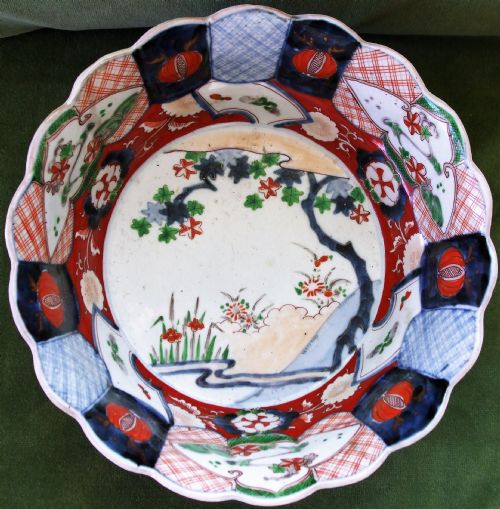
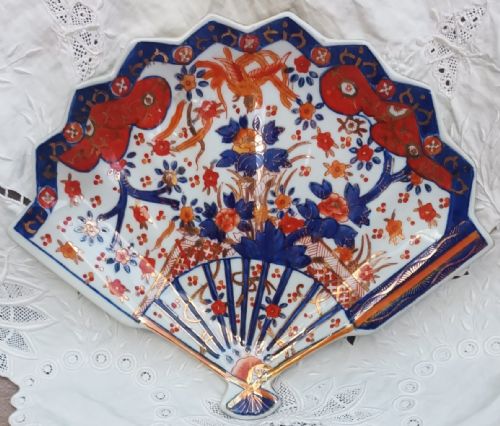
Japanese Imari wares also feature prominently among these listings, bringing distinctive scalloped edges and cobalt-and-gold floral palettes into the mix. This variety allows collectors to choose between understated domestic earthenware and vibrant export porcelain.
How They Were Made
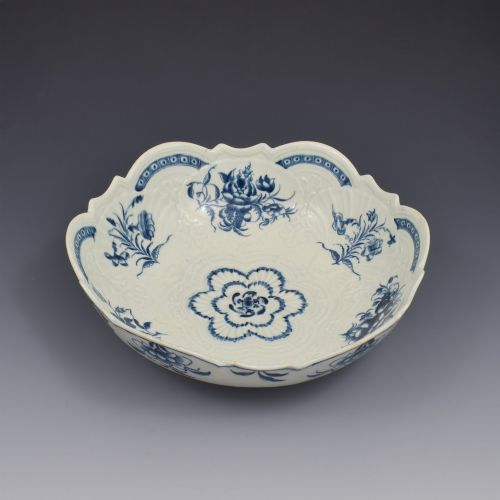
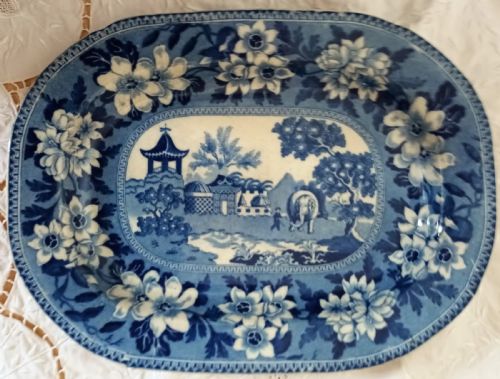
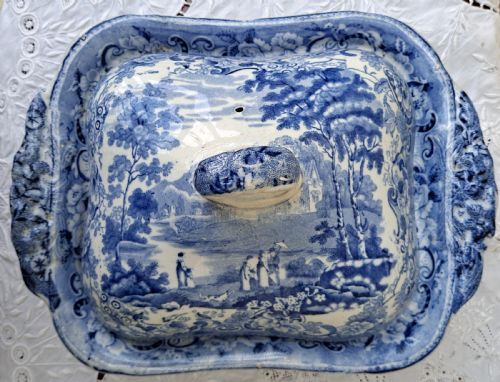
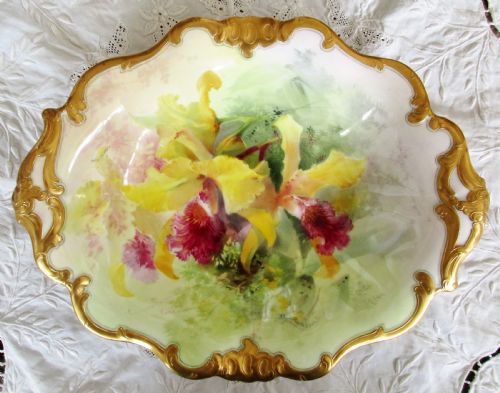
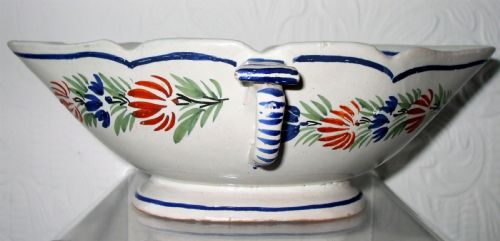
Potters utilised materials such as fine porcelain, earthenware, and ironstone, shaping them into platters, tureens, and square dishes before applying glazes. Many items received underglaze blue transfer printing, while others relied on hand-painted polychrome pigments to depict naturalistic floral sprays and birds.
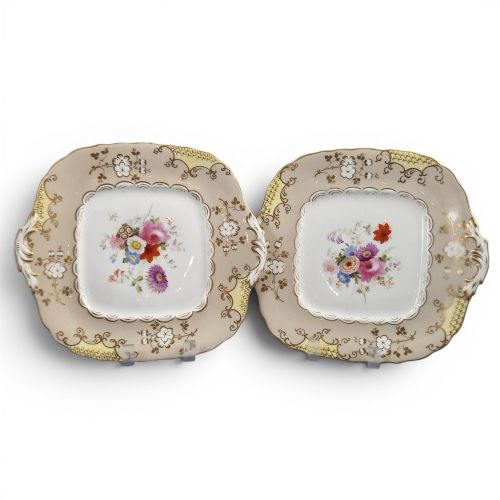
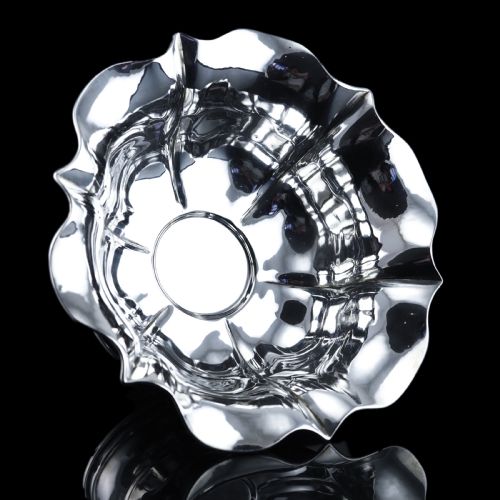
Gilding and gold leaf often highlight the rims and borders of nineteenth-century dessert sets, applied over the glaze and fired to fix the metallic sheen. Silver plating and solid silver also appear in the record, showing engraved floral motifs executed by metalworkers.
A few dishes carry the distinct footprints of eighteenth-century kiln furniture left behind in the glaze.
What Varies in Quality
The standard of a floral serving dish depends heavily on the precision of its hand-painted details and the crispness of its transfer printing. Superior pieces display finely blended enamel colours and carefully rendered botanical details rather than hurried brushwork.
The reputation of the maker and the purity of the porcelain body also dictate the standing of a piece within its period. High-grade items retain their original gilt highlights and show minimal firing imperfections in the glaze.
H & R Daniel·Chamberlains Worcester·Hicks & Meigh·John Rogers & Son·James Wallace & Co·David Dewsberry·Coalport·Mann & Co·Minton·Carlton Ware·Paul Müller Selb·Walker & Hall·Masons
The Floral Serving Dish Glossary
- Porcelain
- A hard, vitreous ceramic material fired at high temperatures, valued for its white body and translucency. It forms the base of many fine serving dishes.
- Imari
- A style of Japanese export porcelain featuring a distinct palette of cobalt blue, iron red, and gold, often depicting floral and garden motifs. It gained immense popularity in European interiors.
- Tureen
- A deep covered bowl used for serving soups or vegetables at the table. These vessels often match the broader design of a dinner service.
- Transfer printing
- A method of applying a printed design to ceramic ware by pressing a paper sheet engraved with pigment against the biscuit or glazed surface. This technique enabled consistent patterns across large dinner services.
Floral Serving Dish: Frequently Asked Questions
What were floral serving dishes used for?
These vessels served meals in domestic settings, holding meats, vegetables, cheese, or desserts during formal dining.
They moved from the kitchen or pantry to the dining table, combining practical utility with visual display for guests.
How do I date a ceramic serving dish?
Dating relies on maker marks, ceramic bodies, and decorative styles recorded in the piece's history.
Changes in glaze composition and transfer-printing techniques also help narrow down the decade of manufacture.
Can I use antique serving dishes daily?
Many collectors prefer to display these pieces rather than subject them to modern dishwashers and daily wear.
Gentle hand washing preserves fragile enamels and delicate gold leaf on older porcelain and earthenware.
What is the difference between earthenware and porcelain?
Earthenware is a porous, opaque ceramic fired at lower temperatures, commonly used for robust domestic platters and transfer-printed wares.
Porcelain is denser, vitrified, and often translucent, suited to finer table settings and hand-painted decorative pieces.