

Antique Porcelain Tableware
Antique porcelain tableware brings hand-painted colour and historic craftsmanship to the dining room table.
What antique porcelain tableware is
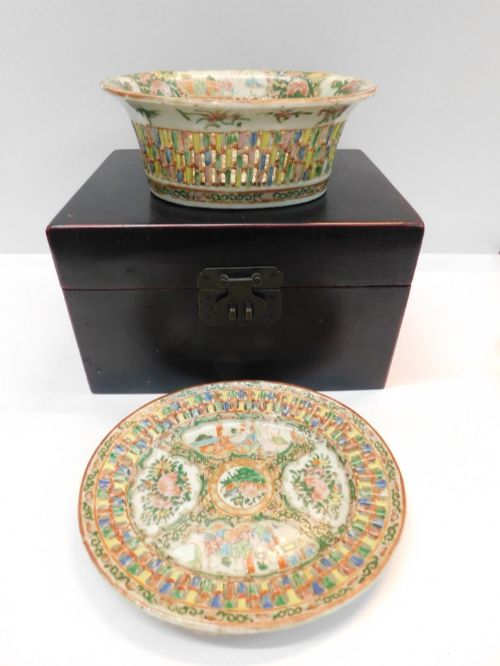
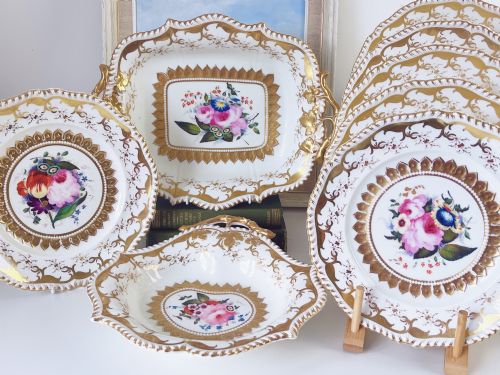
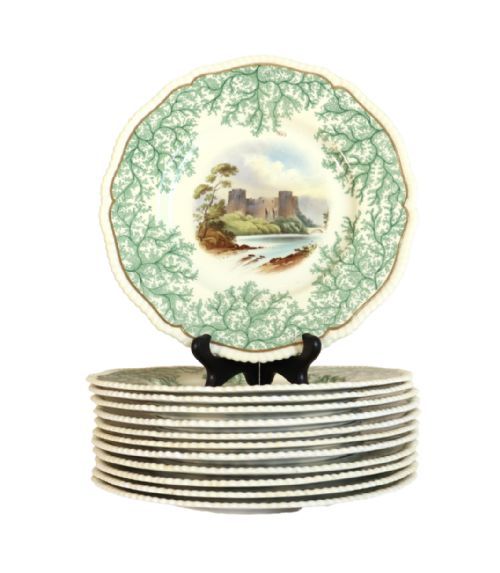
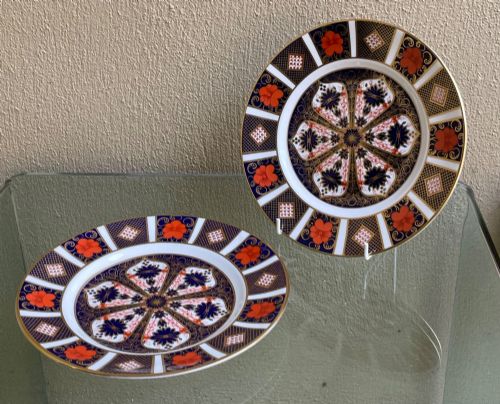
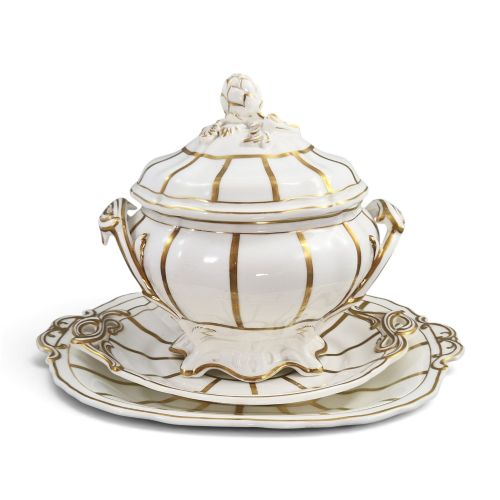
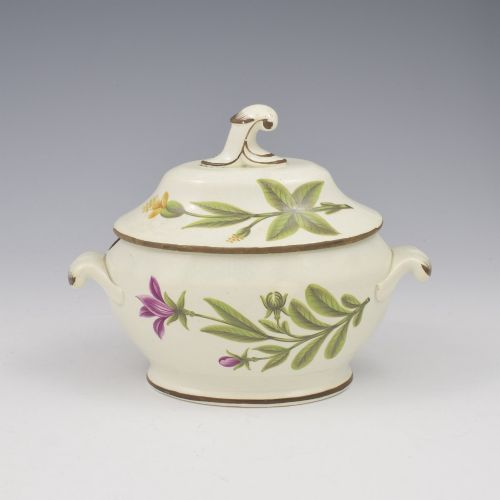
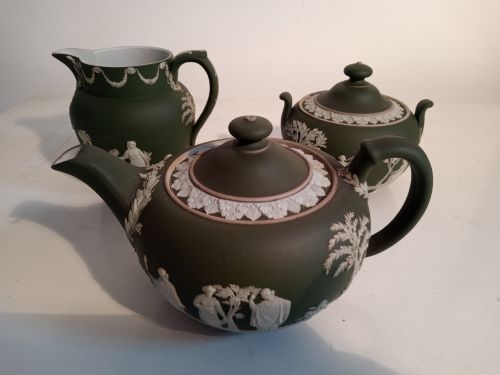
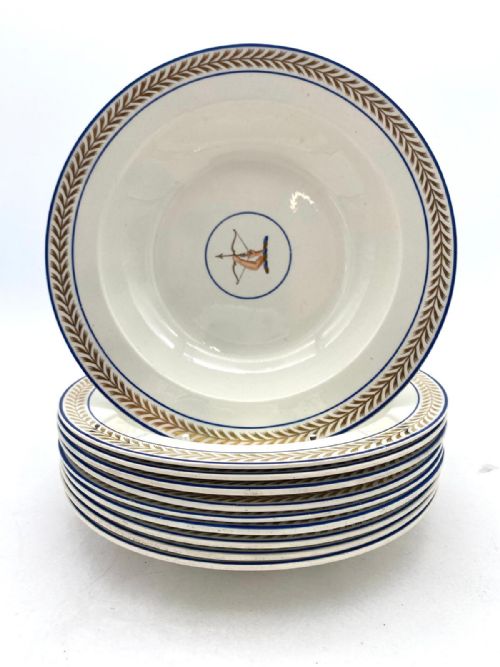
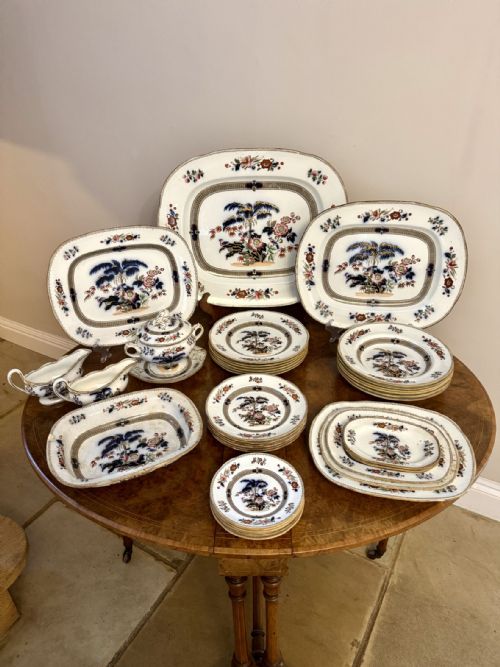
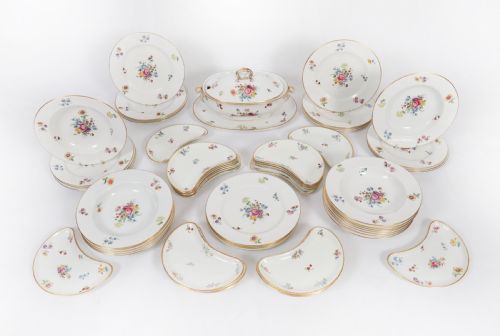
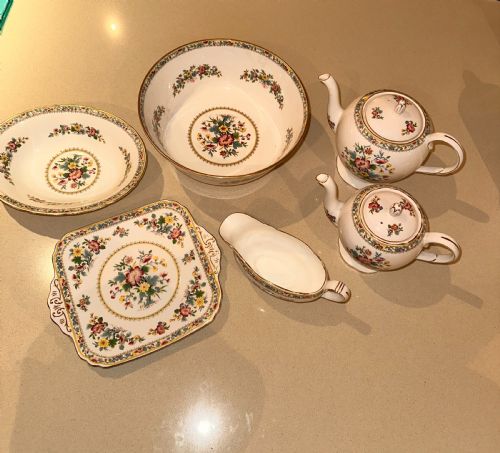
Antique porcelain tableware encompasses decorative and functional dining pieces created during the Regency, Edwardian, and mid-nineteenth-century periods. These items include cabinet plates, chocolate cups with covers and stands, dinner sets, and dessert dishes.
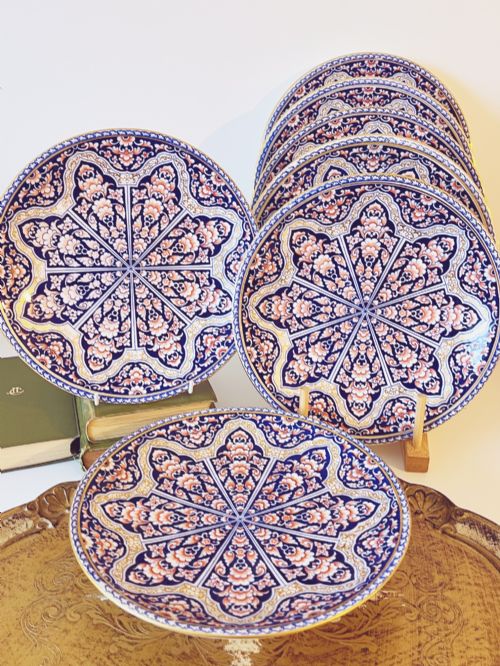
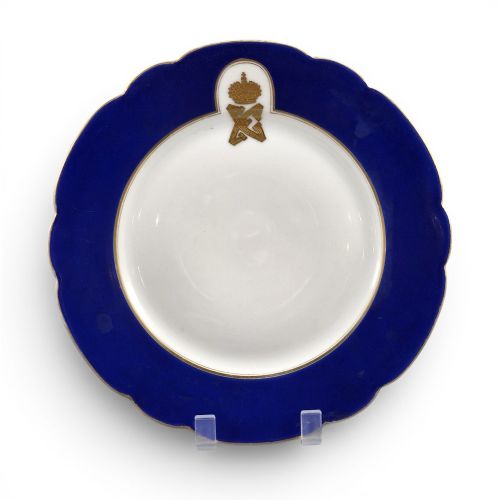
The selection ranges from English bone china plates and Worcester cups to Limoges dinner sets, Meissen dessert dishes, and Russian imperial plates. Buyers encounter diverse regional styles, including French provincial, rococo revival, and imperial Russian designs.
What varies in quality
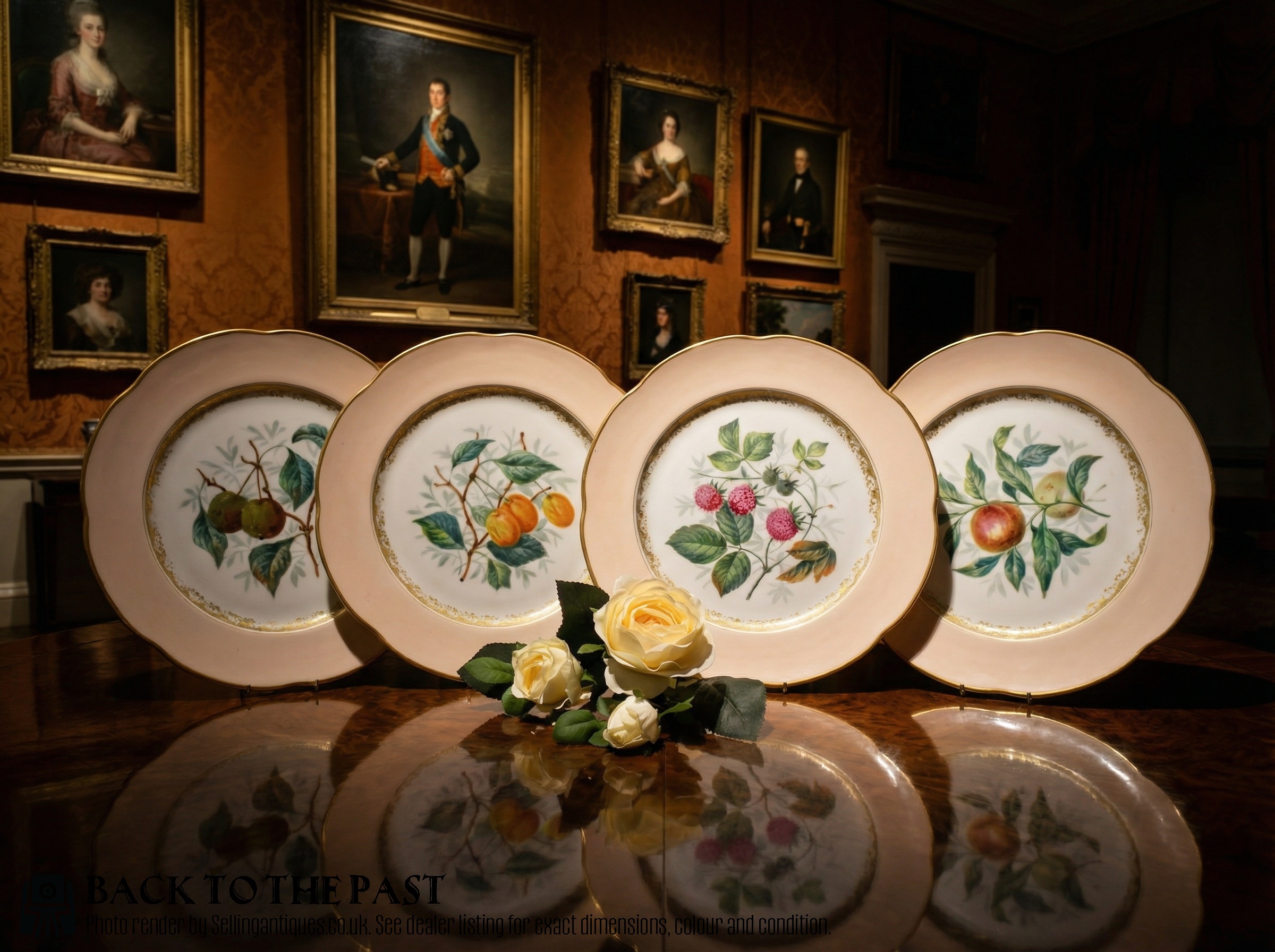
Quality rests upon the precision of the hand-painted decoration and the crispness of the moulded ceramic form. Pieces featuring detailed pictorial subjects or extensive gold leaf application demonstrate higher artistic ambition than plain utilitarian wares.
The reputation of the maker and the preservation of the delicate enamel work and gilding dictate the standing of an item within the field. Meissen, Limoges, Worcester, and Russian imperial productions each exhibit distinct manufacturing standards.
Retail Price Guide 2026
Typical UK retail prices for porcelain tableware, calculated from the Sellingantiques database of over a million retail prices indexed since 2003. This retail price guide relies exclusively on Sellingantiques data; no external sources or auction records are used, so the figures do not describe the wider market.
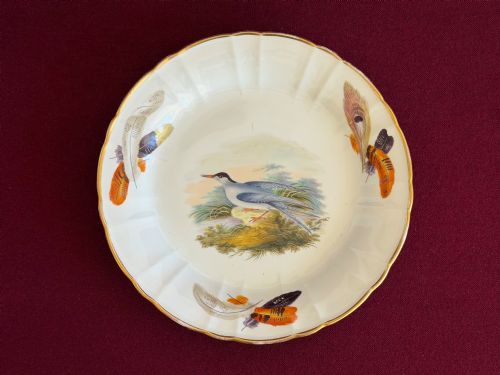
A nineteenth-century artist carefully painted a common tern onto a Wedgwood plate, preserving a single ornithological portrait in gold and enamel.
Wedgwood·Grainger's Worcester·Kornilov Brothers·Meissen
The Antique Porcelain Tableware Glossary
- Bone china
- A type of soft-paste porcelain containing bone ash, developed in England to create a durable and bright white body. It allows for thin walls while retaining strength during firing.
- Hard-paste porcelain
- A true porcelain made from kaolin and petuntse, fired at very high temperatures to produce a vitrified, translucent body. This material resists scratching and chemical wear.
- Gilt
- A thin layer of gold applied to the surface of porcelain for decorative effect. It is often burnished to achieve a bright shine.
- Enamel
- Opaque glass fused to the porcelain surface through firing, providing vibrant colours for painted designs. Enamel decoration sits slightly raised above the ceramic glaze.
- Cabinet plate
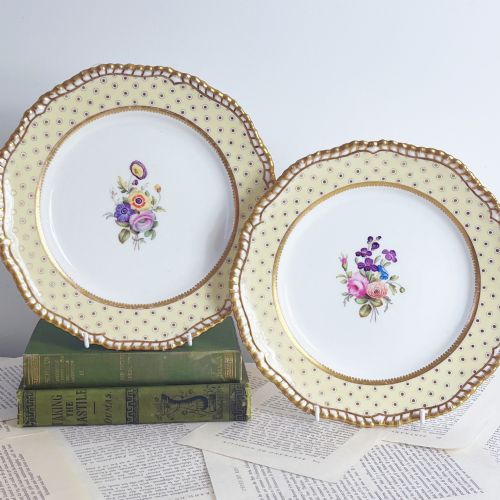
- A decorative plate intended for display in a cabinet rather than for serving food. These pieces typically feature intricate hand-painted scenes.
Frequently Asked Questions
What defines antique porcelain tableware?
Antique porcelain tableware consists of ceramic dining and display items produced during the nineteenth and early twentieth centuries. These objects include plates, cups, and sets made from hard-paste porcelain and bone china.
They reflect the prevalent decorative styles of their eras, ranging from Regency elegance to rococo revival and imperial Russian designs. Each piece showcases historical manufacturing methods and hand-painted artistry.
How do I care for antique porcelain tableware?
Care for antique porcelain tableware requires gentle hand washing in lukewarm water with mild soap. Avoid abrasive sponges and dishwashers, which can damage hand-painted enamel and gold leaf.
Store pieces with protective padding between plates to prevent chipping the rims. Display them away from direct sunlight to preserve the original colours of the painted surfaces.
How do I identify bone china versus hard-paste porcelain?
Bone china typically appears warmer in tone and shows a milky translucency when held to a strong light. Hard-paste porcelain feels harder, heavier, and colder, often displaying a brilliant white body that resists scratching.
English makers favoured bone china production, while continental European factories predominantly utilised hard-paste porcelain formulas.
Were these pieces meant for daily use?
Many items, such as dinner sets and dessert dishes, served practical functions at dining tables during the nineteenth century. Wealthy households utilised fine porcelain services for formal meals and entertaining guests.
Specialised items like chocolate cups with covers and stands catered to morning rituals in private chambers. Cabinet plates, conversely, served primarily as decorative objects for display.