



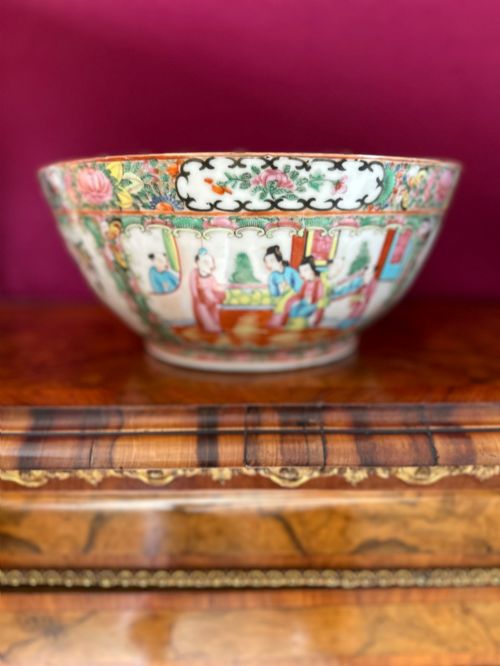
Hand Painted Ceramic Dishes
Hand painted ceramic dishes bring historic brushwork to the table, spanning English earthenware and East Asian porcelain.
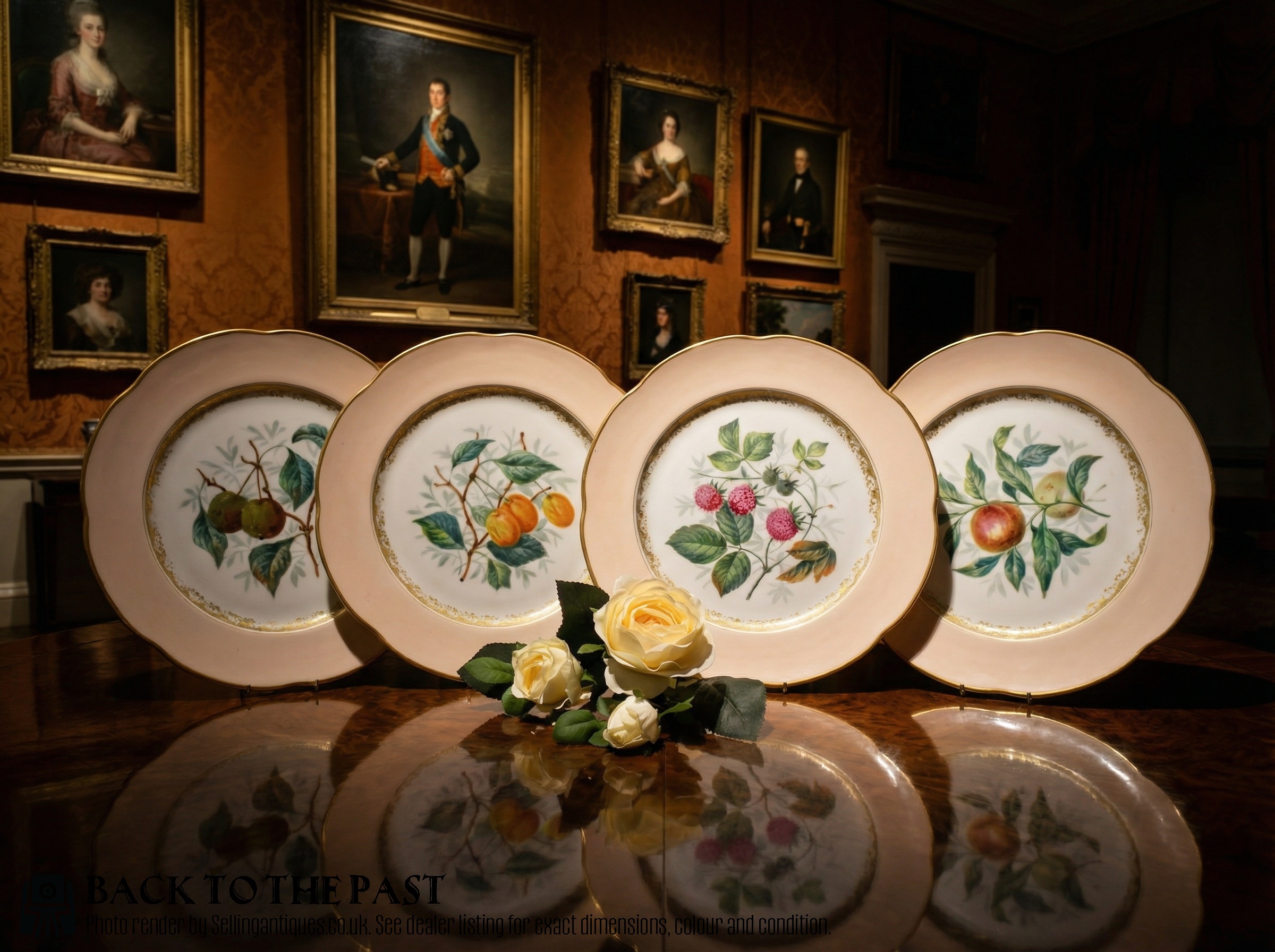
Hand Painted Ceramic Dishes
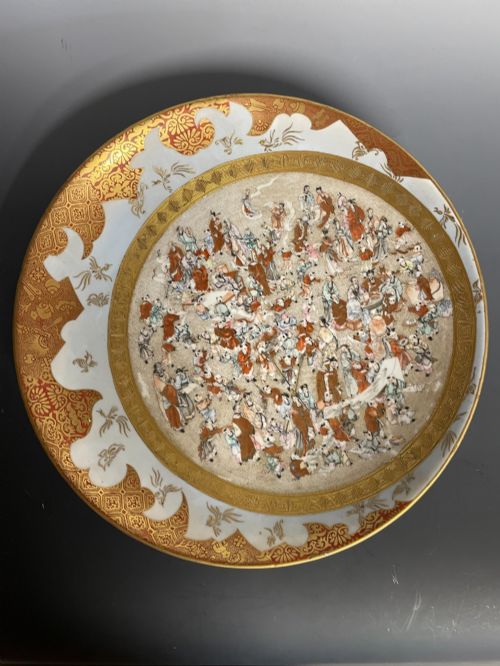
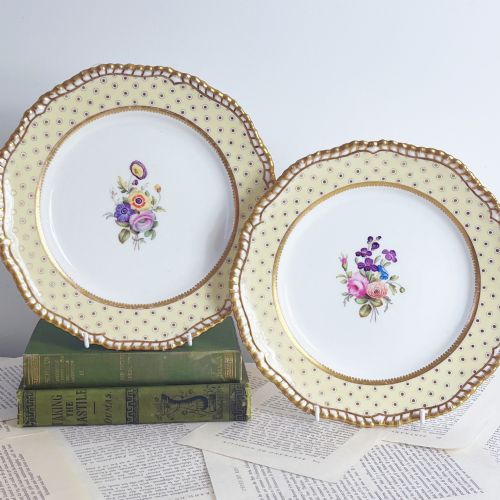
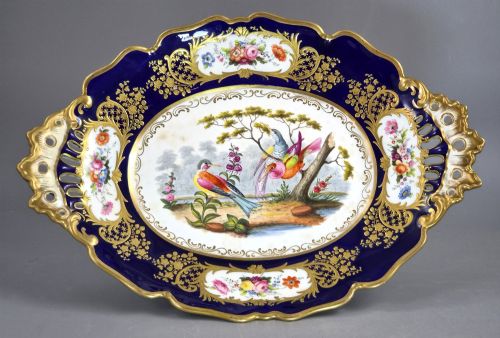
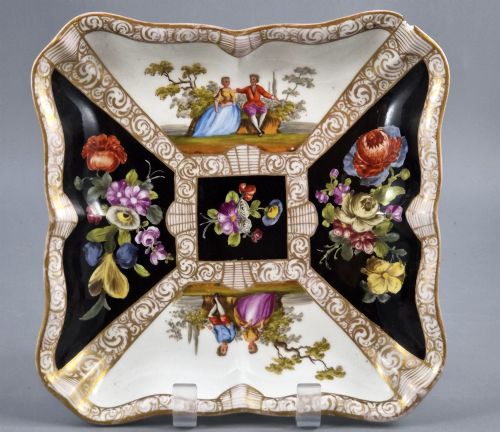
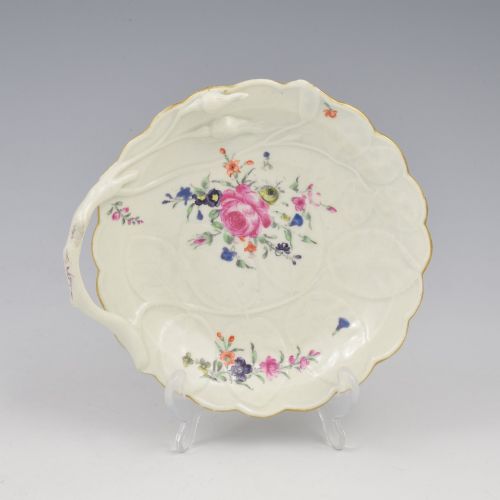
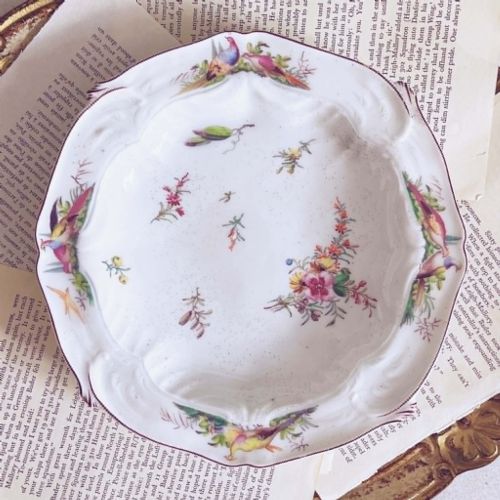
Hand painted ceramic dishes encompass decorative plates, chargers, bowls, and serving dishes produced across the eighteenth, nineteenth, and early twentieth centuries. Buyers seeking this phrase encounter British factories, European manufactories, and Japanese or Chinese export wares.
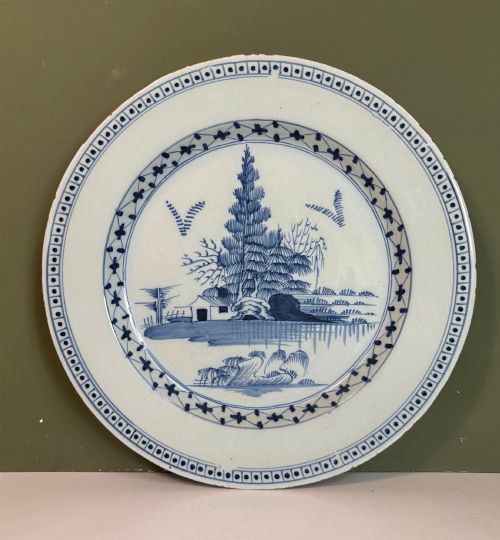
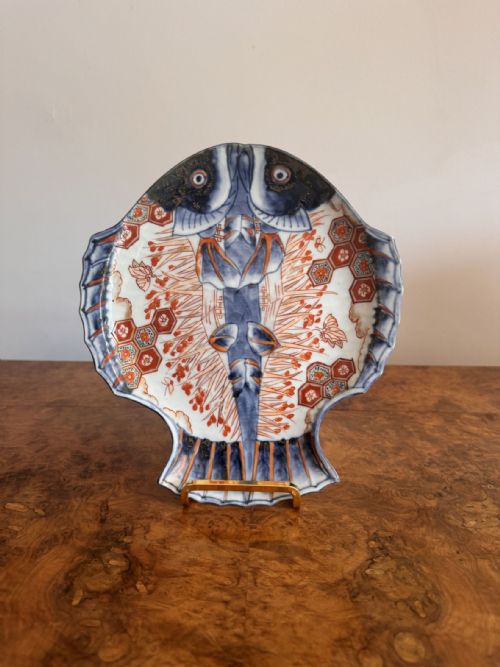
The selection ranges from Delft tin-glazed chargers and Georgian botanical pearlware to elaborate Victorian cabinet plates and Japanese Imari bowls. Domestic services and display chargers sit alongside sweetmeat dishes and sugar boxes.
How they were made
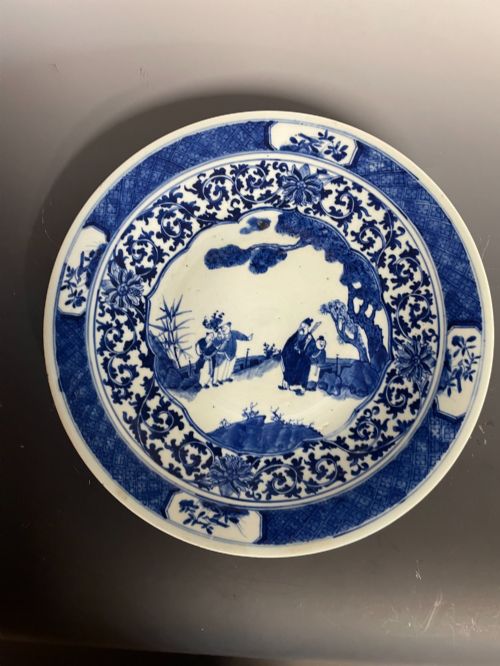
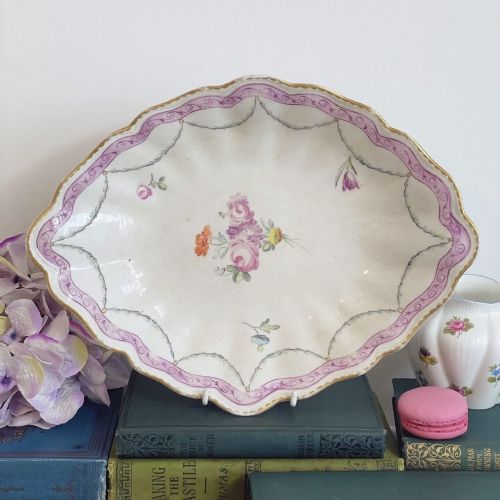
Potters formed these items from porcelain, bone china, pearlware, and earthenware, applying tin glazes or clear lead glazes over the clay body. Artisans then painted motifs by hand using enamel colours, cobalt blue underglaze, and occasional gold leaf or gilding.
Kiln firing set the pigments into the glaze, with multi-stage firings required for intricate polychrome scenes and overglaze gilding. Moulded details, scallop edges, and pierced handles frequently shaped the ceramic blanks prior to painting.
Listings feature porcelain, earthenware, and pearlware decorated with gold leaf, enamel, and tin glazes across multiple centuries.
What varies in quality
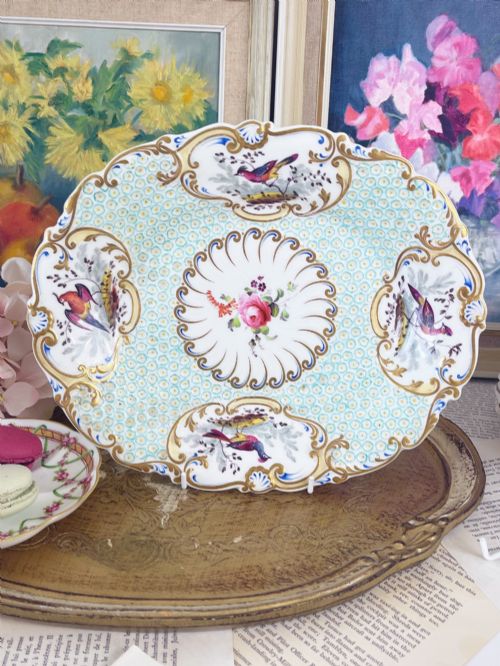
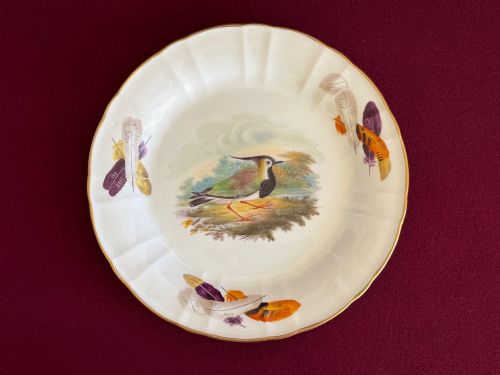
Quality rests upon the precision and ambition of the hand painting, from simple floral sprays to detailed ornithological studies and Watteau figures. Superior examples display confident brushwork and balanced compositions executed by named painters or major works.
The refinement of the ceramic body and glaze also dictates worth, distinguishing heavy utilitarian earthenware from translucent porcelain blanks and crisp bone china. Intricate moulding, gilding retention, and well-preserved enamel colours separate standard domestic output from exhibition-tier cabinet pieces.
Spode Felspar·H and R Daniel·Wedgwood Bone China·Derby·Coalport·Meissen Porcelain·Dr Wall Worcester·Chelsea·Flight Barr and Barr·KPM Berlin·Chamberlains Worcester·Royal Worcester·Royal Crown Derby·Swansea Pearlware
The Hand Painted Ceramic Dishes Glossary
- Charger
- A large ornamental or serving plate designed for display or formal dining. These substantial dishes often feature complex painted scenes across their wide borders.
- Imari
- A Japanese export style characterised by iron red, underglaze blue, and gold ornamentation. European factories frequently copied these vibrant colour schemes.
- Pearlware
- A refined earthenware developed during the Georgian period with a bluish glaze that pooled in recesses. It provided a whiter surface for painted botanical and landscape designs.
- Tin glaze
- An opaque white glaze containing tin oxide applied to earthenware bodies before painting. This technique defines traditional Delftware vessels.
- Sweetmeat dish
- A small vessel created for serving confectioneries, nuts, or sweet preserves. They often arrived in matched sets or moulded shapes.
- Cabinet plate
- A high-status decorative plate intended for display in a cabinet rather than dining use. Painters typically filled these surfaces with fruit, birds, or figurative artwork.
Hand Painted Ceramic Dishes: Frequently Asked Questions
How do I display antique ceramic dishes safely?
Cabinet plates and chargers suit secure wall mountings or dedicated plate stands inside enclosed display furniture. Avoid direct sunlight to protect fragile enamel pigments and gold leaf from fading over time.
Ensure any hanging wire or bracket bears the weight without pinching the ceramic rim. Felt pads prevent friction between the metal support and the glazed foot ring.
How do I identify Chinese export porcelain?
Chinese export pieces from the eighteenth and nineteenth centuries often feature characteristic famille rose or Imari palettes. The paste varies from heavy stoneware to fine translucent porcelain depending on the dynasty and reign.
Examine the foot rim for unglazed clay and traditional potting marks. Stylised floral borders and hand-painted motifs distinguish export wares from later European imitations.
What is the difference between porcelain and earthenware?
Porcelain is fired at extremely high temperatures to create a dense, white, and often translucent ceramic body. Earthenware is a more porous, coarser material that requires an opaque tin glaze or clear lead glaze to remain watertight.
Delftware represents the primary earthenware tradition on this page, while factories like Worcester and Meissen utilised hard-paste or soft-paste porcelain.
How do I date a hand painted plate?
Dating relies on factory marks, glaze characteristics, and painting styles associated with specific periods like the Regency or Victorian eras. Cobalt blue underglaze marks and painted pattern numbers offer clues to the decade of manufacture.
Compare the ceramic body, foot ring style, and colour palette against documented examples from the same factory. Wear patterns on the base help confirm age through genuine handling history.