


Lead Glazed Earthenware
Lead glazed earthenware items bring tactile warmth to a room, offering centuries of utilitarian and decorative history.

Lead Glazed Earthenware
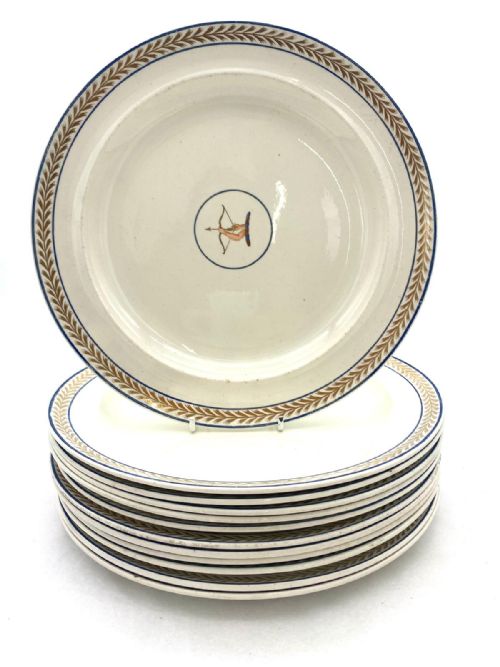
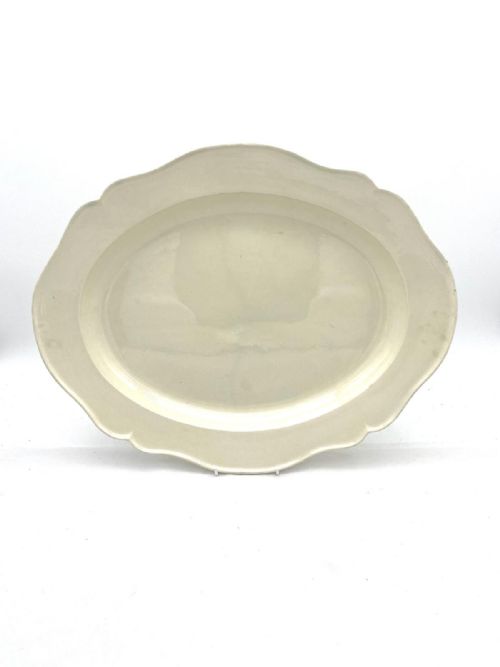
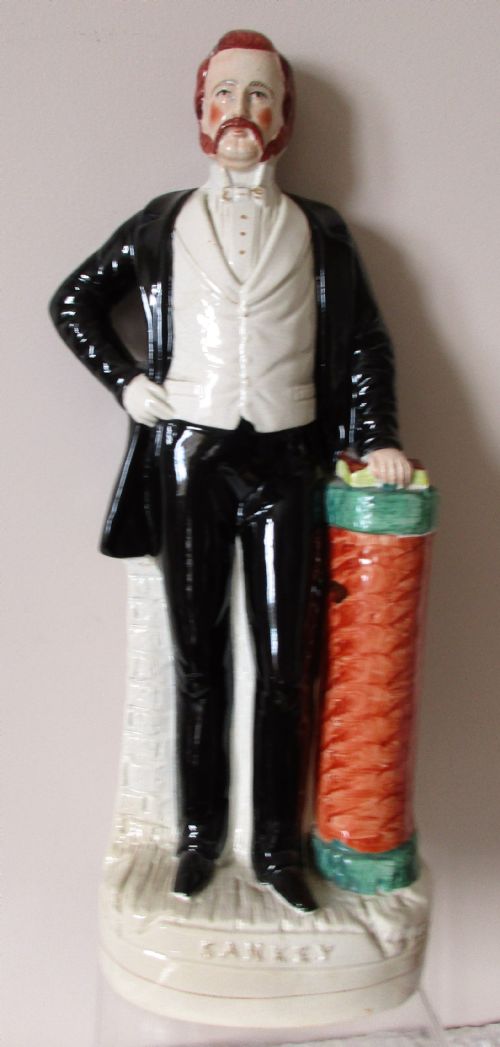
When you search for lead glazed earthenware, you encounter a diverse group of objects spanning domestic vessels and display pieces. The selections on this page range from early seventeenth century slipware jugs to eighteenth century creamware plates and nineteenth century majolica compotes.
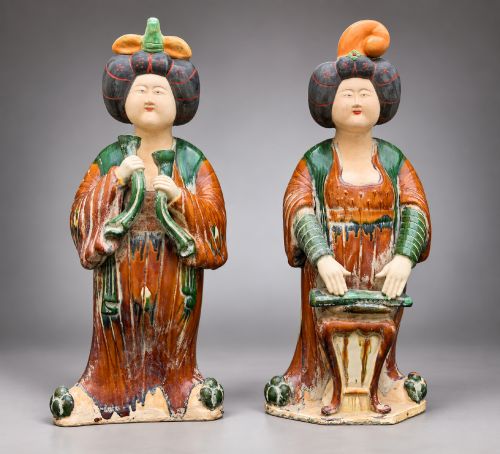
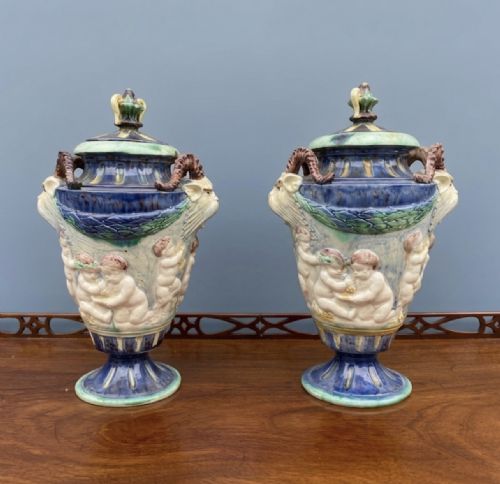
You are most likely to meet utilitarian forms like chargers, tankards, and dessert services alongside decorative figures and urns. These pieces originate from English, Dutch, and Chinese stylistic traditions, reflecting varied regional pottery practices.
The objects demonstrate how makers adapted porous clay bodies using metallic glazes to create functional containers. Collectors value these items for their direct connection to historical domestic life and traditional ceramic techniques.
Materials and Techniques
Potters shaped local clays into utilitarian and decorative forms before applying liquid mineral glazes. These coatings vitrified during firing to seal the porous earthenware bodies against moisture.
Makers utilised slip decoration, enamel paint, and moulded relief work to ornament surfaces. The resulting pieces combined structural utility with expressive textures and vibrant colour palettes.
One cheerful nineteenth century majolica dish takes the exact shape of a crinkled begonia leaf, ready to hold your afternoon biscuits.
Assessing Quality
Quality rests on the crispness of moulded detail and the evenness of the glaze application across the earthenware body. Superior examples display controlled pigment flow and well-preserved surface decoration without distracting firing flaws.
The skill of the potter dictates the balance of the form and the clarity of painted or slip-trailed motifs. Pieces that retain their original colouring and structural integrity command greater attention from collectors.
Wedgwood·Enoch Wood and Sons·Lakin and Poole
The Lead Glazed Earthenware Glossary
- Slipware
- Pottery decorated with slip, which is a liquid mixture of clay and water. Makers trailed or brushed this mixture onto a contrasting clay body before glazing.
- Majolica
- A type of earthenware coated with an opaque tin or lead glaze and painted with metallic oxide colours. Victorian examples often celebrate naturalistic forms such as leaves and animals.
- Comport
- A raised bowl or dish used for serving fruit or dessert. These footed vessels sat centrally on dining tables during formal meals.
- Sancai
- A traditional Chinese three-colour glaze technique often emulated in later revival styles. It relies on amber, green, and cream or white tones that run naturally during the kiln firing.
Lead Glazed Earthenware: Frequently Asked Questions
What is lead glazed earthenware?
Lead glazed earthenware consists of porous pottery fired with a silica and lead compound that melts into a glassy coating. This historic technique waterproofed domestic vessels while imparting a glossy finish.
Potters across Europe and Asia utilised this method for centuries to create everything from utilitarian jugs to ornamental figures.
How do I care for antique pottery?
Display your pieces away from direct sunlight and fluctuating humidity to protect the earthenware body and glaze. Dust them gently with a dry, soft cloth.
Avoid washing historic ceramics in water, particularly pieces with hairline fractures or delicate enamel paint, as moisture can penetrate the porous clay.
Are these pieces safe for food?
Historic lead glazed earthenware is generally unsuited for modern culinary use. Early glazes can leach materials when in contact with acidic foods or liquids.
Enjoy these items primarily as decorative display objects or parts of static table settings rather than active kitchenware.
How do I date older ceramics?
Dating relies on examining the characteristics of the clay body, the formulation of the glaze, and the manufacturing style. Creamware and slipware display distinct technological markers tied to specific centuries.
Comparing potting techniques, forms, and recorded maker styles helps narrow down the period of creation.