


Brown Ceramic Pitcher
A brown ceramic pitcher brings earthy weight and utilitarian craft to any table, offering centuries of functional artistry.

What they are
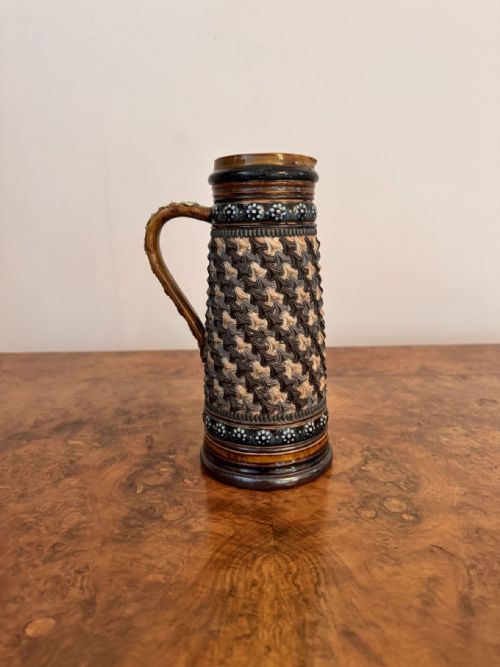
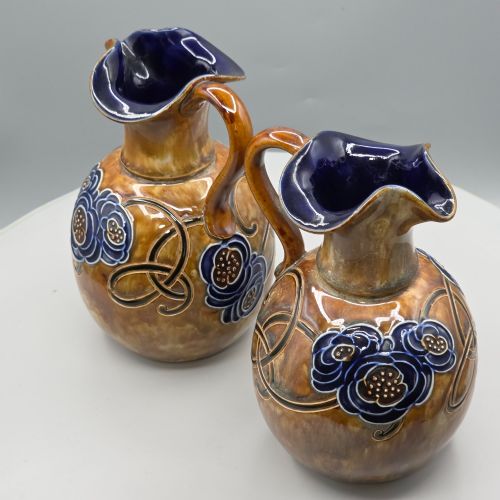
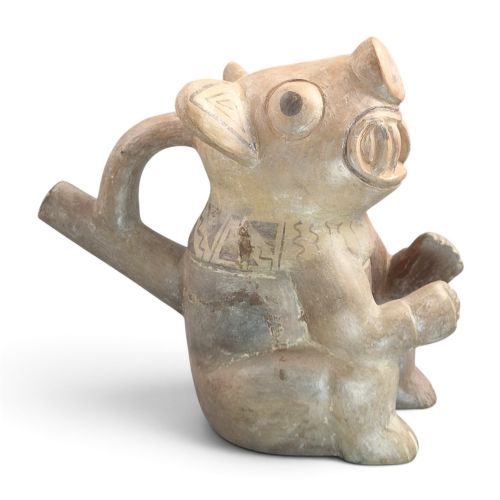
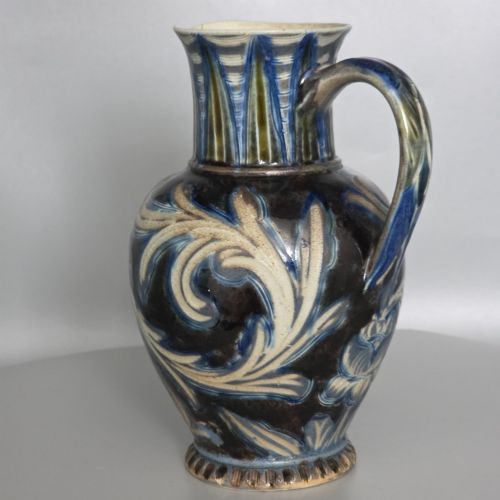
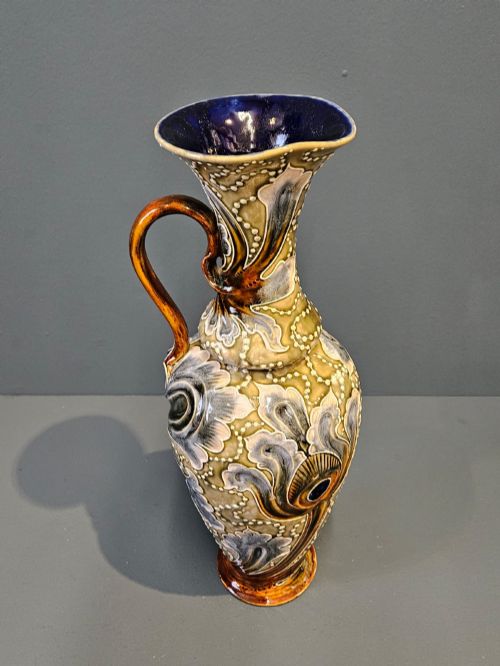
A brown ceramic pitcher spans robust utility and decorative form across multiple historical periods, including the seventeenth century and the Victorian era. These vessels appear in forms such as jugs, flagons, and carafes, showing diverse regional origins.
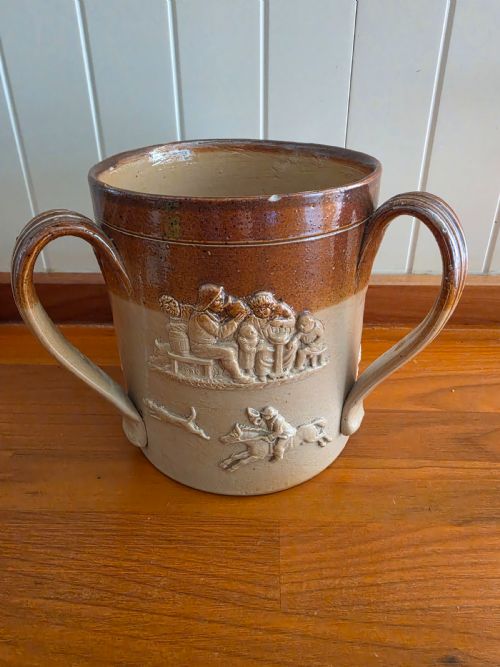
Buyers encountering this selection will find robust stoneware vessels alongside slipware and earthenware pieces. These items range from large capacity flagons to moulded narrative jugs depicting scenes.
The seventeenth century yields slipware jugs and salt glaze flagons featuring mask decorations, while later nineteenth-century examples include large stoneware pieces commemorating historical figures. Continental stoneware carafes represent twentieth-century production.
How they were made
Potters utilised natural clays to shape these vessels on the wheel, forming substantial bodies designed to hold liquids securely. Artisans applied glazes including lead glaze, salt glaze, and standard ceramic glazes to seal the porous clay bodies.
Decoration techniques involved surface moulding to create relief scenes, slip trailing for contrasting linear patterns, and applied facial masks. Firing took place in kilns at high temperatures to vitrify the stoneware and earthenware materials.
Retail Price Guide 2026
Typical UK retail prices for brown ceramic pitcher, calculated from the Sellingantiques database of over a million retail prices indexed since 2003. This retail price guide relies exclusively on Sellingantiques data; no external sources or auction records are used, so the figures do not describe the wider market.
Some historic flagons stare right back at you with moulded facial masks baked firmly into the stoneware.
What varies in quality
Quality rests in the crispness of the moulded relief work and the evenness of the glaze application across the body. Superior examples demonstrate confident handling of the clay, with well-defined decorative motifs and balanced proportions.
The sophistication of the surface treatment distinguishes standard utilitarian vessels from finer decorative pieces. Salt glaze texture and slipware execution reveal the distinct skill levels of the original potter.
The Brown Ceramic Pitcher Glossary
- Stoneware
- A heavy, dense ceramic fired at high temperatures until semi-vitrified, making it impermeable to liquids without requiring interior glazing.
- Slip
- A liquid mixture of clay and water applied to the surface of pottery before firing for decorative effect or colour contrast.
- Salt glaze
- A glossy, slightly textured finish achieved by throwing common salt into the kiln during the high-temperature phase of firing.
- Flagon
- A large vessel with a handle and spout, traditionally used for holding and pouring beverages.
- Lead glaze
- A shiny, transparent coating containing lead compounds applied to earthenware to provide a smooth, waterproof surface.
Frequently Asked Questions
What is a brown ceramic pitcher used for?
These vessels historically served to hold, store, and pour liquids such as water, beer, or cider at the table. Larger versions acted as storage flagons for domestic provisions.
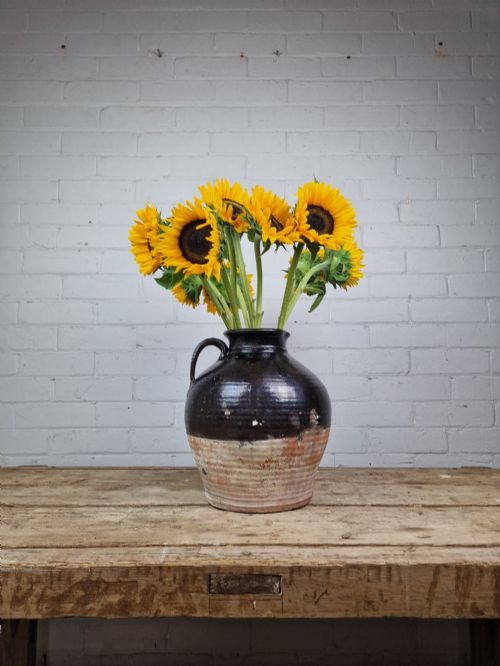
Today, they function well as decorative display pieces, flower vases, or functional jugs for everyday dining.
How do I date a brown ceramic pitcher?
Dating relies on examining the clay body, the glazing technique, and stylistic markers such as moulded scenes or facial masks. Seventeenth-century pieces often feature slipware or salt glaze, while Victorian examples show specific moulding styles.
Comparing the form and manufacturing marks against known historical periods helps narrow down the era of production.
Are these pitchers waterproof?
Most stoneware and glazed earthenware vessels are naturally impermeable or sealed with an interior glaze. This treatment allowed historical users to store liquids safely without seepage.
Modern owners can generally use glazed ceramic pieces for holding cut flowers or serving drinks, though unglazed porous earthenware requires caution.
How should I clean my pitcher?
Careful hand washing with warm water and mild soap preserves the historic surface and any delicate glazes. Avoid abrasive scrubbers that might damage older earthenware or slipware.
Allow the piece to dry thoroughly after cleaning to protect the historic ceramic material.