




Cream Earthenware Plate
These cream earthenware plate examples offer the pale body and smooth lead glaze that define refined domestic pottery.
Cream Earthenware Plate
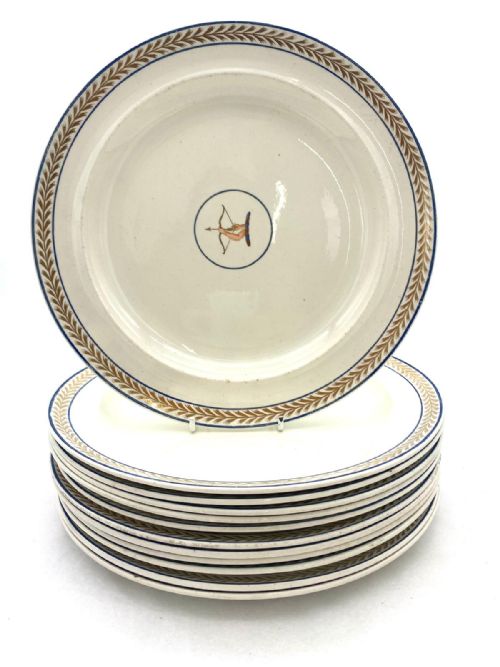
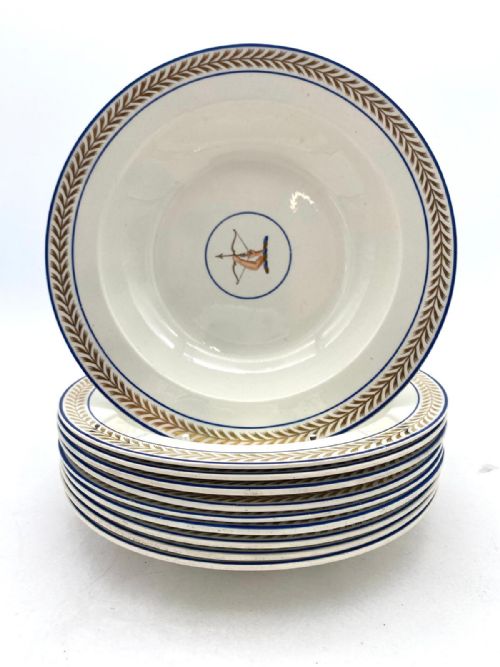
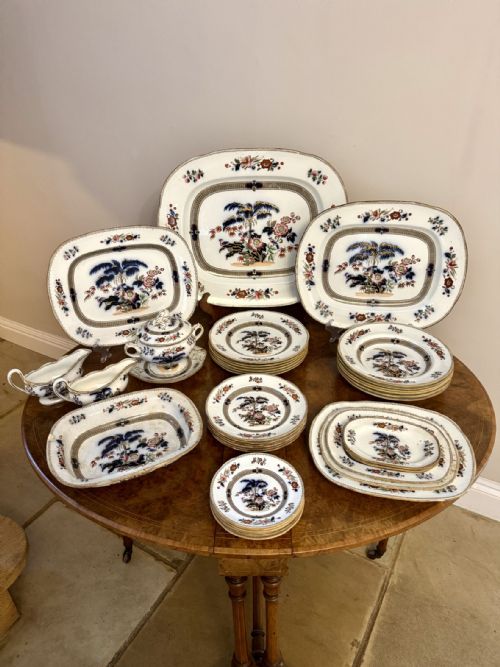
A cream earthenware plate represents the classic pottery forms found across Georgian and Victorian households. These pieces range from formal armorial dinner sets to dessert services produced in creamware.
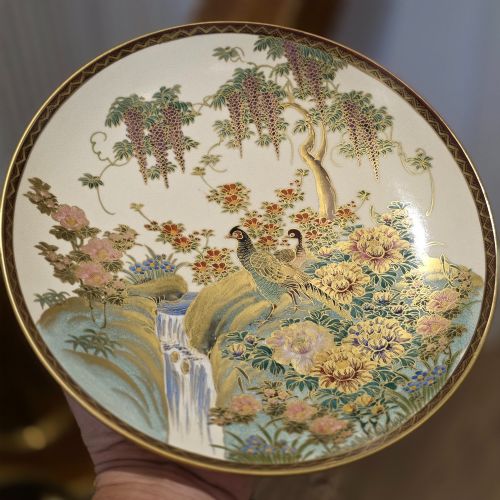
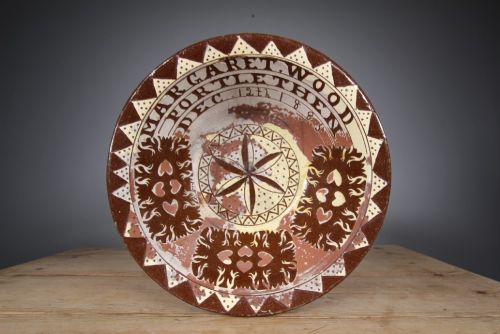
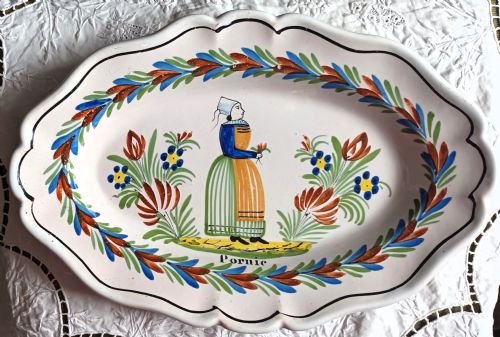
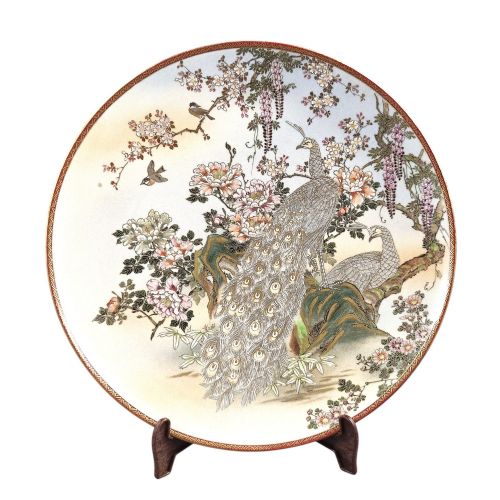
Buyers will encounter eighteenth century and nineteenth century examples featuring botanical motifs, armorial crests, and plain cream bodies. Dinner plates and part services form the primary shapes available within this selection.
Materials and construction
Potters shaped these objects from earthenware clay before applying transparent lead glazes to achieve the characteristic warm, creamy tone. Some items incorporated enamel decoration and gold leaf highlights over the fired surface.
Specialised techniques included transfer printing and hand painting, allowing makers to produce intricate botanical studies and heraldic crests directly onto the ceramic body.
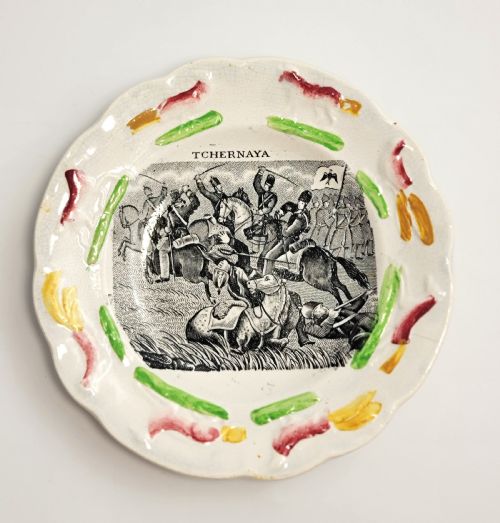
Some nineteenth century plates took sides in the Crimean War, recording distant sieges directly onto the dinner table.
Factors determining quality
Quality rests upon the crispness of the moulded edge, the evenness of the pale glaze, and the precision of any hand-painted or transfer-printed decoration. Early eighteenth century pieces often display finer potting and more delicate weight.
The sophistication of the design, such as armorial crests or botanical studies, separates standard utility wares from the finer cabinet plates produced by prominent potteries.
Wedgwood·Seaton Pottery·Bursley Ware·Keith Murray
The Cream Earthenware Plate Glossary
- Creamware
- A fine light-coloured earthenware developed in the eighteenth century, coated with a transparent lead glaze that yields a warm cream hue.
- Armorial
- Bearing a coat of arms or heraldic insignia, typically hand-painted onto high-status dinnerware.
- Earthenware
- Porous pottery fired at lower temperatures than stoneware or porcelain, requiring a glaze to render it waterproof.
- Lead glaze
- A glossy coating containing lead oxide, used historically to seal earthenware bodies and provide a smooth surface.
Cream Earthenware Plate: Frequently Asked Questions
How do I care for antique creamware?
Wash these pieces gently by hand using mild soap and warm water. Avoid soaking them for long periods to protect the historic earthenware body.
Keep them away from modern dishwashers and harsh abrasives to preserve the delicate lead glaze and any surface enamel.
Can I use these plates for dining?
While these items were originally made for dining or service, historic glazes may not meet modern food safety standards. Many collectors choose to display them on walls or in cabinets.
Gentle use for dry foods is sometimes practiced, but display remains the safest option for preserving eighteenth and nineteenth century surfaces.
How do I date a cream earthenware plate?
Examine the weight of the ceramic body, the tint of the glaze, and any maker stamps on the underside. Eighteenth century examples typically feel lighter and show subtle potting variations.
Victorian and later pieces often incorporate sharper moulded borders or specific impressed factory ciphers that help narrow down the decade of manufacture.