



Botanical Painted Pottery
Botanical painted pottery brings natural flora to ceramics, offering finely rendered floral motifs that capture plant life on glazed surfaces.
Botanical Painted Pottery
When searching for botanical painted pottery, buyers encounter items decorated with floral and plant subjects across multiple historical eras. The pieces span utilitarian tableware and decorative objects, featuring depictions of flowers and foliage executed in various artistic styles.
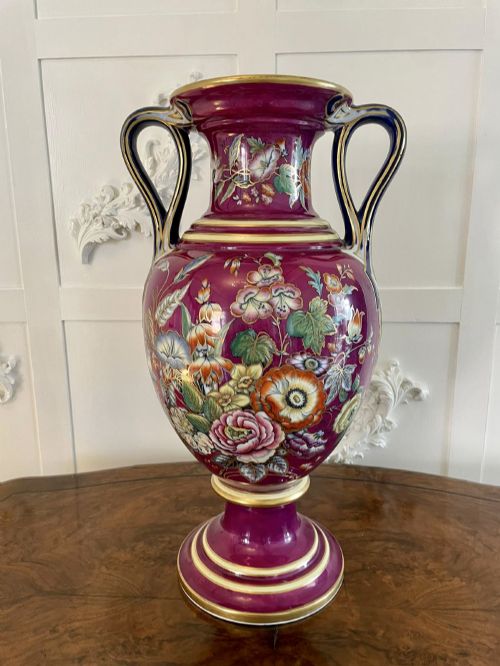
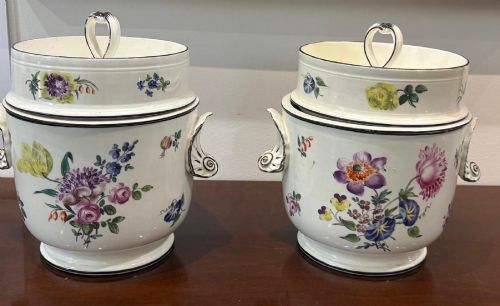
Vases, dessert services, sauce tureens, and ice pails form the primary physical forms available in this category. These items emerge from periods including the Georgian era, the Victorian epoch, and the twentieth century, reflecting shifting aesthetic tastes over time.
Makers utilised earthenware, creamware, pearlware, and porcelain as the foundational ceramic bodies for their botanical designs. Creamware dessert services and pearlware tureens represent common nineteenth-century expressions of this decorative tradition.
Materials and production techniques
Potters shaped ceramic bodies using earthenware, creamware, pearlware, and porcelain, applying white or coloured glazes as a ground for subsequent decoration. Gold leaf accents sometimes supplemented the painted floral imagery to elevate the piece.
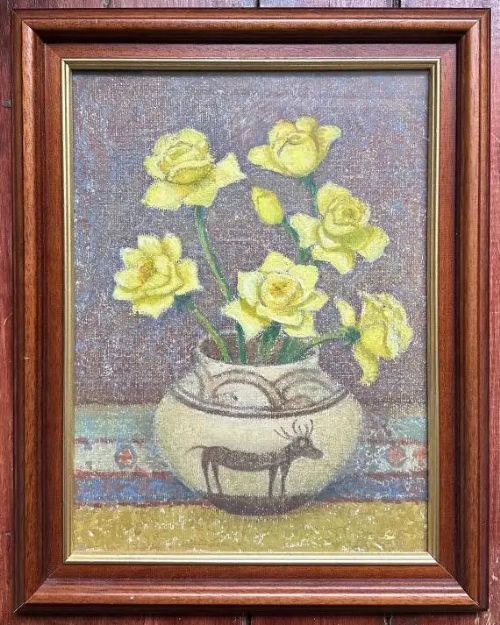
Artists painted floral subjects directly onto the glazed or unglazed ceramic surface using enamel colours before a final firing fixed the pigment. Techniques ranged from delicate brushwork on pearlware pounce pots to bold underglaze painting on studio pottery and architectural tiles.
Some botanical artists clearly enjoyed painting roses so much they squeezed them onto pounce pots, architectural tiles, and ice pails all at once.
Assessing quality in painted ceramics
Quality manifests in the precision and botanical accuracy of the hand-painted floral decoration across the ceramic surface. Superior pieces display meticulous brushwork that renders plant species with fine detail and naturalistic proportion.
The choice of ceramic body and the uniformity of the glaze application influence the overall refinement of the object. Weight, potting skill, and the integration of the botanical motif with the form distinguish finer services and vases from standard production.
Emma Fordyce MacRae·James Tower·Doulton Lambeth·Ernst Wahliss·William de Morgan
The Botanical Painted Pottery Glossary
- Creamware
- A fine earthenware with a pale yellowish-cream glaze, developed in England during the eighteenth century. It served as a popular canvas for painted decoration.
- Pearlware
- A refined earthenware featuring a bluish-white glaze that pooled slightly in crevices, introduced in the late eighteenth century to mimic Chinese porcelain.
- Pounce pot
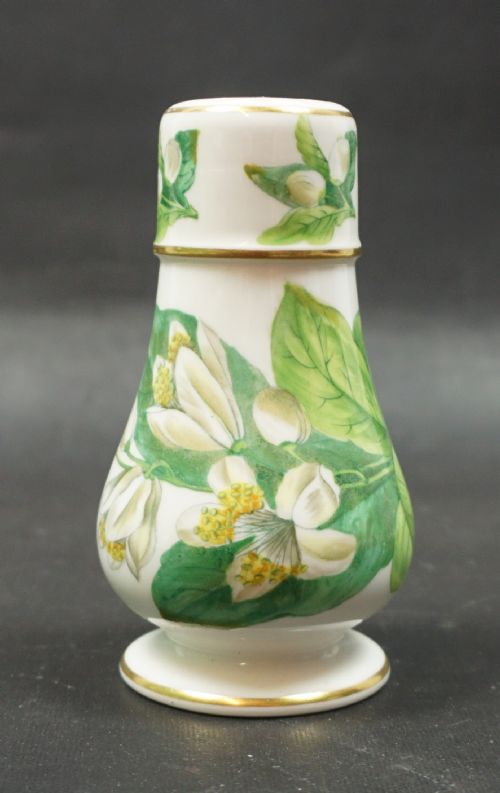
- A small container with a perforated lid used to sprinkle powder over ink to dry it. These small vessels frequently carried delicate hand-painted botanical motifs.
- Sauce tureen
- A covered serving dish designed for holding sauces or gravies, often accompanied by an attached or matching underplate and decorated with painted floral schemes.
Botanical Painted Pottery: Frequently Asked Questions
How do I identify botanical painted pottery?
Look for hand-painted floral motifs, leaf patterns, and plant identifications rendered directly onto ceramic bodies such as creamware, pearlware, or porcelain. These decorative elements appear on items ranging from dessert services to individual vases.
Examine the style of the painting and the underlying ceramic material to help determine the period of manufacture. Eighteenth and nineteenth-century pieces often exhibit distinct glaze characteristics and potting techniques unique to those eras.
What periods do these pieces come from?
The available items span several centuries, with significant representation from the Georgian and Victorian periods, alongside later Arts and Crafts and twentieth-century studio pottery. Each era brought distinct stylistic interpretations to floral ceramic decoration.
Earlier examples often utilise creamware or pearlware bodies with precise botanical illustrations, while later pieces embrace Art Nouveau curves or modernist abstraction in their plant motifs.
How were botanical dessert services used?
Dessert services served functional roles during formal dining, presenting fruit, sweetmeats, and desserts across matching plates, ice pails, and tureens. The botanical painted decoration provided a conversational visual theme for the dining table.
These multi-piece suites allowed hosts to display wealth and refinement through coordinated sets of hand-painted ceramics designed specifically for the final course of a meal.
How should I care for antique painted ceramics?
Display these ceramics away from direct sunlight to prevent any fading of the hand-painted enamel colours over time. Gentle dusting with a soft cloth keeps the glazed surfaces clean without risking abrasion.
Hand washing in lukewarm water with mild soap is recommended for functional pieces when necessary, avoiding harsh detergents or dishwashers that can damage historic glazes and gold leaf accents.