
Gold Gilt Ceramic Dish
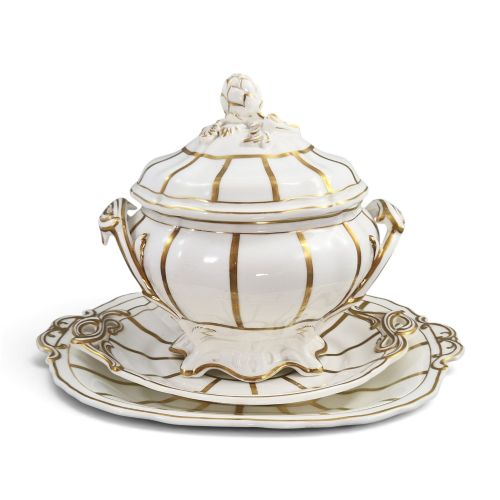
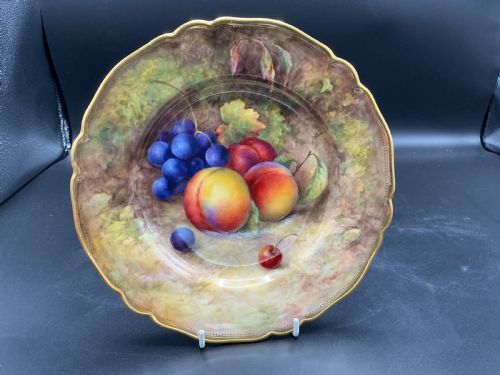
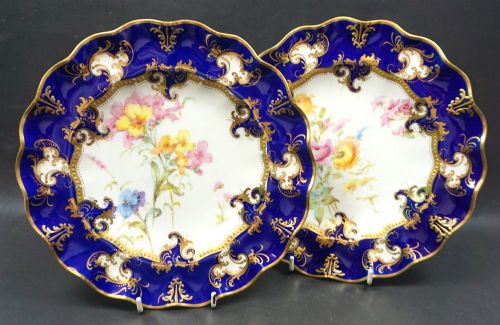
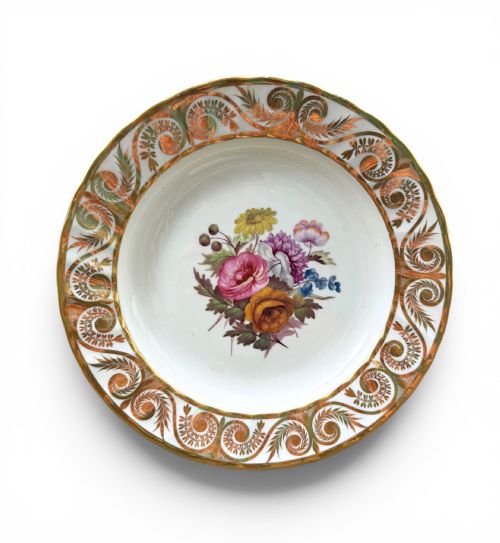
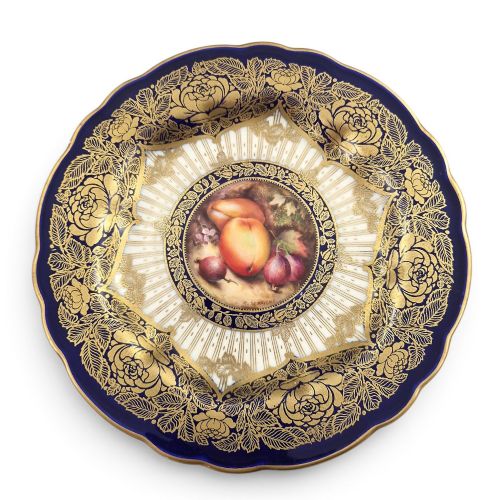
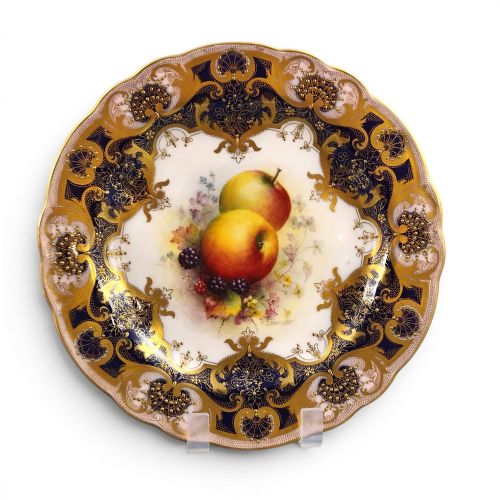
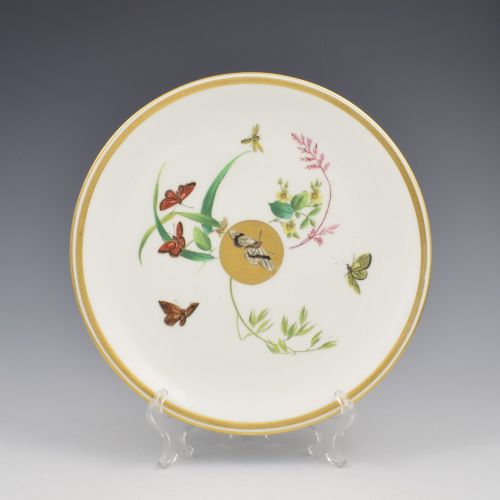
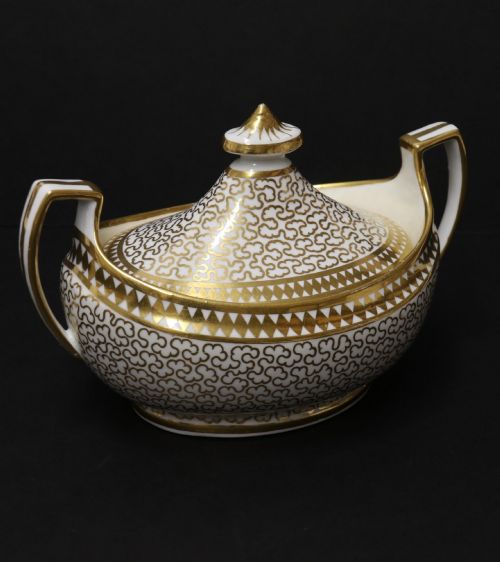
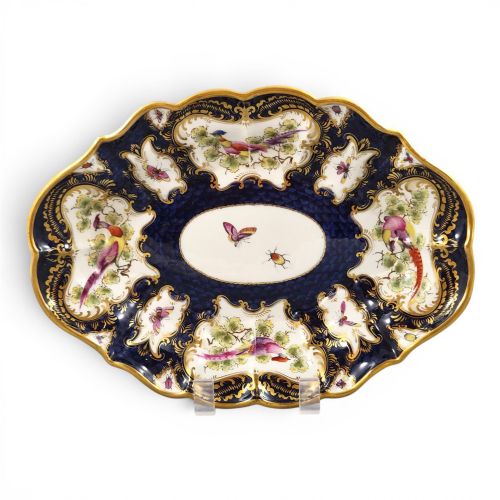
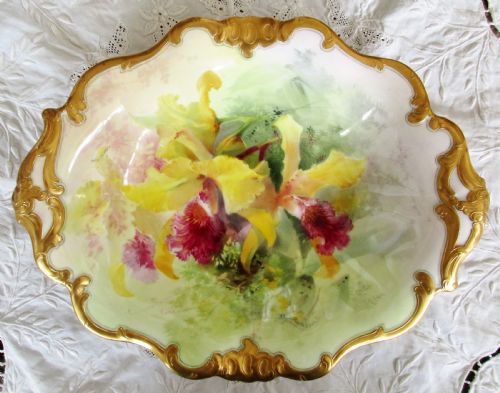
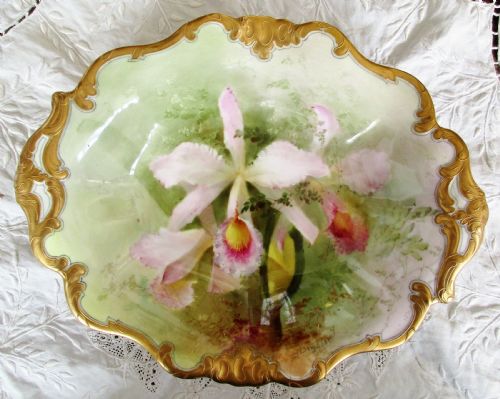
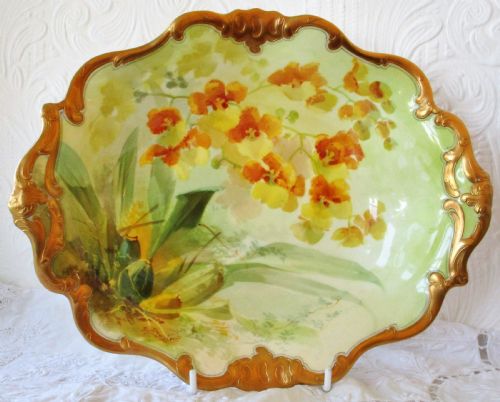
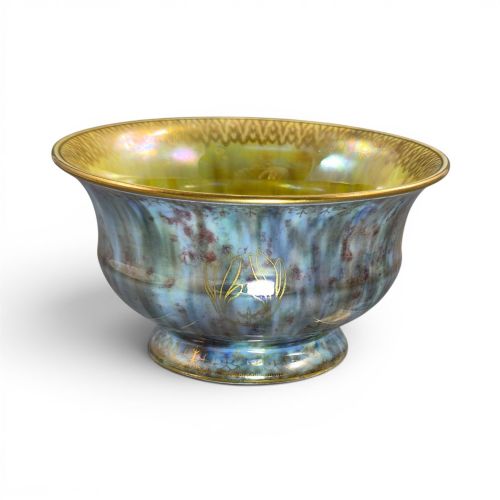
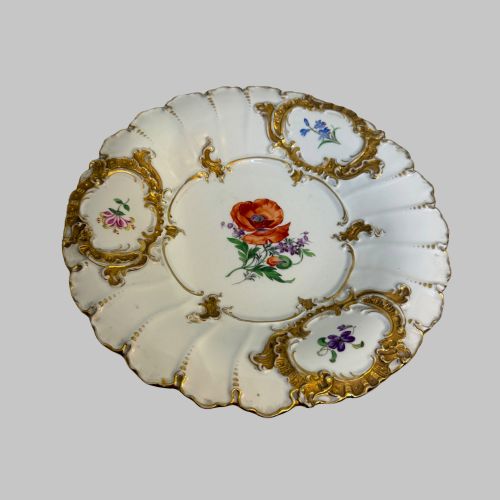
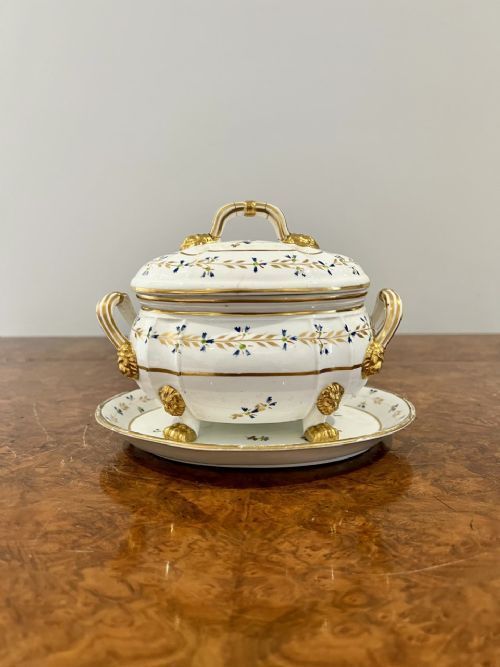
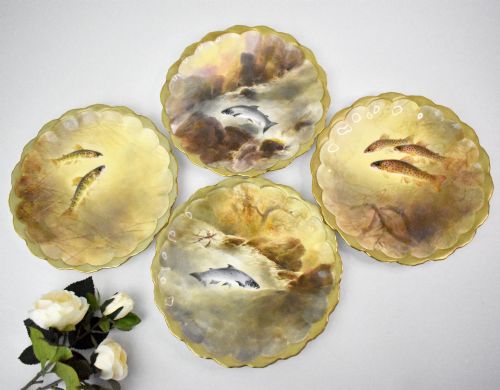
When you search for a gold gilt ceramic dish, you encounter hand-painted cabinet plates, tureens and decorative bowls made to be displayed.
Gold Gilt Ceramic Dish
A gold gilt ceramic dish encompasses ornamental porcelain and earthenware items produced primarily across the nineteenth and early twentieth centuries. These objects range from cabinet plates and dessert dishes to sugar bowls, sauce tureens and centrepieces intended for display rather than everyday dining.
The selections on this page span diverse workshops from English factories like Royal Worcester and Derby to continental makers such as Meissen and Sevres, alongside Japanese Satsuma wares. Forms stretch from Regency topographical plates and Victorian floral dishes to Art Deco fruit platters and Aesthetic Period Japanese style designs.
Buyers look for these pieces to add colour and historic craftsmanship to a room, drawing on traditional styles including Rococo Revival, Neoclassical and Chinoiserie. Each item displays the ceramic body and applied gilding that define this grouping.
How they were made
Makers shaped porcelain, bone china and earthenware before applying hand-painted scenes of fruit, flowers, landscapes and figures in enamel colours. Artisans then added gold leaf, gilding and glaze to accentuate borders, handles and motifs.
Firing techniques fused the enamel pigments and metallic layers to the ceramic body, creating the lustrous surfaces seen on pieces from Meiji period Satsuma bowls to Royal Worcester cabinet plates. Gilt bronze mounts occasionally completed complex centrepieces and decorative boxes.
Listings feature porcelain, bone china and earthenware spanning the nineteenth century through the 1950s, with styles from Regency to Art Deco.
What varies in quality
Quality rests upon the skill of the hand-painted artistry and the precision of the gilding applied to the ceramic surface. Signed works by recognised painters carry greater artistic weight than standard factory output.
The refinement of the porcelain or earthenware body and the complexity of the form, such as pierced porcelain or elaborate gilt bronze mounts, separate standard decorative dishes from exceptional cabinet pieces.
Royal Worcester·Royal Crown Derby·Royal Doulton·Barr Flight and Barr·Meissen
The Gold Gilt Ceramic Dish Glossary
- Cabinet plate
- A decorative plate produced for display in a cabinet or on a wall rather than for practical table use. These often feature detailed hand-painted scenes.
- Gilding
- The application of gold leaf or gold dust to the surface of ceramics to create metallic highlights and borders. This finish is fired to bond with the glaze.
- Sucrier
- A small covered sugar bowl designed for the tea table. They frequently match tea sets and feature decorative handles and lids.
- Satsuma ware
- A type of Japanese earthenware featuring a ivory-coloured cracked glaze decorated with intricate enamel patterns and heavy gilt. These pieces often bear artist or studio signatures.
- Champlevé enamel
- A technique where troughs are carved into a metal base and filled with enamel colours before firing. This method appears on decorative mounts associated with nineteenth century centrepieces.
Gold Gilt Ceramic Dish: Frequently Asked Questions
How were gold gilt ceramic dishes used?
Most of these items served as decorative objects for display in dining rooms and drawing rooms rather than for active dining. Cabinet plates sat on stands or hung on walls, while tureens and bowls held food or decorated sideboards.
Finer pieces celebrated artistic skill and status, often commissioned or kept in glass-fronted cabinets to preserve the hand-painted enamel and delicate gold leaf.
How do I care for a gilt ceramic dish?
Keep these items away from modern dishwashers and harsh cleaning chemicals to protect the delicate enamel work and metallic gold leaf. Dust them gently with a soft, dry cloth.
Display them securely on stable surfaces or specialised plate stands to prevent accidental slips, avoiding direct, harsh sunlight that can fade painted fruit and floral scenes over time.
How can I tell the period of a dish?
Look to the factory marks stamped or painted on the underside, alongside the painting style and the colour palette of the ceramic body. Victorian pieces often lean towards heavy gilding and floral motifs, while later twentieth-century items showcase specific fruit or landscape studies.
Matching the pattern number and known active dates of the decorator or pottery helps narrow down the decade of manufacture.
What is the difference between porcelain and earthenware?
Porcelain is fired at higher temperatures to create a dense, non-porous and often translucent material that rings when tapped. Bone china includes bone ash for added strength and whiteness.
Earthenware, such as Satsuma wares, is more porous and opaque, requiring a glaze to seal the body before enamel and gilt details are applied on top.