





Antique Decorative Wall Plates
Antique decorative wall plates bring colour and pattern to a room, offering centuries of hand-painted artistry for modern walls.
What antique decorative wall plates are
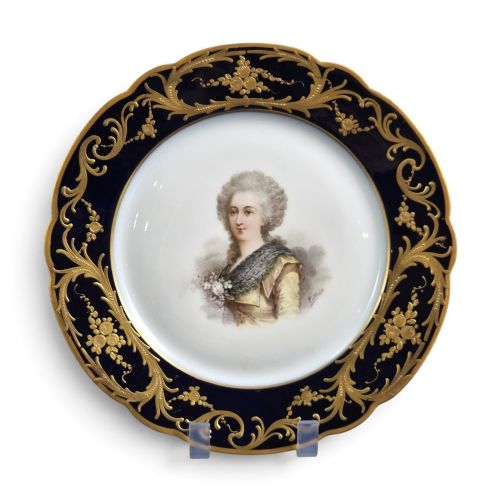
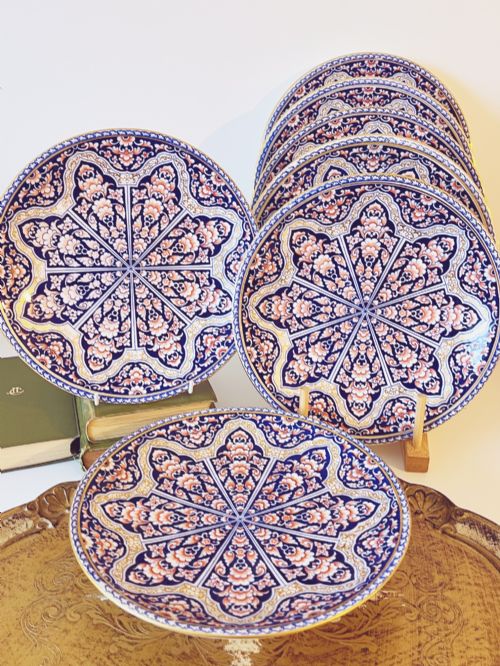
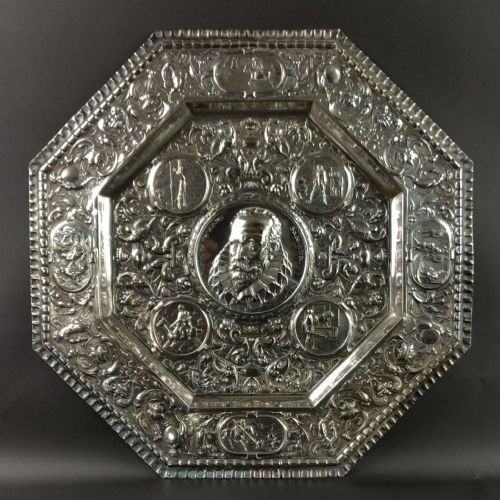
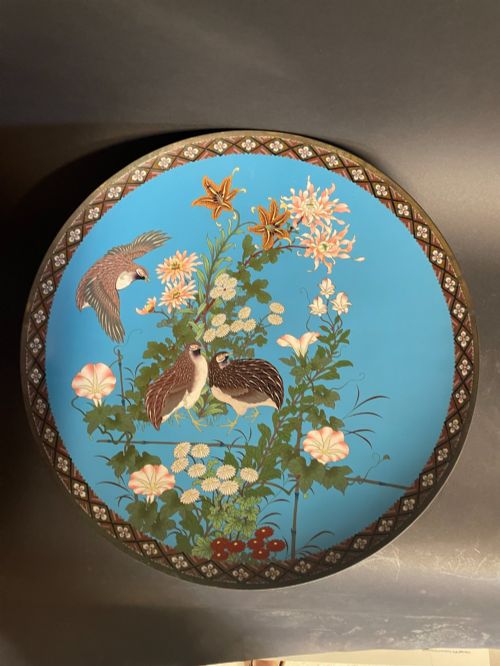
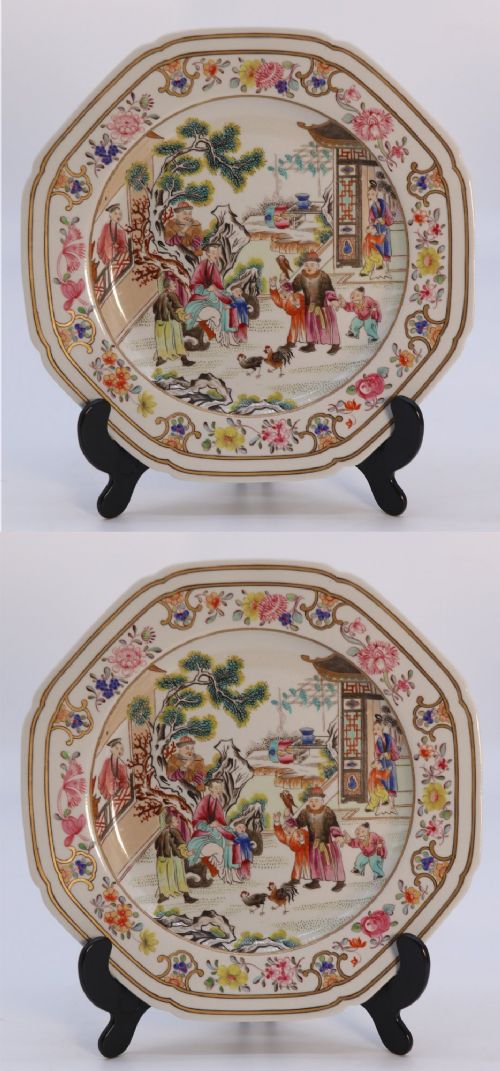
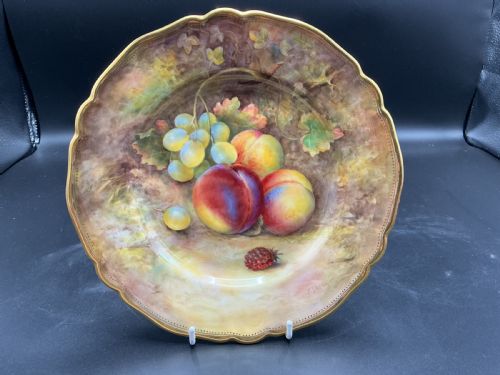
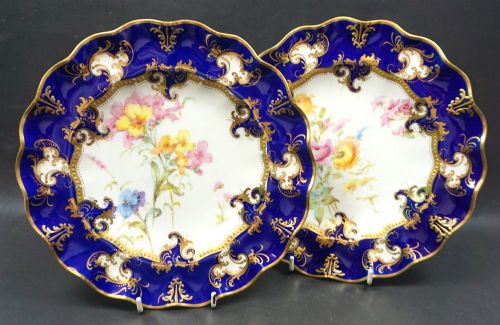
When you search for antique decorative wall plates, you encounter ceramics created to be seen rather than used at the dining table. These pieces include cabinet plates, display plates, and pictorial plates designed primarily for visual appreciation.
The selection on this page spans the eighteenth and nineteenth centuries, featuring items from English and French makers. You will find items originating from the 1750s through to the middle of the nineteenth century.
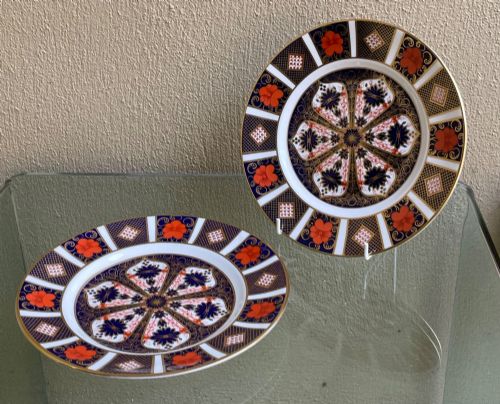
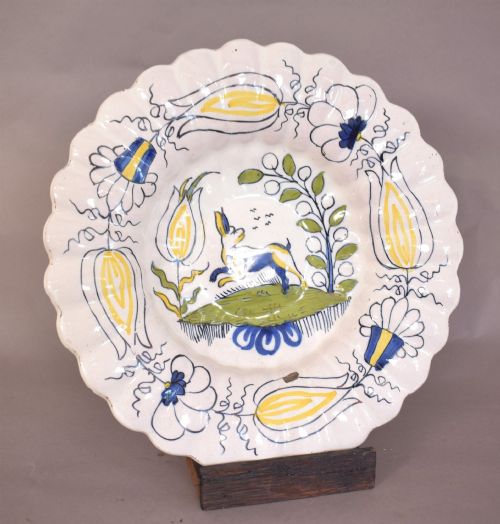
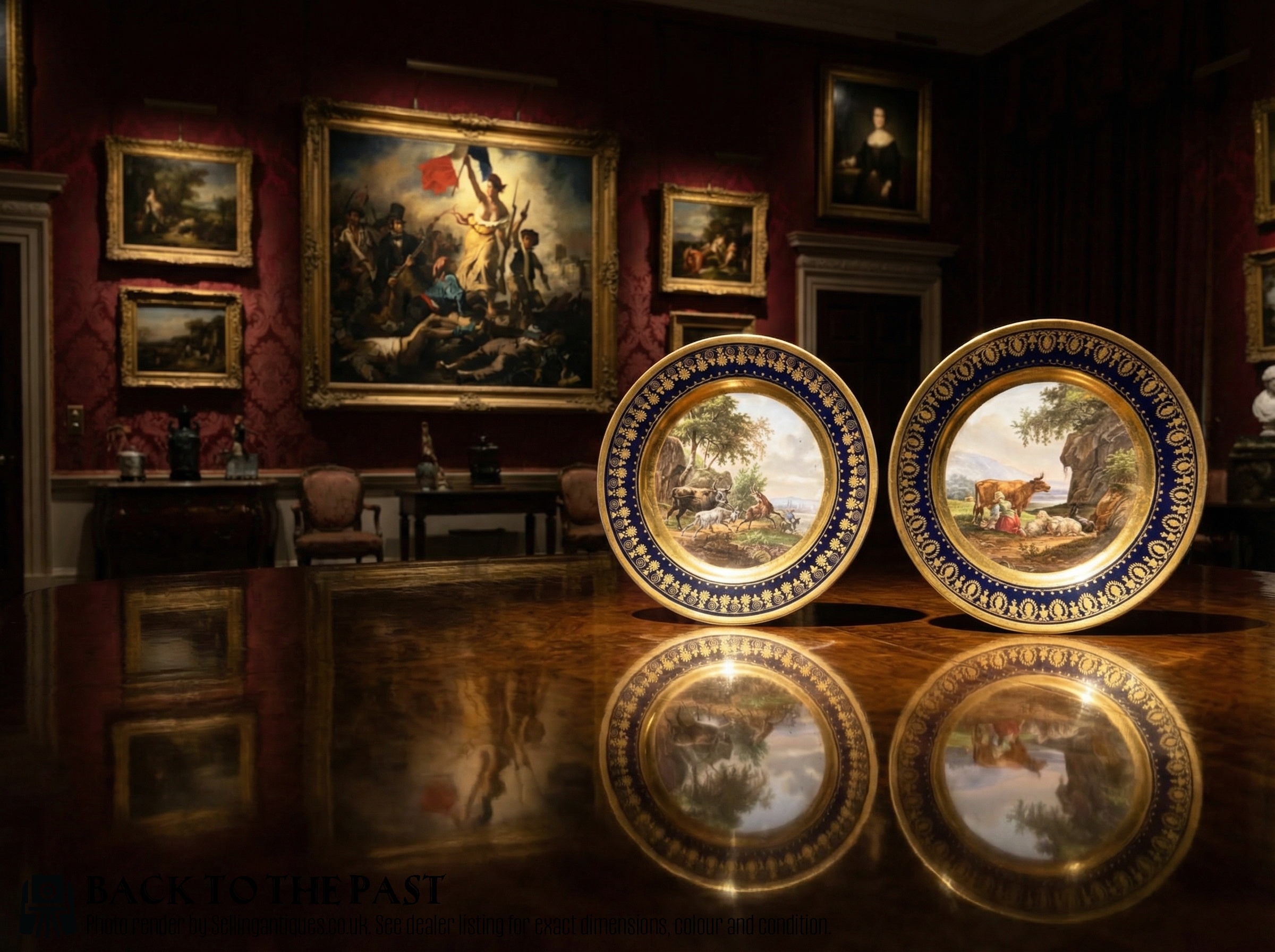
Forms range from sets of ironstone china in old school house patterns to pairs of pictorial porcelain plates and eighteenth-century faience. Each object carries the specific aesthetic of its period, from Georgian styles to Victorian Imari and French Rococo.
How they were made
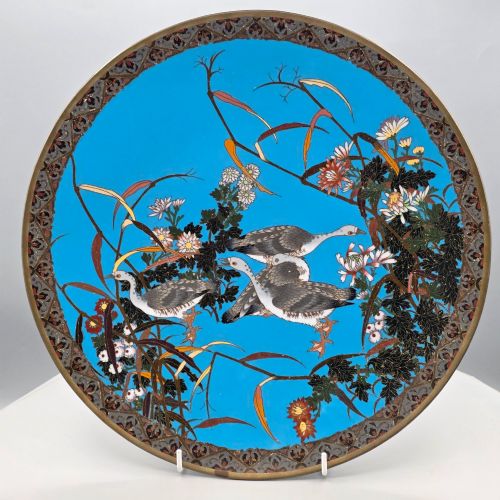
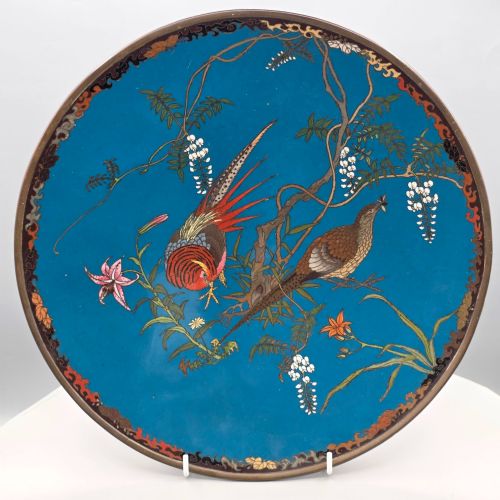
Materials recorded in these pieces include soft-paste porcelain, standard porcelain, ironstone, tin-glazed earthenware, and enamel, often enriched with gold leaf and gilding. Potters shaped these materials into robust utility bodies as well as delicate display items.
Decoration relied on hand-painted techniques executed across European workshops and potteries. Artisans applied pigments directly to the ceramic surface, sometimes incorporating intricate pictorial scenes or traditional patterns.
Retail Price Guide 2026
Typical UK retail prices for decorative wall plates, calculated from the Sellingantiques database of over a million retail prices indexed since 2003. This retail price guide relies exclusively on Sellingantiques data; no external sources or auction records are used, so the figures do not describe the wider market.
Old school house patterns keep strict attendance on Victorian walls.
What varies in quality
Quality rests in the precision and depth of the hand-painted execution and the sophistication of the ceramic body itself. Finer examples display meticulous brushwork and balanced pictorial compositions that reflect the high standards of their originating workshops.
The application of gilding and gold leaf also distinguishes finer pieces, showing durability and refined lustre. The integrity of the glaze over ironstone or soft-paste porcelain marks the distinction between standard utilitarian output and superior decorative works.
Veuve Perrin Marseille·Chelsea·Darte Brothers·Masons Ironstone China
The Antique Decorative Wall Plates Glossary
- Ironstone
- A dense, durable type of ceramic patented in the nineteenth century to rival true porcelain. It provided a robust body for heavily patterned dinner and decorative wares.
- Tin-glazed earthenware
- Pottery covered with a white tin-oxide glaze that provided an opaque surface for hand-painted decoration. This technique underpins traditional European faience.
- Soft-paste porcelain
- An artificial porcelain mixture fired at lower temperatures than hard-paste, producing a warm texture and subtle translucency. It was widely used by eighteenth-century European factories.
- Gilding
- The application of gold leaf or gold powder to the surface of a ceramic object. It highlights moulded details and frames painted central motifs.
Frequently Asked Questions
How do I hang antique decorative wall plates safely?
Secure hanging requires specialised spring-loaded brass wire hangers that grip the rim without damaging the ceramic body. Ensure the wall fixing matches the weight of denser materials like ironstone.
Avoid adhesives applied directly to the reverse of the plate, as these can destabilize historic glazes or weaken soft-paste porcelain over time.
Were these plates originally meant for walls?
Many items in this category began as cabinet plates or decorative table services rather than dedicated wall hangings. Their pictorial designs and delicate soft-paste bodies suited display in formal rooms.
Over generations, collectors adapted these pieces for wall suspension to showcase hand-painted scenes and historical patterns at eye level.
How do I clean antique wall plates?
Dust gently with a dry, soft microfiber cloth to remove surface particles without disturbing delicate enamel or gilding. Avoid running historic ceramics under tap water or using modern chemical detergents.
If deeper cleaning is necessary, consult a specialist conservator to prevent moisture penetration into crazed glazes or vulnerable earthenware bodies.
How can I tell eighteenth-century pieces apart?
Eighteenth-century examples often employ soft-paste porcelain, tin-glazed earthenware, or early soft-paste bodies with distinct glaze pooling on the reverse. Hand-painted brushwork from this era shows individual artisan quirks rather than uniform industrial transfer printing.
Examining the footrim and unglazed areas helps identify the specific firing techniques and clay bodies typical of factories from the 1750s and 1770s.