


Antique Floral Dinner Plates
Antique floral dinner plates bring centuries of botanical painting and ceramic craft to the table, offering practical service pieces with remarkable historic detail.
Antique Floral Dinner Plates
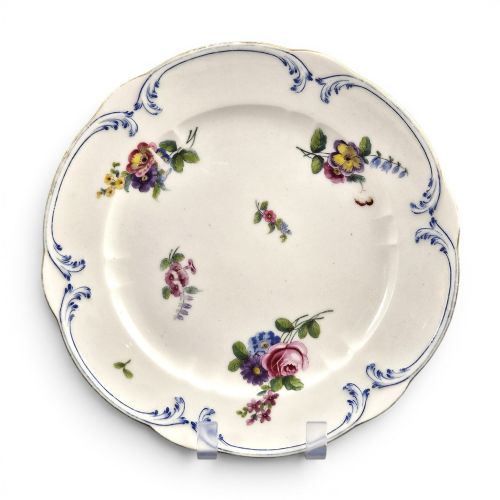
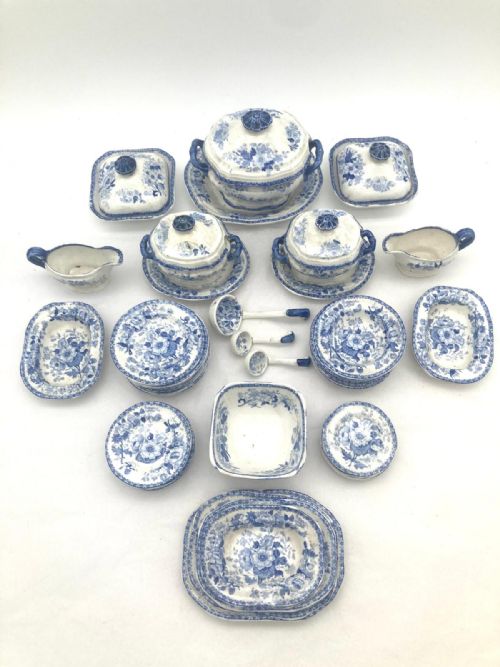
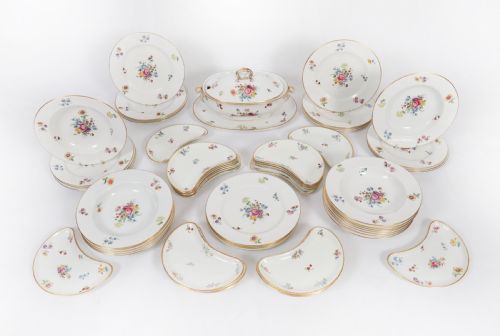
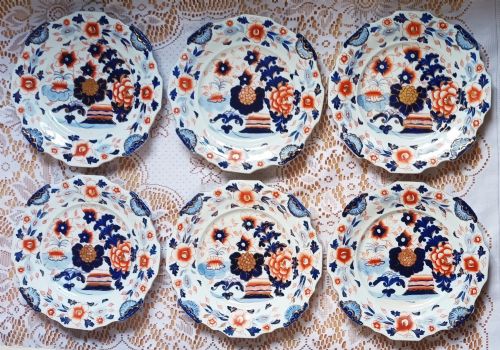
When you search for antique floral dinner plates, you encounter pieces spanning from the eighteenth century through the Edwardian era, encompassing individual plates, large sets, and partial services. These items originate from English, French, and Chinese kilns, displaying botanical motifs painted by hand or applied via transfer printing.
The selection ranges from soft-paste porcelain pieces produced at Chantilly and Sèvres to earthenware and ironstone items by makers such as Wedgwood, Minton, and Copeland Spode. You will find both formal Georgian services and utilitarian domestic wares, often decorated with ozier borders or distinct regional patterns.
What varies in quality
The standard of execution in the painted floral motifs separates standard domestic production from high-art ceramic output. Finer examples display precise botanical accuracy, subtle brushwork shading, and harmonious palette control by skilled artists.
The purity of the ceramic body and the smoothness of the glaze application also determine the grade of a piece. Early soft-paste bodies and expertly potted ironstone demonstrate superior material handling compared to rougher utilitarian wares.
Roosters feature proudly on eighteenth-century Chinese export plates, supervising the dinner table with avian vigilance.
Ambroise Michel·Minton·Spode·Wedgwood·Booths·Coalport·Chantilly·Chelsea
The Antique Floral Dinner Plates Glossary
- Soft-Paste Porcelain
- An artificial porcelain composition made from white clay and glass frit, fired at lower temperatures than hard-paste. This material creates a warm, slightly translucent body common in eighteenth-century French tablewares.
- Transfer Printing
- A mechanical decoration technique where an engraved copper plate transfers a design onto tissue paper, which is then pressed onto the ceramic. This method allowed for consistent blue and white patterns across large dinner services.
- Creamware
- A refined earthenware body developed in England during the eighteenth century, known for its pale yellowish cream colour and smooth lead glaze. Wedgwood perfected this versatile ceramic body for formal dining use.
- Ozier Border
- A moulded basketweave pattern applied to the rim of plates and serving dishes. Potters derived this decorative relief from wicker baskets popular in European dining culture.
- Famille Rose
- A Chinese ceramic palette introduced in the eighteenth century, characterised by opaque pink enamels derived from colloidal gold. This palette permits a wide tonal range of floral and animal subjects.
Antique Floral Dinner Plates: Frequently Asked Questions
Can I use antique plates for dining?
Most antique plates tolerate gentle everyday use, though hand washing preserves the old glazes and delicate enamels.
Avoid dishwashers and microwaves, as thermal shock and harsh detergents can damage eighteenth and nineteenth-century ceramic bodies.
How do I date a floral dinner plate?
Examine the base for maker marks, backstamps, and impressed ciphers that correspond to factory production periods. The ceramic body type, such as soft-paste porcelain versus ironstone, also helps narrow down the era of manufacture.
Style indicators like Georgian transfer prints or Edwardian Limoges bodies provide further chronological context.
What is transfer printing?
Transfer printing is a method of applying intricate designs to ceramics using an engraved copper plate and thin tissue paper. This technique mechanised pattern reproduction while maintaining fine illustrative detail.
It became widely used for blue and white floral services during the nineteenth century.
Are mismatched floral sets collectable?
Mismatched sets of period plates offer an appealing table arrangement that reflects how historical households acquired and replaced tableware over time. Collectors often assemble eclectic groupings sharing similar colour palettes or floral themes.
Mixing eighteenth-century French porcelain with nineteenth-century English ironstone creates a layered, historic tablescape.