


Floral Porcelain Tableware
Floral porcelain tableware brings hand-painted blossoms to the table through centuries of European and Japanese craftsmanship.
Floral Porcelain Tableware
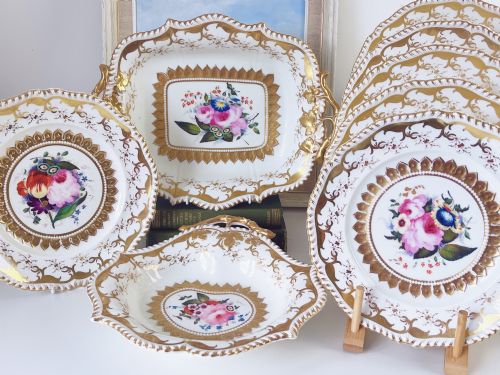
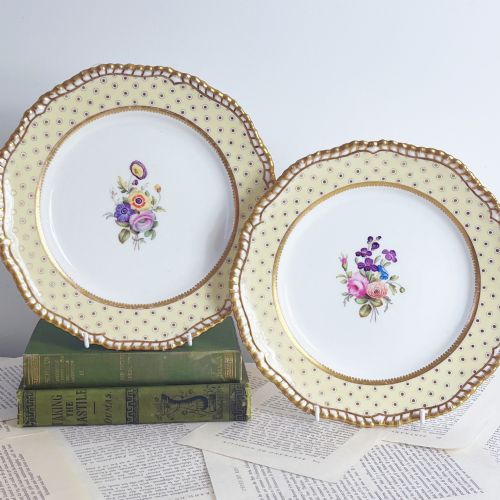
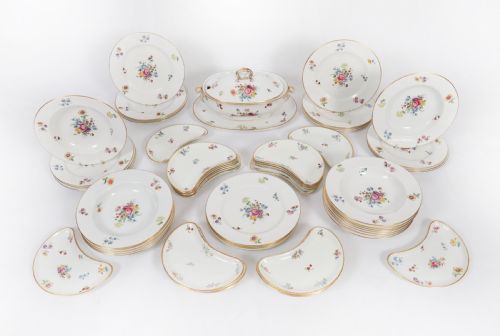
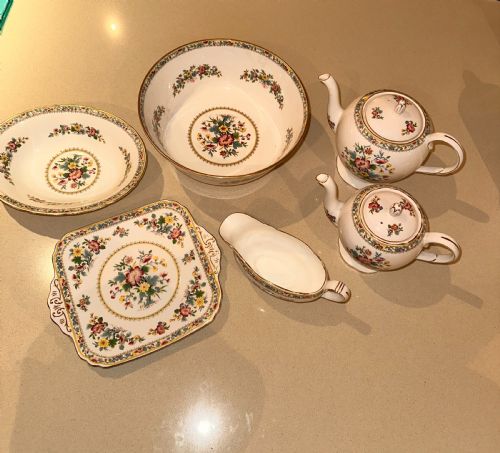
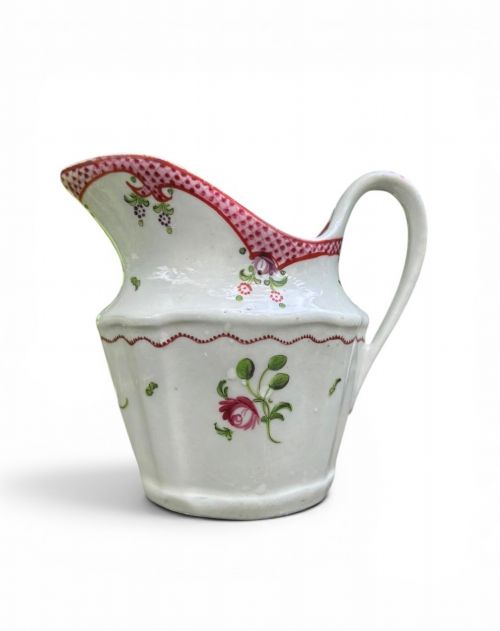
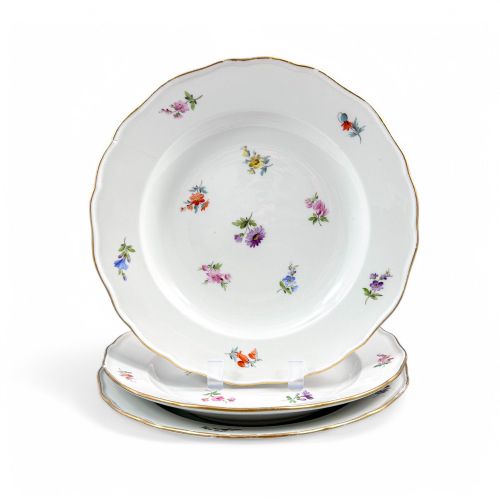
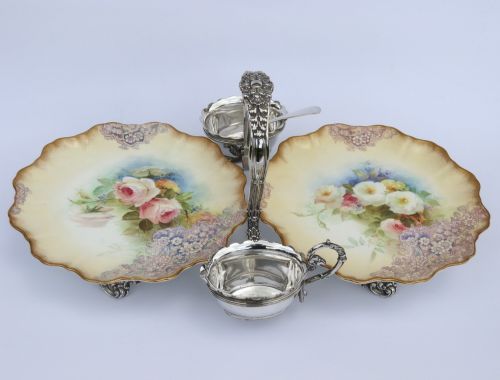
Floral porcelain tableware encompasses complete dinner services, dessert sets, plates, cream jugs, and serving dishes adorned with painted or enamelled flowers. When searching for floral porcelain tableware, buyers frequently encounter pieces originating from English factories and continental kilns, alongside Japanese imports.
The selection ranges from Georgian cream jugs and Regency dessert services to large Victorian dinner services and early twentieth-century sets. These pieces were designed for formal dining and drawing-room service, bringing botanical motifs directly to the table.
English manufacturers such as Spode, Coalport, and Grainger Lee dominate the offerings alongside continental porcelain from Meissen, Limoges, and Old Paris. Buyers also find Japanese Imari and Satsuma wares featuring dense floral decoration.
Materials and production methods
Makers utilised porcelain, bone china, and earthenware as the foundational bodies for these items, shaping them into plates, tureens, and services. Glaze sealed the ceramic body, providing a smooth surface for subsequent decoration.
Decoration relied heavily on hand-painted floral motifs, sometimes enhanced with enamel and gold leaf or gilt highlights. Kiln firing fixed the pigments and metallic accents onto the porcelain body.
Listings span the Georgian, Victorian, and Edwardian periods, utilising porcelain, bone china, earthenware, and gold leaf.
Factors that separate different tiers of quality
The refinement of the ceramic body and the precision of the hand-painted botanical details determine the standing of each piece. Finer porcelain allows for thinner potting and more delicate forms.
The application of gold leaf and the complexity of the enamelled floral patterns distinguish standard utility wares from exhibition-grade services produced by leading factories.
Grainger Lee And Co·Spode·New Hall·Meissen·Walker And Hall·Doulton Burslem·John Ridgway·Rockingham Pottery·Coalport·Müller Volkstedt MV Co·Royal Worcester·Wedgwood·Jacob Petit·Limoges·KPM·Royal Crown Derby·Edm E Samson
The Floral Porcelain Tableware Glossary
- Felspar
- A type of porcelain body developed by Spode containing feldspathic material for improved durability and whiteness.
- Sucrier
- A small vessel with a lid designed for holding sugar, frequently matching tea or coffee services.
- Streublumen
- A decorative motif featuring scattered small floral sprays across the white porcelain surface.
- Imari
- A style of Japanese export porcelain characterised by a palette of underglaze blue, iron red, and gold.
Floral Porcelain Tableware: Frequently Asked Questions
What is floral porcelain tableware used for?
These items served functional roles during formal meals, afternoon tea, and dessert courses in wealthy households.
Today, collectors use them for display, special dining occasions, or as decorative table centerpieces.
How do I identify a Georgian floral porcelain service?
Georgian pieces often display hand-painted botanical studies or simple enamel flower sprays on early paste bodies.
Shape and potting style help distinguish these eighteenth-century items from later Victorian productions.
Can I use antique porcelain tableware for dining?
While structurally sound, antique pieces often feature delicate hand-painted enamels and gold leaf that benefit from careful hand washing rather than machine cleaning.
Many collectors reserve them for light use or display to preserve the fragile glaze and decoration.
How do I tell English and continental porcelain apart?
English factories like Spode and Coalport used distinct bone china and felspar body compositions suited to domestic tastes.
Continental makers such as Meissen and Old Paris employed different hard-paste porcelain recipes and distinct painterly traditions.