

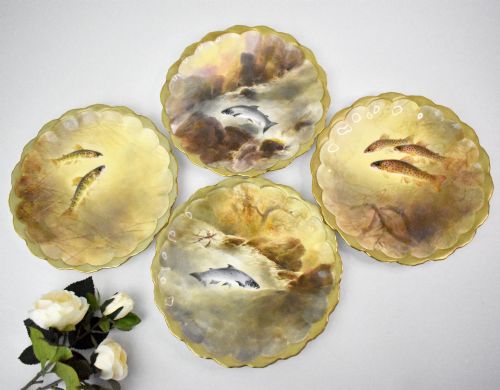


Hand Painted Porcelain Service
When you seek a hand painted porcelain service, you look for porcelain decorated by hand across tea sets, dessert plates, and dinner services spanning centuries.
Hand Painted Porcelain Service
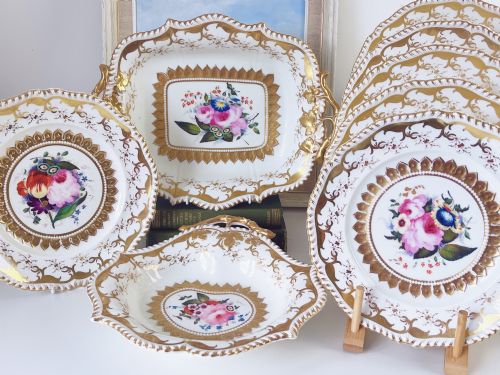
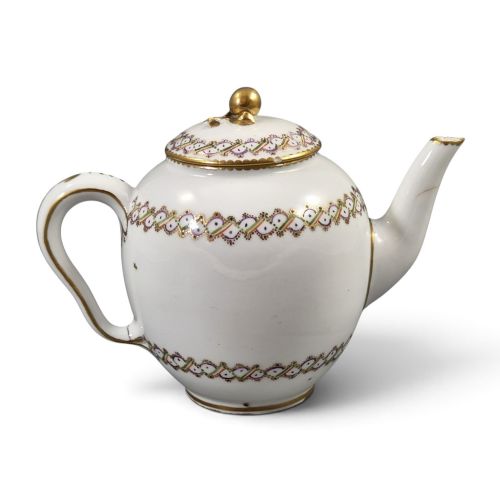
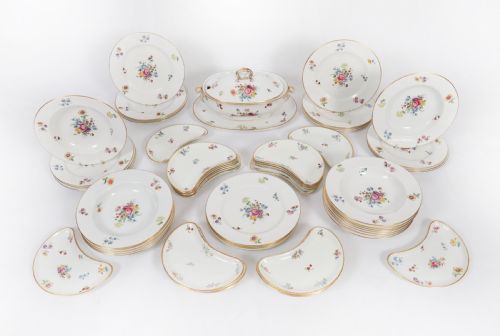
A hand painted porcelain service brings together matched or complementary ceramic vessels for dining, tea, or dessert, decorated with painted motifs. You will encounter sets ranging from eighteenth-century Dr Wall Worcester to nineteenth-century dessert and dinner services by makers such as Spode and Minton.
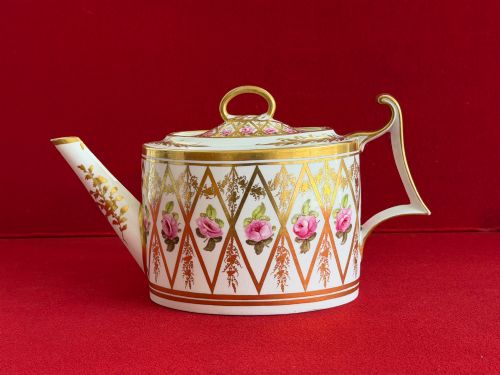
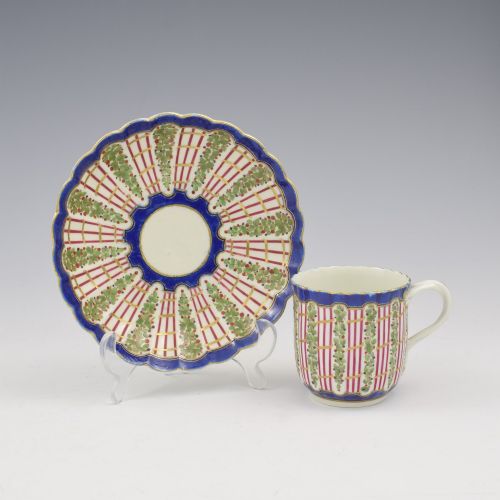
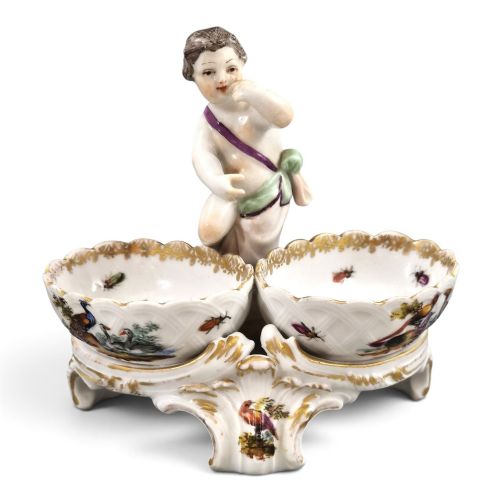
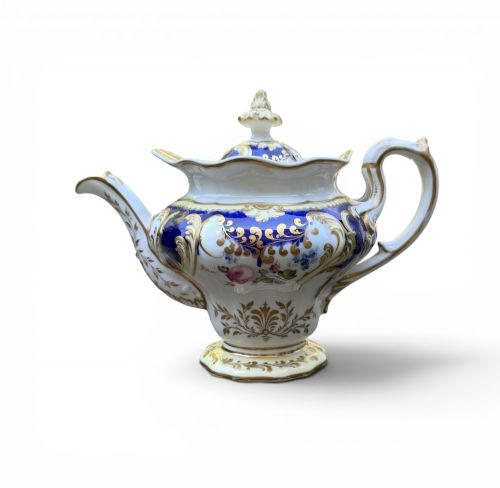
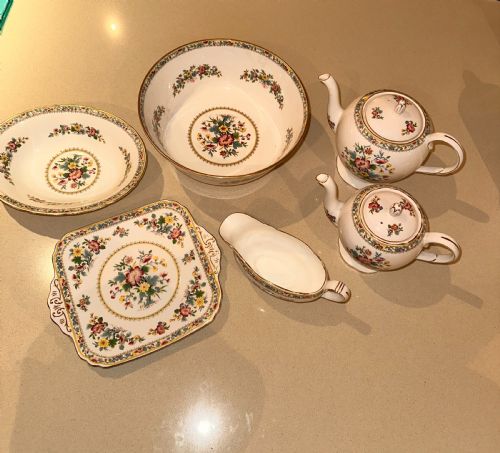
These services appear in forms including teapots, sucriers, coffee cups, dessert plates, and large dinner services. Pieces reflect periods from Georgian and Regency eras through to Victorian and early twentieth-century designs.
Many services survive in partial form, offering tea sets for six or grouped dessert plates rather than full original complements. Forms often display regional British and continental European styles, from Rococo Revival curves to classical Louis XVI lines.
How They Were Made
Makers shaped porcelain, bone china, and ceramic bodies before applying underglaze and enamel colours by hand. Artisans utilised gold leaf and gilding to highlight rims, handles, and borders.
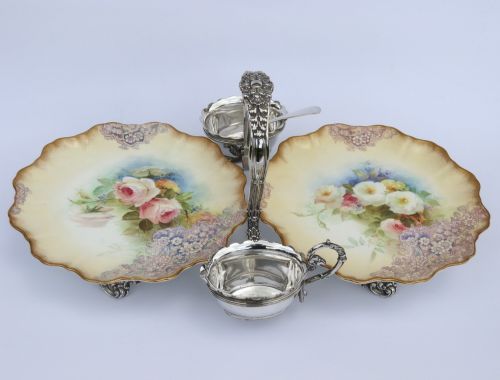
Firing techniques fused coloured enamels and glazes to the porcelain surface, fixing botanical, landscape, and bird motifs. Surface decoration often combined hand-painted floral panels with moulded porcelain reliefs and gilt accents.
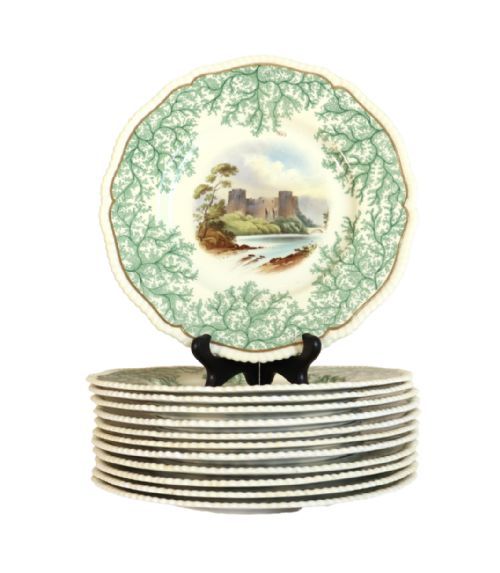
Seaweed borders and fish plates bring unexpected marine life to the formal dining table.
What Varies in Quality
The refinement of the painted brushwork dictates the distinction between standard production and masterwork pieces. Detailed fruit, bird, and landscape scenes executed by named painters elevate a service far above simple floral repeats.
The weight and translucency of the porcelain body, alongside the crispness of moulded details and the richness of the gilding, mark the division across historical tiers of manufacture.
Grainger Lee And Co·Spode·KPM Berlin·Royal Doulton·John Ridgway·Royal Crown Derby·Coalport·Minton·Royal Worcester·Müller Volkstedt·Hicks Meigh And Johnson·Old Paris·Thomas Wolfe·Flight Barr And Barr·Russian Imperial Porcelain Manufactory
The Hand Painted Porcelain Service Glossary
- Bone China
- A type of porcelain incorporating bone ash into the ceramic paste, producing a strong, translucent white body. This material became a staple of nineteenth-century English manufactories.
- Sucrier
- A covered pot or bowl designed to hold sugar as part of a tea service. These vessels often mirror the floral motifs and gilt borders found on accompanying teapots and cups.
- Enamel
- Opaque vitreous colours fused to the porcelain surface through firing. These pigments provide the vibrant hues seen on eighteenth and nineteenth-century painted plates and teapots.
- Gilding
- The application of gold leaf or powdered gold to ceramic surfaces. It accentuates handles, rims, and borders on fine tea and dessert services.
Hand Painted Porcelain Service: Frequently Asked Questions
What pieces comprise a typical dessert service?
A dessert service usually includes a collection of painted plates alongside matching serving dishes and compotes. These sets were designed for the final course of a formal meal.
Surviving examples often present part of the original complement rather than every individual plate.
How do I distinguish eighteenth-century porcelain from later periods?
Earlier pieces from periods like Dr Wall Worcester or the Georgian era display distinct paste compositions, underglaze blue marks, and hand-enamelled palettes. Weight, glaze texture, and foot-rim formation assist in establishing the era.
Stylistic shifts toward Victorian Rococo Revival or early twentieth-century patterns introduce heavier bodies and different floral treatments.
How should I care for antique porcelain services?
Hand washing in warm water with mild soap preserves the delicate enamel paints and gold leaf gilding. Dishwashers and harsh abrasives damage historical surfaces.
Storing plates with felt dividers prevents scratching between stacked pieces.
What is the difference between a tea set and a coffee service?
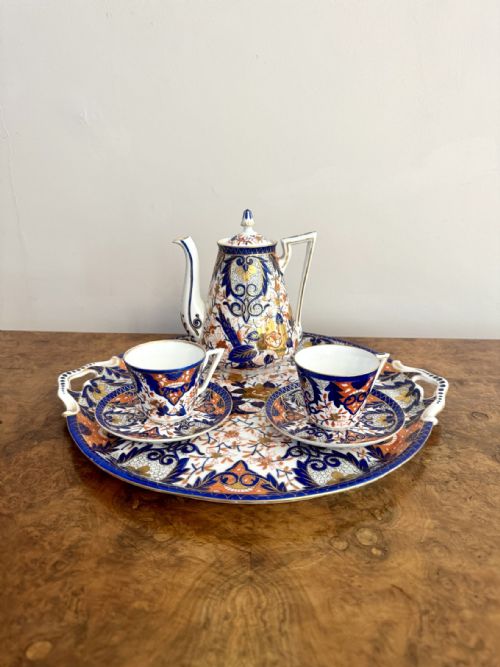
Tea sets generally feature teapots, sucriers, and wide cups intended for tea service, while coffee sets include tall pots and specialised cups. Historical breakfast and tête-à-tête sets serve smaller numbers of people.
Both forms utilise matching painted motifs across all constituent vessels.