
Nineteenth Century English Porcelain
Nineteenth century english porcelain brings together decorative plates, jugs, and vases shaped by Georgian, Regency, and Victorian makers.
Nineteenth Century English Porcelain
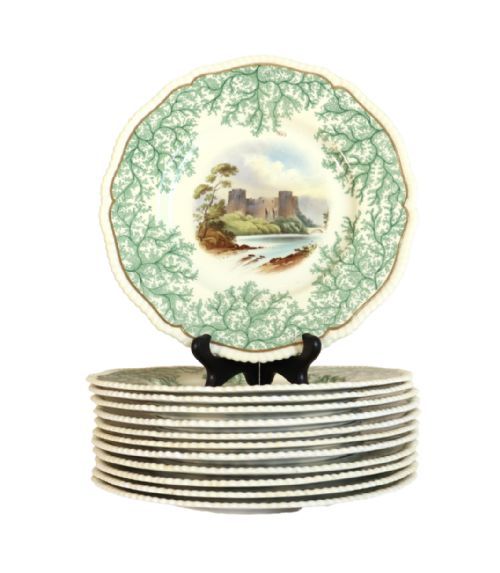
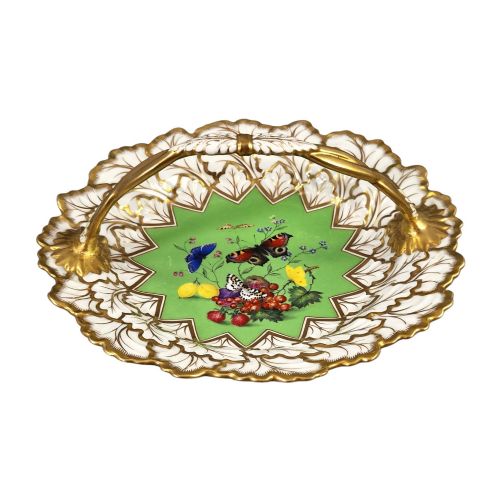
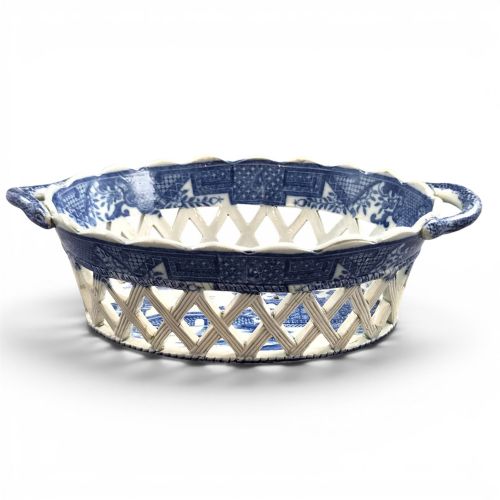
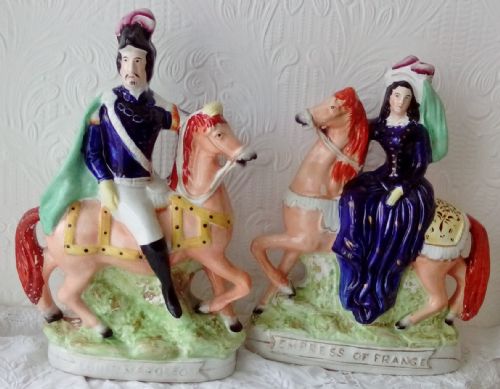
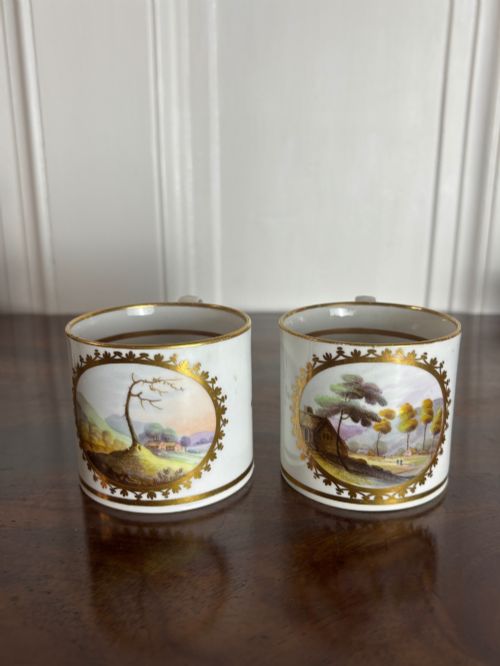
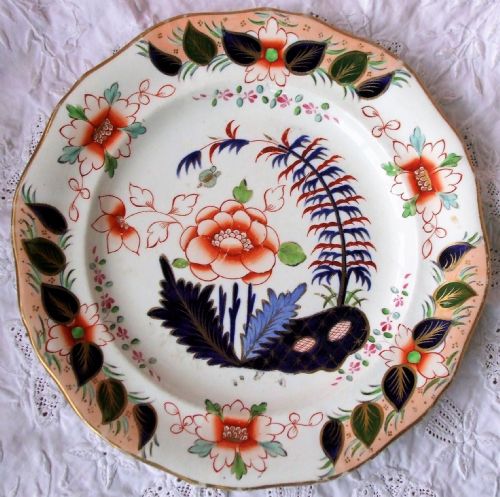
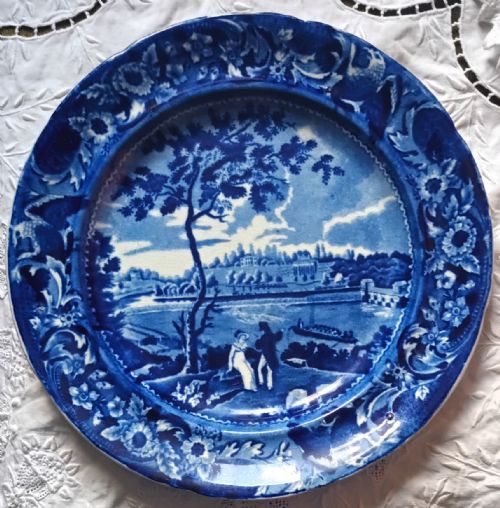
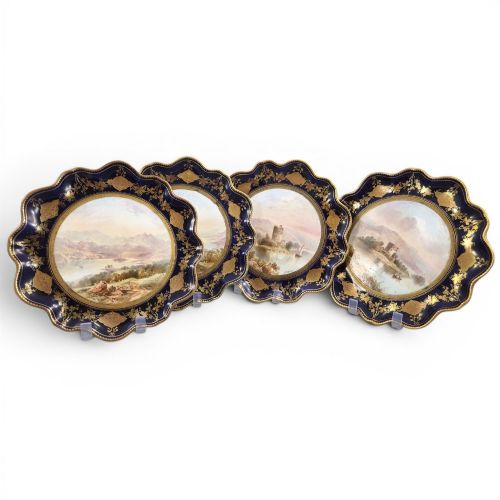
Nineteenth century english porcelain spans functional dining wares and decorative items produced across Georgian, Regency, and Victorian periods. Pieces range from transfer-printed dinner plates and ironstone jugs to hand-painted cabinet plates and campana vases.
The objects on this page originate from established potteries and factories operating in Staffordshire, Worcester, and other manufacturing centres. Buyers encounter tableware such as sugar bowls, serving dishes, and tea services alongside ornamental garden seats, jardinières, and figures.
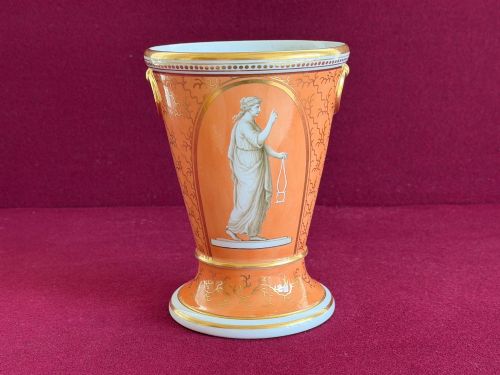
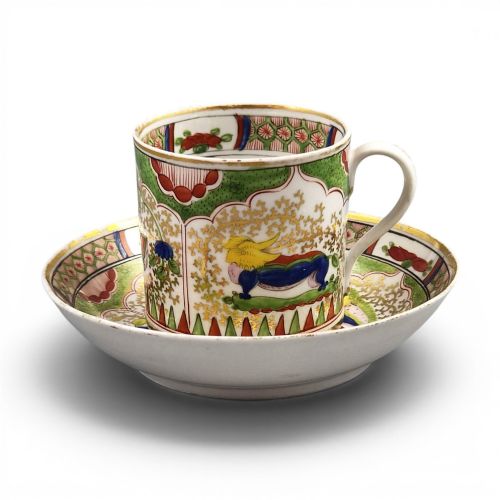
Forms follow historical shifts in taste, moving from neoclassical restraint into exuberant Regency Chinoiserie and detailed Victorian floral or landscape compositions. Functional vessels sit alongside display items intended for cabinet shelves and drawing room mantelpieces.
Materials and production methods
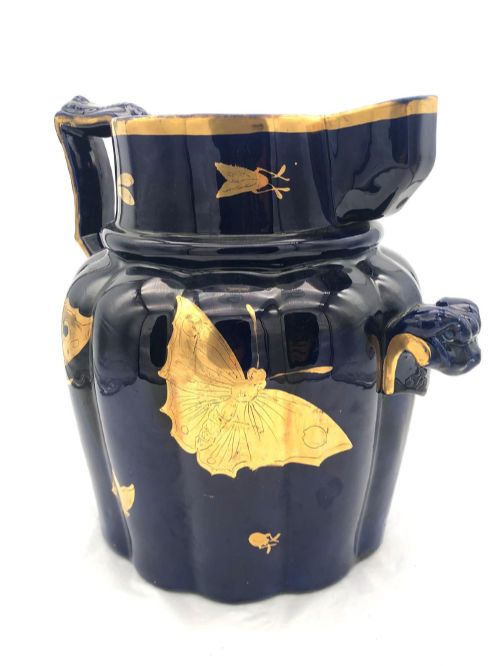
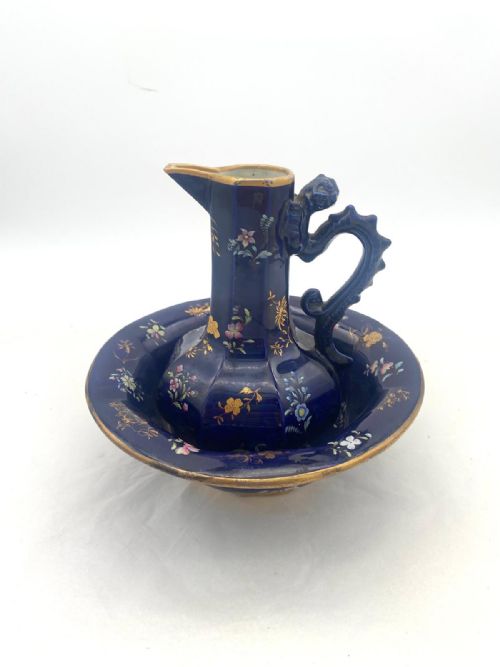
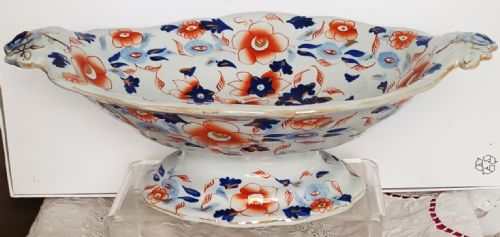
Makers utilised porcelain, ironstone, and earthenware bodies shaped through moulding, casting, and throwing on the potter's wheel. Ironstone provided a durable, heavy alternative to traditional soft-paste and hard-paste porcelain for large jugs, footbaths, and dinner services.
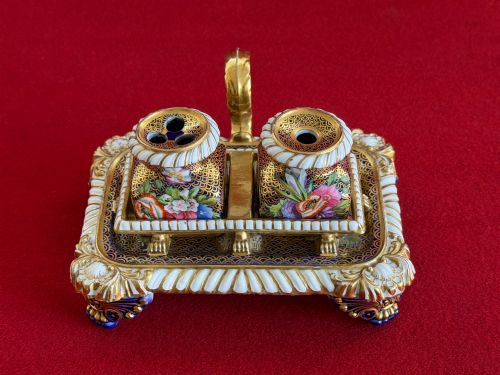
Decoration relied on hand-painting, transfer printing in blue and other colours, and applied enamels. Gilding with gold leaf added metallic contrast to borders, handles, and crests on armorial plates and campana vases.
Nineteenth Century English Porcelain Retail Price Guide 2026
Typical asking prices for nineteenth century english porcelain among the pieces listed under this phrase on Sellingantiques today, from the lower quarter to the upper quarter. They describe what is for sale here now, not the wider market.
Listings feature porcelain, ironstone, and earthenware formed into plates, jugs, vases, and figures across the nineteenth century.
Standards of craftsmanship
Quality depends on the precision of the body and the execution of the surface decoration, whether painted by hand or applied via transfer. Superior pieces display crisp moulding, well-defined transfer details, and finely controlled enamel work without blurring.
The reputation of the manufactory and the presence of named views, armorial crests or known artists elevate individual items. Heavier ironstone pieces demonstrate quality through structural balance and the crispness of relief-moulded details.
Spode·Flight and Barr·Masons Ironstone·Chamberlain Worcester·Coalport·Minton·Aynsley·Ridgeways·Doulton Burslem·John Davenport
The Nineteenth Century English Porcelain Glossary
- Ironstone
- A heavy, durable type of earthenware patented by Charles Mason that bridges pottery and porcelain. It resisted chipping and suited large decorative vessels and dinner services.
- Transfer printing
- A mechanical method of applying complex designs to ceramic surfaces from an engraved copper plate via tissue paper. It allowed consistent reproduction of detailed landscapes and patterns.
- Campana
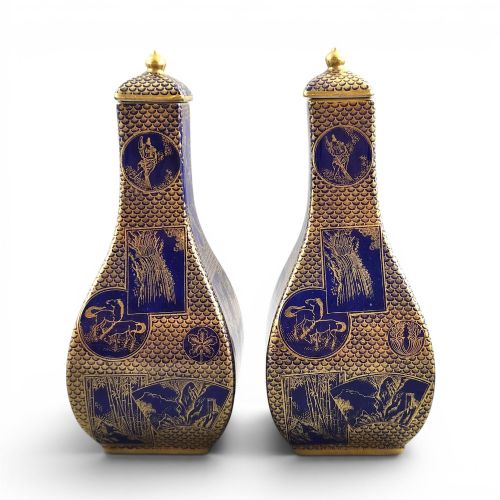
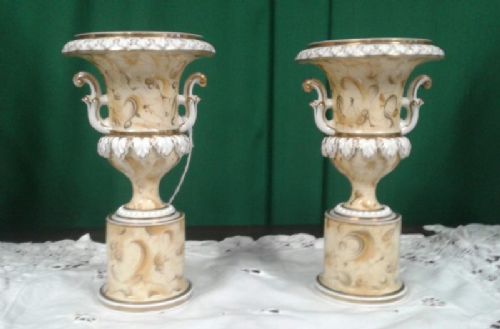
- A bell-shaped vase form popular during the Regency and Victorian periods, often set on a square plinth base. These vessels were used for display on mantelpieces and sideboards.
- Armorial
- Decoration featuring a family crest, coat of arms, or motto painted or printed on the ceramic surface. These bespoke services were commissioned by landed families.
- Sucrier
- A covered container designed to hold sugar for tea service. They appear in porcelain and ironstone alongside matching cream jugs and teacups.
Nineteenth Century English Porcelain: Frequently Asked Questions
How do I identify a period?
Periods are identified through form, decorative style, and factory marks stamped or painted on the base. Regency pieces often feature neoclassical shapes or Chinoiserie motifs, whereas Victorian items frequently display bolder floral painting or heavier relief moulding.
Changes in ceramic bodies also help distinguish dates, as ironstone gained prominence alongside refined porcelain bodies during the early decades of the century.
Were these pieces used daily?
Many items, such as dinner plates, serving dishes, and tea sets, were produced for daily dining and entertaining in Georgian and Victorian households. Robust ironstone services handled regular use, while delicate porcelain plates and cabinet cups were reserved for formal occasions.
Other objects, including campana vases, pastille burners, and decorative figures, served an exclusively ornamental purpose in drawing rooms.
How should I display them?
Display depends on the form, with cabinet plates suited to wall mounting or plate stands, and vases placed on sideboards or mantelpieces. Heavier ironstone vessels and garden seats function well as standalone statement pieces in living spaces.
Care should be taken to place delicate porcelain away from high-traffic edges to protect gilded rims and hand-painted enamel surfaces.
What is felspar porcelain?
Felspar porcelain is a specific body introduced by Spode containing feldspar, which increased the whiteness and translucency of the ware. It offered enhanced durability compared to earlier soft-paste formulations while maintaining a fine surface for enamel painting and gilding.
Items produced in this body often carry specific factory marks referencing the felspar patent alongside the pattern number.