
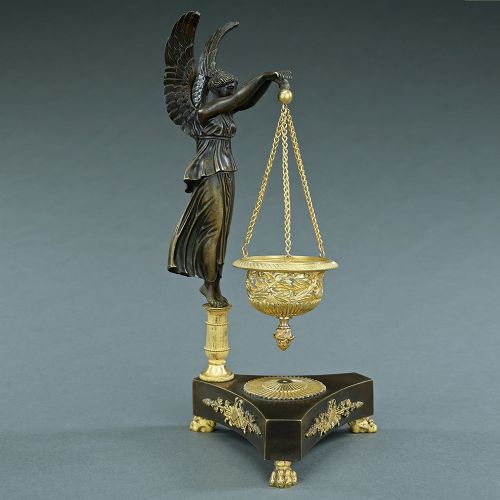
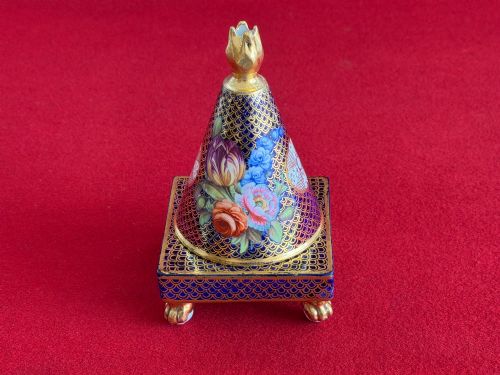


Antique Pastille Burner
These antique pastille burner pieces are scented vessels designed to diffuse perfume, offering collectors charming ceramic architecture for the mantelpiece.
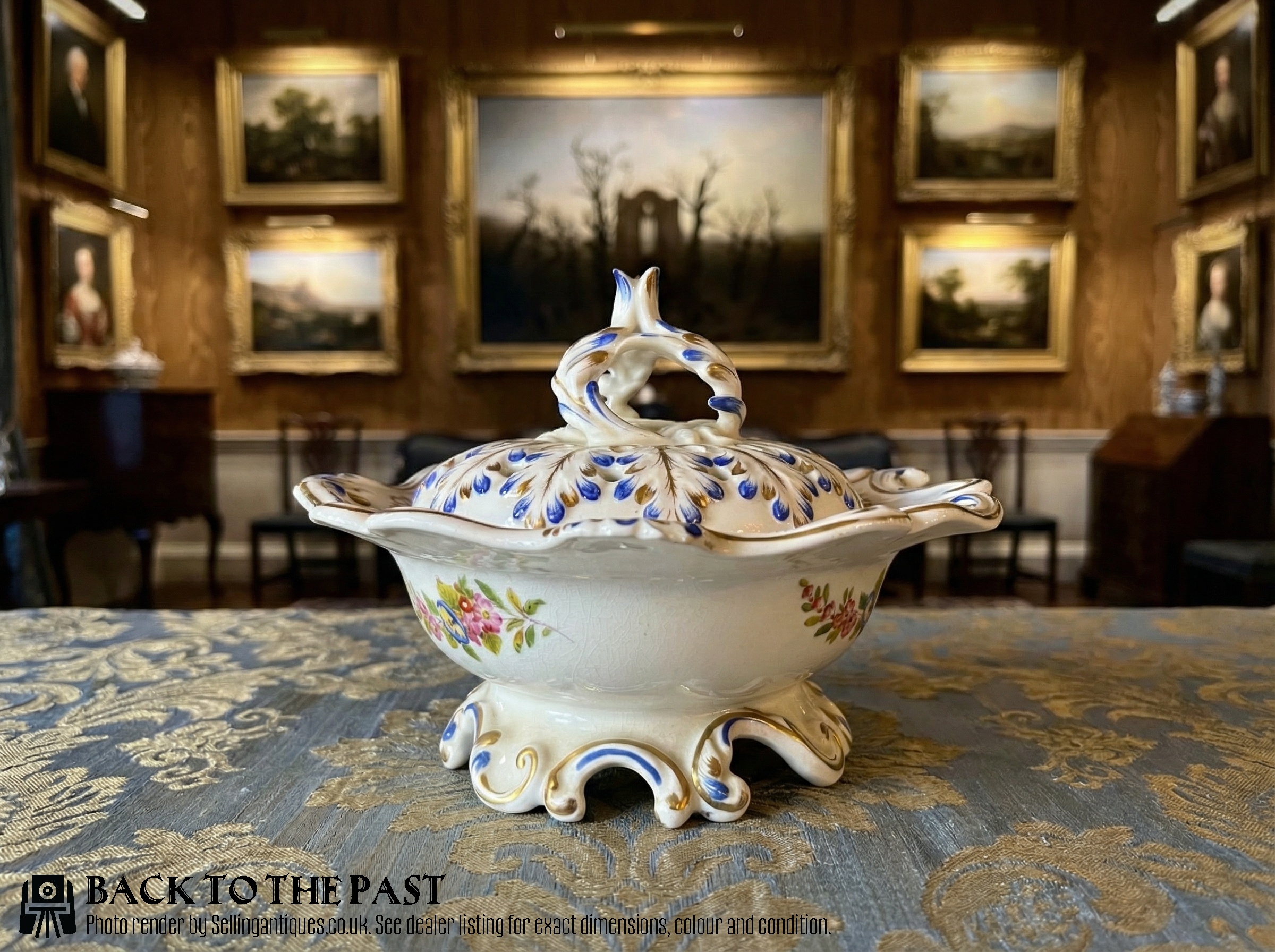
Antique Pastille Burner
An antique pastille burner is a small decorative vessel or ornament created to release fragrant smoke from scented pastilles into a room. When you examine the selection here, you will find cottage forms, castles, and lidded vases designed in these traditional shapes.
Makers and factories such as Chamberlain Worcester, Mexborough, Flight Barr & Barr, and Staffordshire potteries account for the regional styles found within the collection. Collectors frequently encounter earthenware and porcelain bodies decorated with glaze, enamel, and gold leaf.
How they were made
Potters shaped these vessels using earthenware, pearlware, and porcelain, forming the architectural bodies of cottages and castles by hand or in moulds. Painted enamel and intricate glaze finishes were applied to the ceramic surfaces to create realistic roof tiles, windows, and masonry details.
Finishing touches involved the application of gold leaf and gilt highlights to accentuate the architectural trims and decorative mouldings on Regency and Victorian examples. Toleware versions were constructed from shaped metal sheets painted and varnished for durability.
Miniature ceramic chimneys double as smoke vents, puffing fragrant perfume from tiny porcelain cottages on the parlour mantelpiece.
What varies in quality
The crispness of the modelled architectural details, such as individual roof tiles and window frames, separates fine examples from simpler production pieces. Crisp hand-painting and well-preserved enamel colours indicate superior craftsmanship from prominent factories.
The sophistication of the ceramic body and the precision of the gilding determine the upper tier of the range. Intricate roof ventilation holes and well-balanced proportions demonstrate a higher standard of manufacture in pastille burners and cottage ornaments.
Chamberlain Worcester·Mexborough·Flight Barr & Barr·Royal Worcester
The Antique Pastille Burner Glossary
- Pastille burner
- A small decorative vessel designed to hold and burn scented pastilles to freshen indoor air. These objects often take the form of miniature cottages or classical buildings.
- Pearlware
- An earthenware body developed in the late eighteenth century featuring a subtle bluish glaze that pooled in recesses. It was widely used for Staffordshire figures and cottage ornaments.
- Toleware
- Painted or enamelled metalware popular during the Regency period. Items in this medium often feature dark backgrounds with gilt decoration.
- Staffordshire pottery
- Earthenware produced by numerous factories in the Staffordshire region of England. The output includes cottages, figures, and money boxes from the nineteenth century.
Antique Pastille Burner: Frequently Asked Questions
What is an antique pastille burner?
An antique pastille burner is a small ceramic or metal vessel made to hold fragrant pastilles which were burned to scent the home. They were particularly popular during the Georgian, Regency, and Victorian periods.
Many examples take the form of miniature cottages, castles, or classical urns with pierced roofs or lids to allow the scented smoke to escape.
How were pastille burners used?
These vessels were placed in living rooms and bedrooms to mask household odours and freshen the indoor atmosphere during the eighteenth and nineteenth centuries. Users lit a scented paste pastille inside the base and replaced the lid.
The smoke drifted gently through the chimneys and windows of the porcelain or earthenware structures, perfuming the surrounding space.
How do I identify a Regency piece?
Regency pastille burners often feature refined porcelain bodies, sophisticated painting, and classical architectural motifs produced by factories like Chamberlain Worcester. The palette frequently includes rich enamel colours and careful gilding.
In contrast, later Victorian Staffordshire pieces tend to be heavier earthenware with bolder, more rustic modelling and simpler hand-painted details.
What materials were used?
Makers utilised porcelain, earthenware, pearlware, and ceramic bodies to construct the main architectural forms. These were finished with coloured glazes, painted enamel details, and gold leaf.
Some examples from the Regency period were also fashioned from painted metal tooleware rather than pottery.