



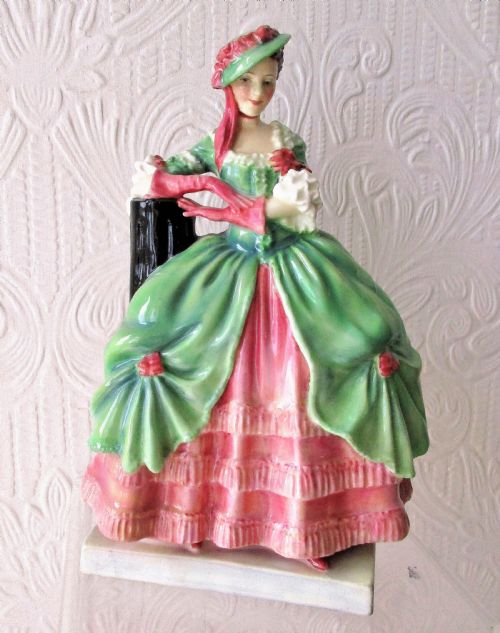
English Porcelain Collectible
An english porcelain collectible brings centuries of ceramic artistry into your home, ranging from Georgian cabinet plates to twentieth-century figures.
English Porcelain Collectible
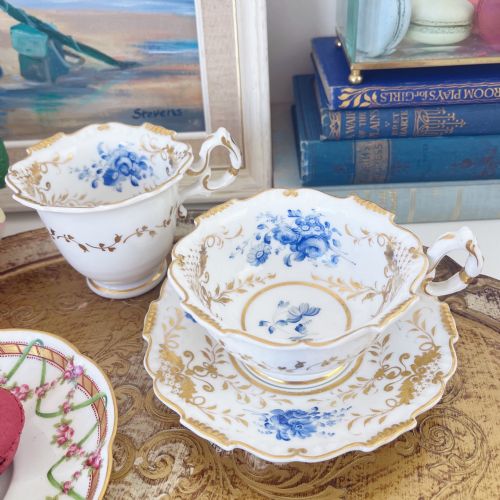
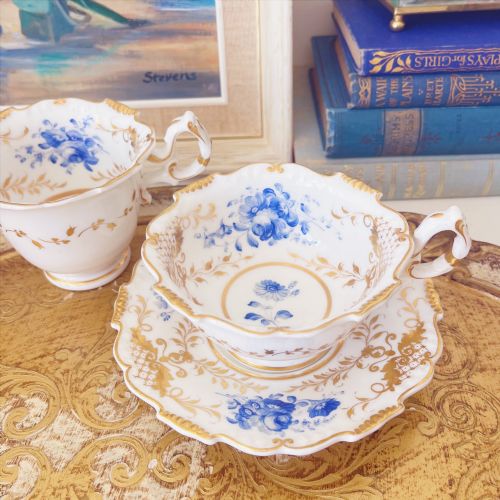
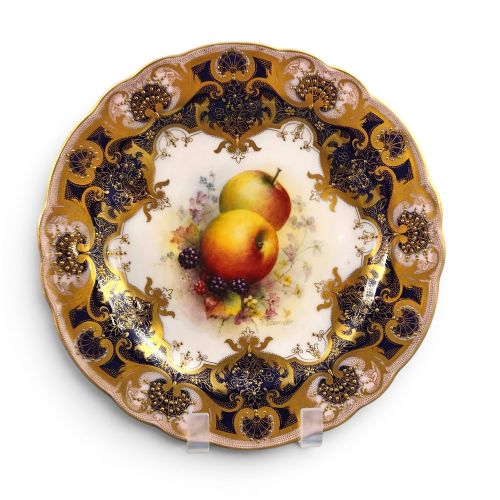
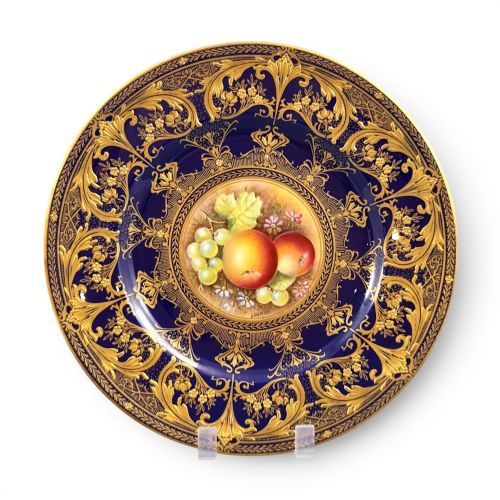
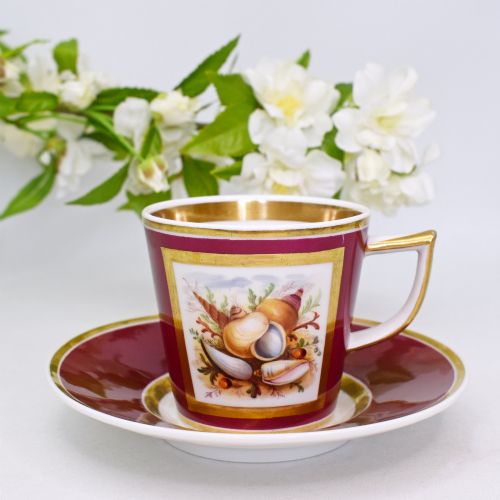
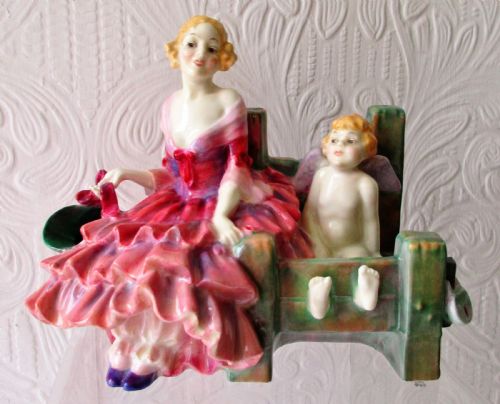
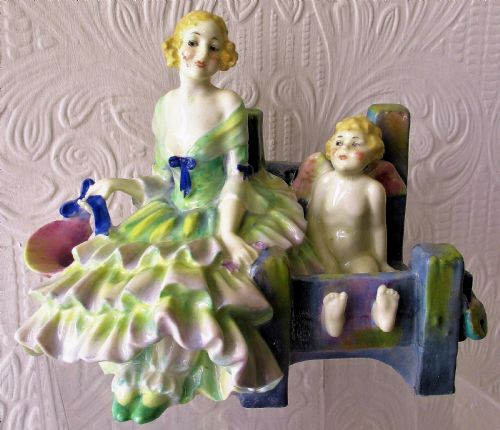
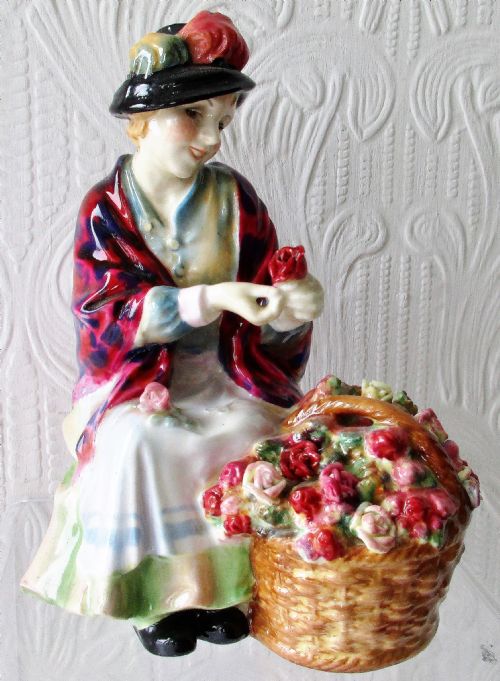
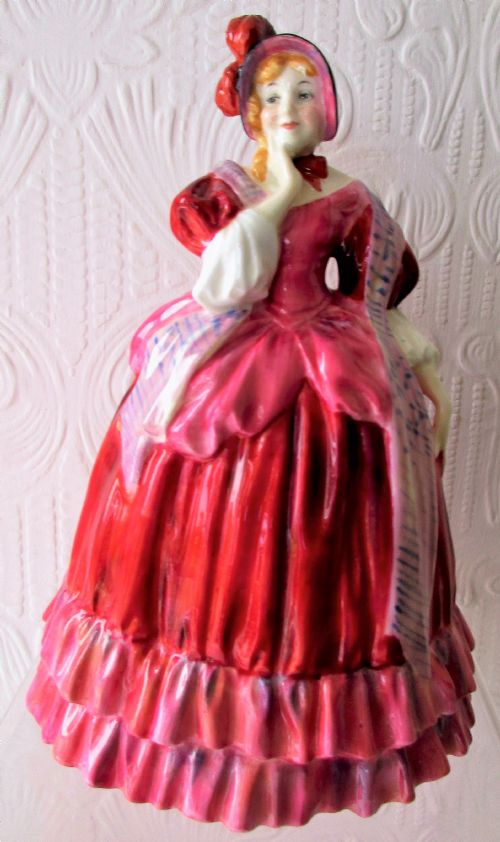
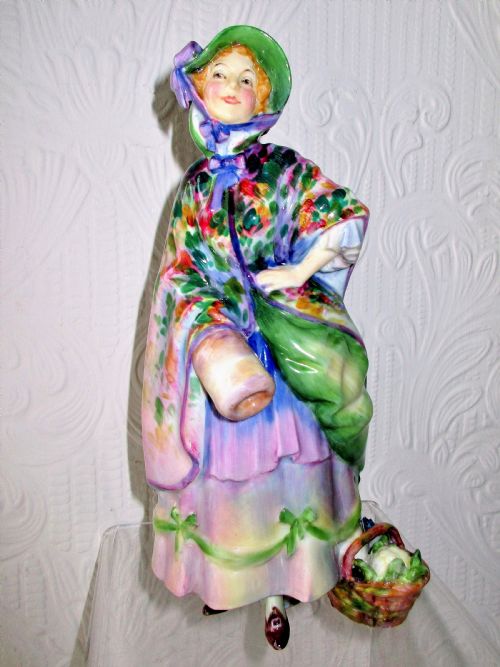
When you search for an english porcelain collectible, you encounter a diverse range of items including hand-painted cabinet plates, delicate teacups, and decorative figurines. The pieces available span from the eighteenth century through the Georgian and Victorian eras up to the mid-twentieth century.
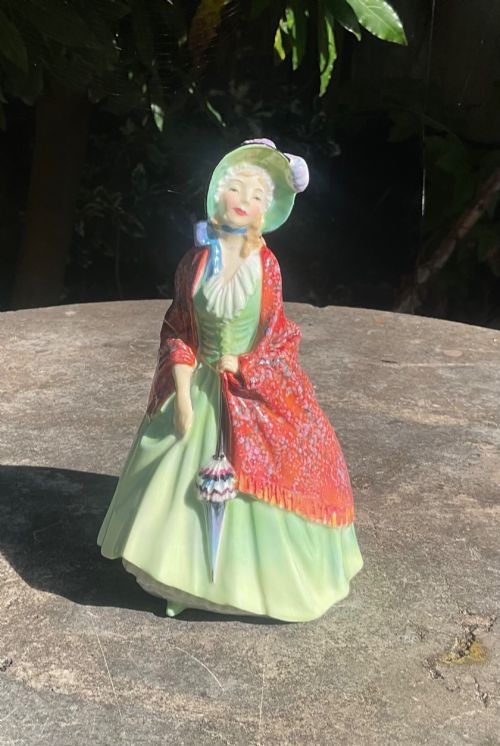
The selection on this page relies heavily on renowned factories and workshops, with Royal Worcester, Derby, and Royal Doulton representing prominent origins. Figurines and painted fruit plates appear frequently alongside tea wares and decorative vessels.
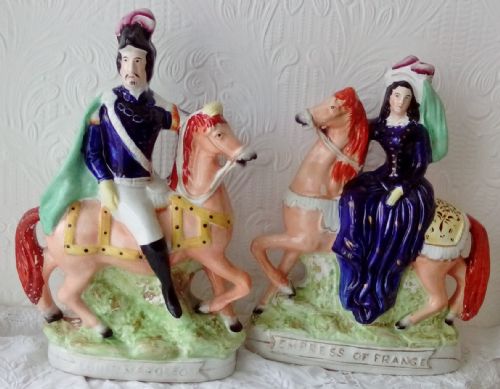
Collectors often focus on specific periods or styles, such as Regency tea sets or Art Deco figures, matching their display preferences to historical periods. Every item carries the distinct manufacturing traits of its era, from early pearlware animals to later bone china dinner plates.
Materials and Techniques
Potters utilised fine porcelain and bone china as the primary bodies for these objects, often applying smooth glazes to create a durable surface. Enamel colours and gold leaf embellishments were then added by hand to define intricate patterns and scenes.
Gilding and detailed hand-painting required skilled artisans to decorate cabinet plates, vases, and figures before final firing. Makers employed specialised glazing techniques to achieve the characteristic sheen found on eighteenth and nineteenth-century tableware.
Materials recorded across the inventory include bone china, gold leaf, enamel, and glazed porcelain.
Assessing Quality
The finesse of the hand-painting distinguishes superior pieces, particularly on cabinet plates where artists rendered botanical studies or landscapes with precision. Superior modelling in figurines ensures facial expressions and drapery remain crisp and well-defined.
The richness and preservation of the enamel colours and gilding influence the overall appeal of a piece. Early works from established factories demonstrate greater complexity in design and execution compared to standard production wares.
H and R Daniel·Royal Doulton·Royal Worcester·Yates Leeds·Flight Barr and Barr·Wedgwood·Coalport
The English Porcelain Collectible Glossary
- Bone China
- A type of porcelain containing bone ash, known for its high strength, opacity, and milky white appearance.
- Cabinet Plate
- A decorative plate intended for display in a cabinet or on a wall rather than for daily dining use.
- Enamel
- Opaque glass-like substances fused to the surface of porcelain during firing to provide bright surface colours.
- Gilding
- The application of gold leaf or gold paint to ceramic surfaces for decorative accentuation.
- Pearlware
- A fine-grained earthenware developed by Josiah Wedgwood in the late eighteenth century with a bluish-white glaze.
- Trio
- A matched set consisting of a teacup, a coffee cup, and a saucer.
English Porcelain Collectible: Frequently Asked Questions
How do I identify eighteenth-century porcelain?
Examine the paste, glaze characteristics, and underglaze blue markings common to early factories like Worcester and Derby. Unmarked pieces often require stylistic comparison with documented archival examples.
Hand-applied enamels and softer glaze textures further help separate early eighteenth-century production from later Victorian manufacturing methods.
Were painted fruit plates used for dining?
Fine painted fruit plates served primarily as cabinet pieces for display or dessert service among wealthy households. Artists signed many of these plates, indicating they were meant to showcase artistic skill.
Their delicate gilding and detailed fruit studies made them unsuitable for everyday heavy dining use.
What is a coffee cup trio?
A trio typically comprises a matching teacup, coffee cup, and saucer produced together by factories such as H and R Daniel. This combination allowed households to serve different hot beverages in matching ceramics.
They represent popular collectible groups because finding all three matching pieces intact remains uncommon.
How should I display porcelain figurines?
Display figurines in enclosed cabinets away from direct sunlight to protect enamel colours and delicate gilding from fading. Stable shelving prevents accidental tipping of fragile models.
Proper lighting inside a cabinet highlights the fine modelling and hand-painted details without exposing the ceramic to environmental dust.