
18th Century Worcester
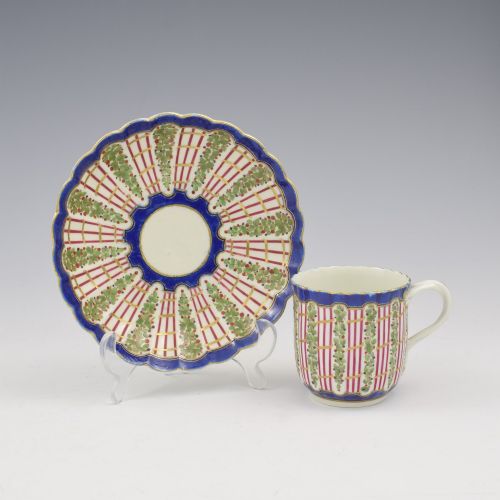
When you search for 18th century worcester, you encounter delicate soft-paste porcelain tea wares and tableware produced in Georgian England.
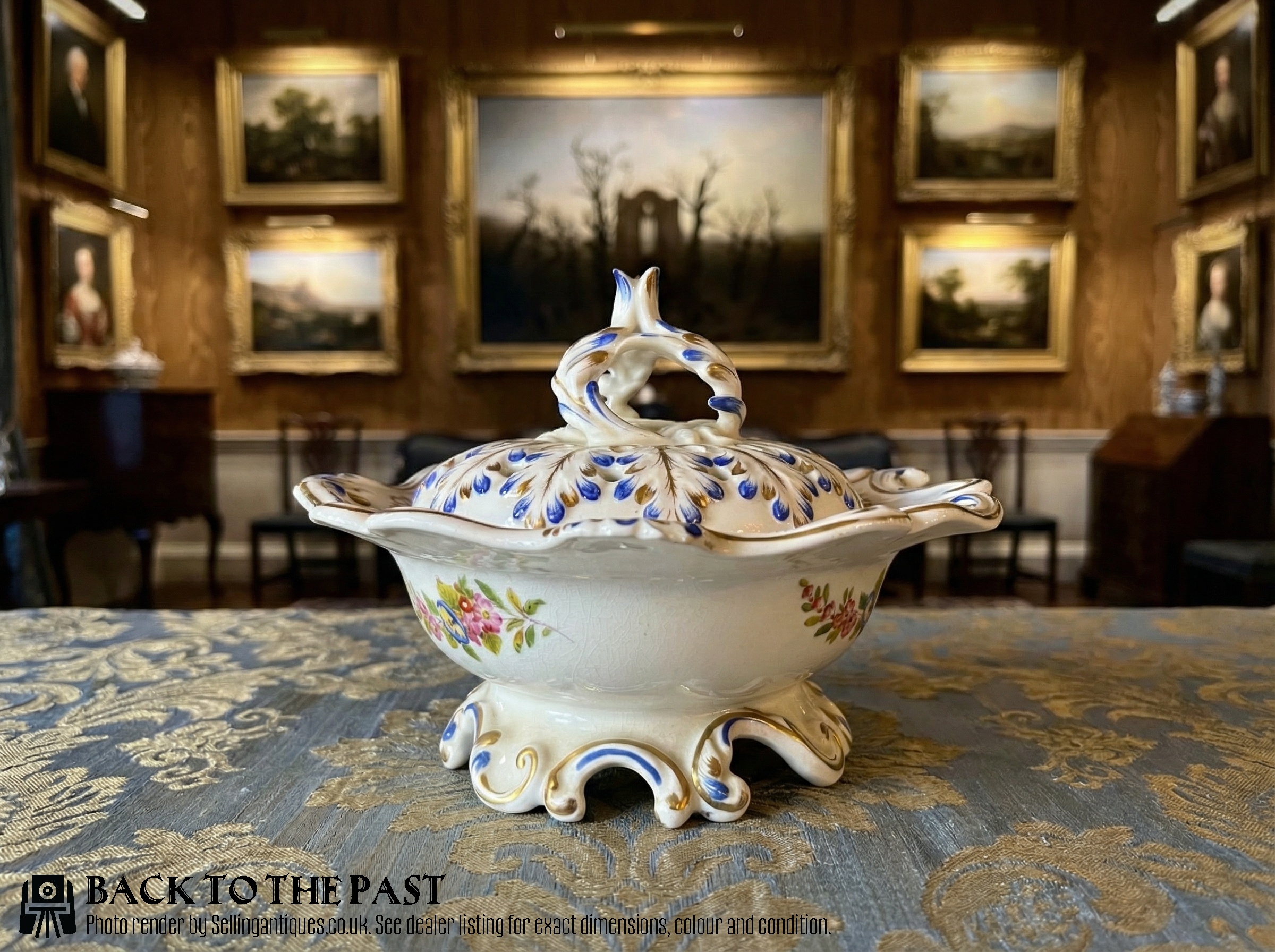
18th Century Worcester
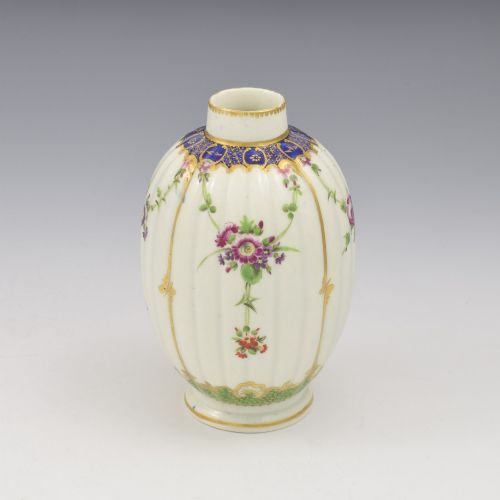
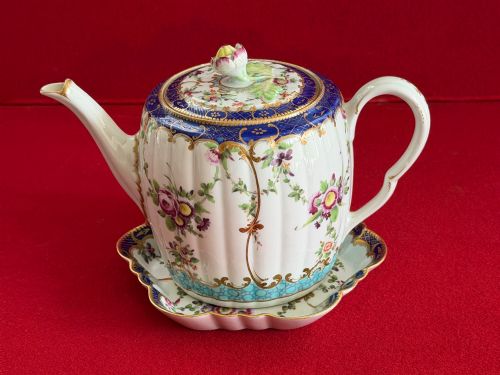
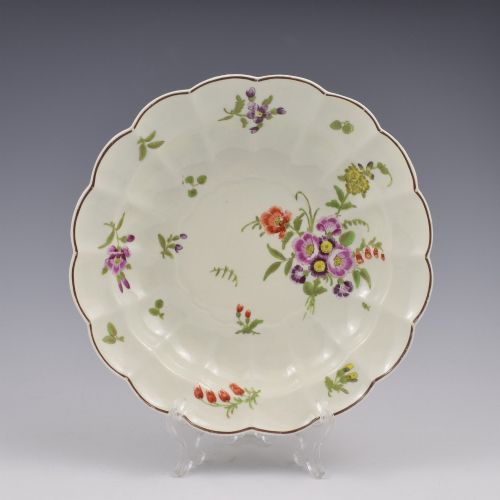
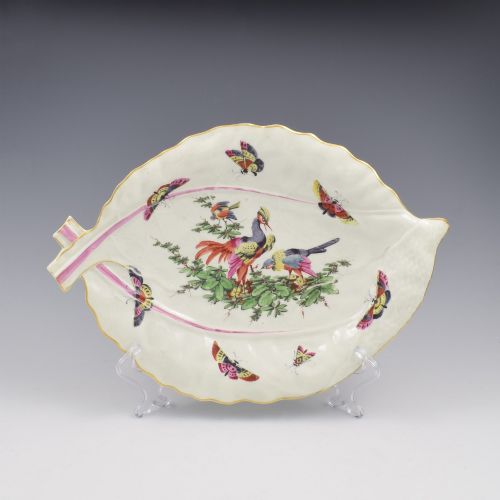
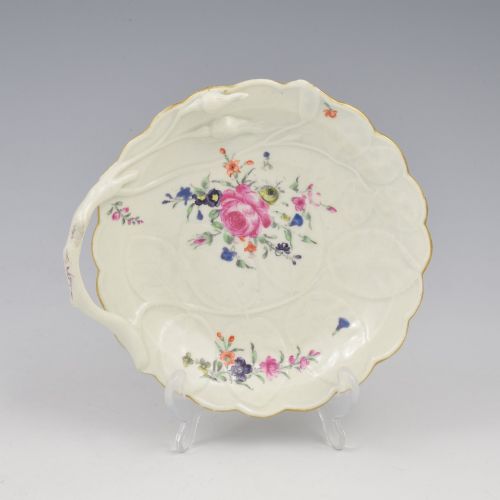
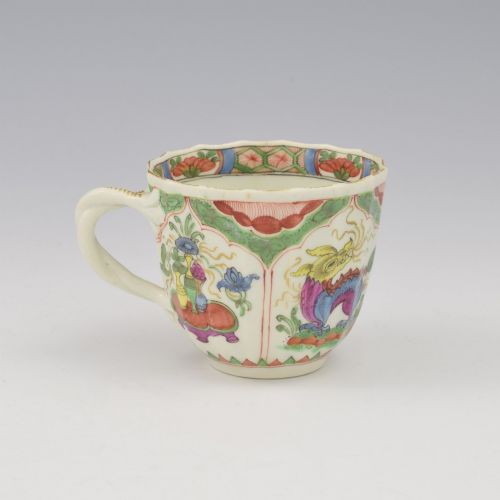
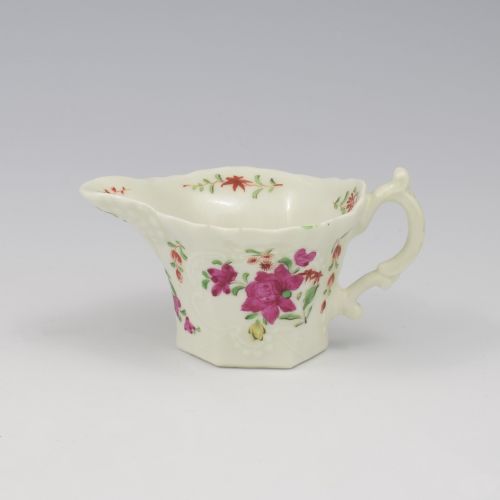
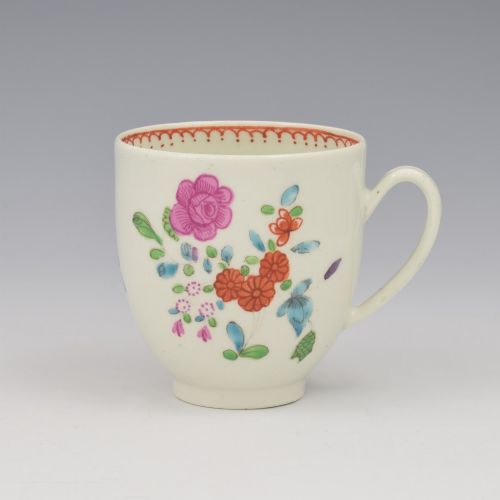
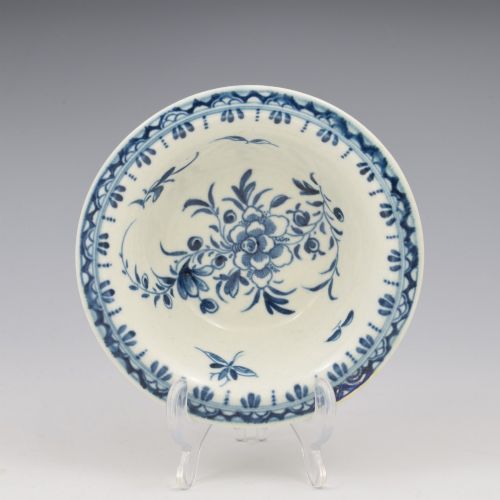
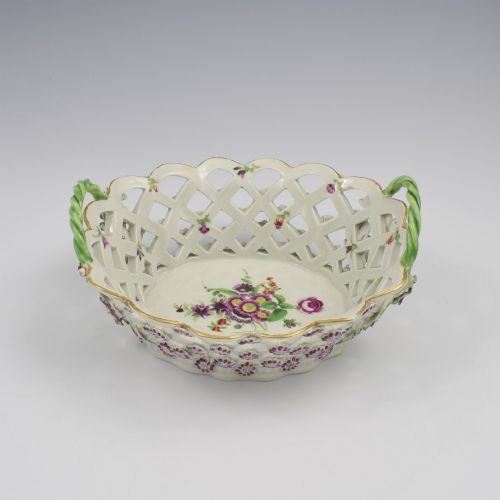
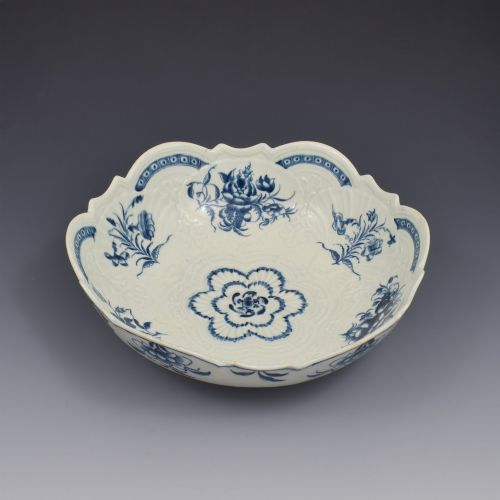
When you search for 18th century worcester, you encounter utilitarian and decorative wares from the Georgian period, primarily originating from the famed Dr Wall or First Period factory. The pieces span practical items such as teapots, milk jugs, coffee cups, and sauce boats, alongside decorative dishes and chestnut baskets.
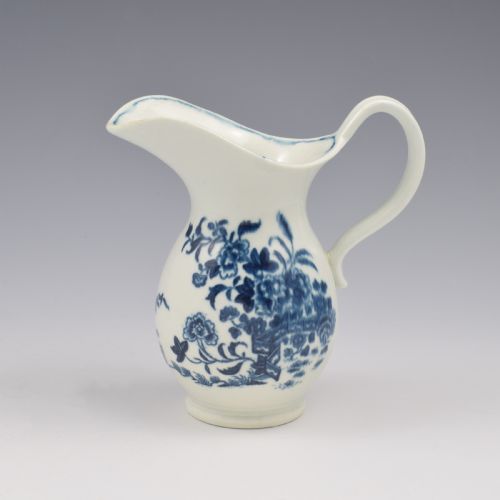
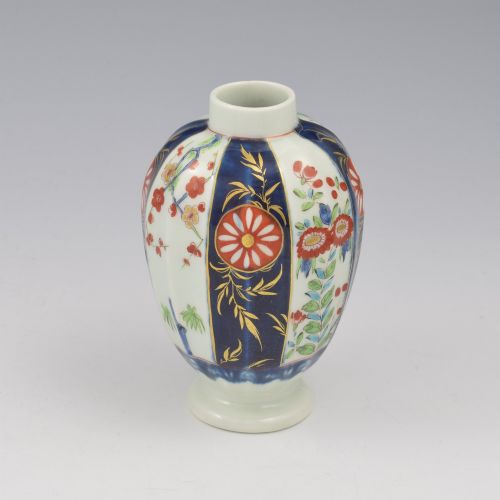
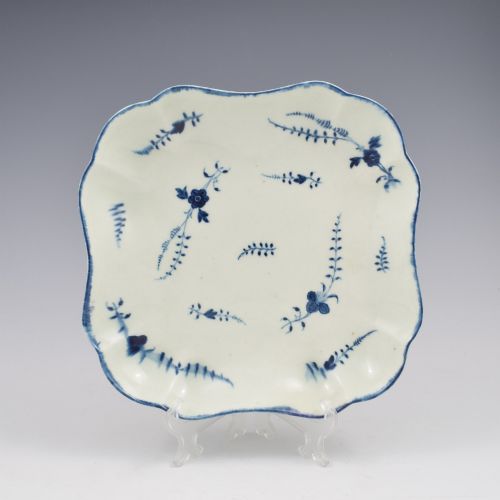
You are most likely to meet blue and white tablewares decorated with patterns like the Fisherman or Pine Cone design, alongside polychrome items featuring Chinoiserie or floral motifs. Forms range from simple tea bowls to elaborate shell centrepieces and punch bowls.
The selection also includes later Georgian iterations associated with Flight and Barr or Chamberlain, showing the evolution of the manufactory into the nineteenth century. Each piece reflects the refined domestic habits of Georgian society.
What Varies in Quality
The standard of 18th century worcester depends heavily upon the crispness of the moulding and the clarity of the painted decoration. Superior examples display precise brushwork, particularly in detailed exotic birds, scale blue grounds, or intricate Chinoiserie figures, whereas lesser pieces show rushed or simplified painting.
18th Century Worcester Retail Price Guide 2026
Typical asking prices for 18th century worcester among the pieces listed under this phrase on Sellingantiques today, from the lower quarter to the upper quarter. They describe what is for sale here now, not the wider market.
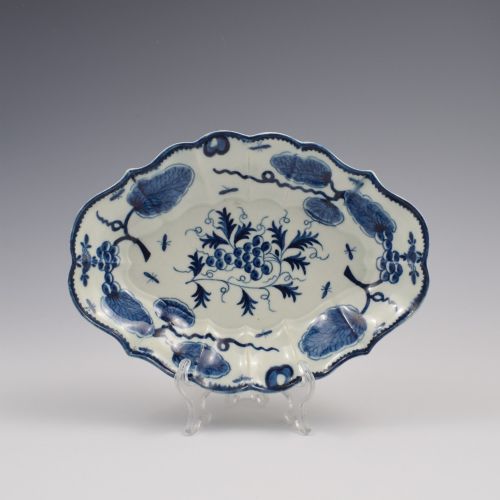
Early decorators occasionally painted small bugs or hidden insects on leaf dishes to disguise tiny firing flaws in the porcelain.
Flight and Barr Worcester·Chamberlain Worcester·James Giles Atelier
The 18th Century Worcester Glossary
- Soft-paste porcelain
- A ceramic composition containing glass frit and soapstone rather than hard-paste kaolin, fired at lower temperatures to achieve a translucent body. It forms the foundation of nearly all early Worcester items.
- Chinoiserie
- A European artistic style reflecting Chinese motifs, heavily utilised on Worcester tea wares and bowls. Figures, pagodas, and fantastic landscapes dominate these painted scenes.
- Underglaze blue
- A decoration technique where cobalt oxide is applied to the raw ceramic body before glazing and firing. This method ensures the blue colour is permanently sealed beneath the shiny glass surface.
- Dr Wall period
- The foundational era of the Worcester porcelain factory, operating from the mid to late eighteenth century under the direction of Dr John enthusiasts. Pieces from this era are highly sought after by collectors.
- Sparrow beak jug
- A small cream or milk jug characterised by a pinched, bird-like pouring spout and a loop handle. They are quintessential components of Georgian tea sets.
18th Century Worcester: Frequently Asked Questions
How do I identify First Period Worcester porcelain?
First Period pieces generally feature soft-paste bodies with characteristic glaze pooling around the base and hand-painted blue or polychrome decoration.
Collectors look for specific crescent marks, simulated Chinese characters, or square fretted marks painted under the glaze.
What was a sparrow beak jug used for?
These small jugs served to pour milk or cream during formal tea service in Georgian parlours.
Their distinctive pinched spouts allowed precise pouring into delicate tea bowls and cups.
How do I care for 18th century porcelain?
These fragile soft-paste items require gentle hand washing in lukewarm water using mild soap, avoiding modern dishwashers entirely.
Display them away from direct sunlight and sudden temperature shifts to protect the historic enamels and gold leaf.
What is the difference between blue and white and polychrome Worcester?
Blue and white pieces rely solely on cobalt oxide painted under the glaze before a single high-temperature firing.
Polychrome items require an initial firing followed by subsequent kiln runs to bond enamel colours and gilding over the glaze.