



Polychrome Porcelain Basket
A polychrome porcelain basket brings vibrant, painted floral detail and pierced craftsmanship into a room.
Polychrome Porcelain Basket
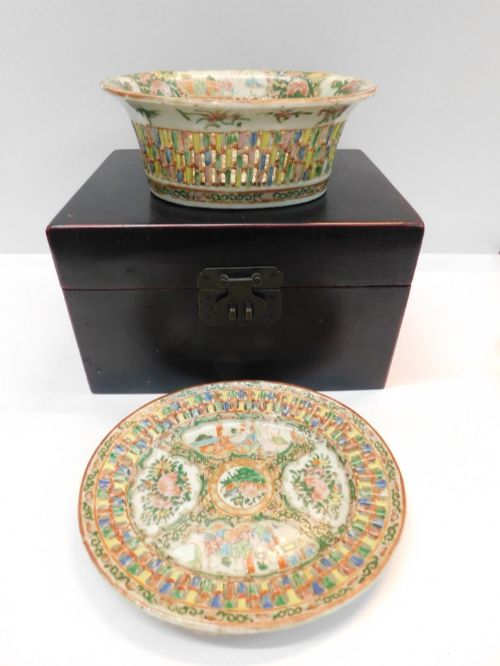
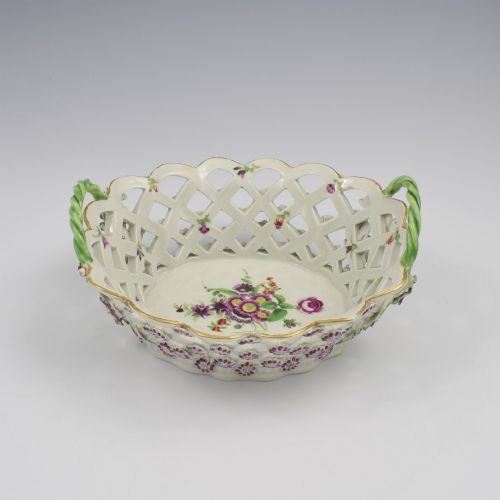
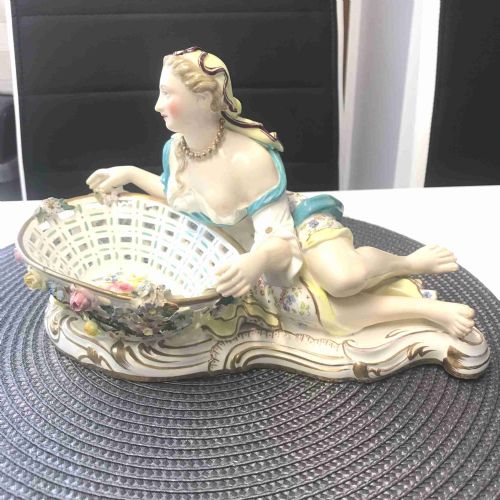
When searching for a polychrome porcelain basket, a buyer encounters intricately decorated vessels and figural pieces spanning the eighteenth and nineteenth centuries. These items range from eighteenth-century chestnut baskets and stands to sweetmeat dishes and figural sweet baskets associated with European and Chinese traditions.
The versions most commonly met on this page include eighteenth-century pieces from English factories such as Derby and Worcester, alongside continental figures and centrepieces from Meissen, Bow, Limbach, and Volkstedt. Styles vary from Rococo Revival and Qing Dynasty designs to Georgian and Victorian expressions.
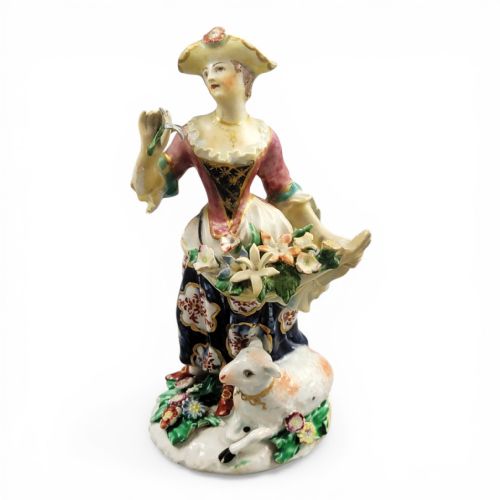
Beyond traditional reticulated baskets, the selection includes porcelain figures holding baskets, bouquetiere figures, and hand-painted vases. These decorative objects display varied origins and forms while retaining a shared emphasis on painted enamel decoration and porcelain manufacture.
How they were made
Manufacturers shaped these items using hard-paste and soft-paste porcelain, employing manual techniques to achieve pierced reticulated walls and detailed figural modelling. Craftsmen formed complex structures like chestnut baskets and covers, as well as standalone decorative bowls and figurines.
Surface decoration relied on enamel colours applied beneath or over the glaze, often enhanced with gold leaf and gilding. Artisans painted floral motifs, landscapes such as the Menai Bridge, and elaborate scenes onto the porcelain body before firing.
Listings feature porcelain from the eighteenth century, the Georgian era, the Regency period, and the Victorian era, using enamel, gold leaf, and glaze.
What varies in quality
The refinement of the painted enamel work and the precision of the gilding set individual pieces apart. Finer examples display meticulous brushwork in floral details and landscapes, whereas simpler items show broader application.
The complexity of the moulding and the execution of reticulated piercing also distinguish the range. Elaborate figural groupings and crisp openwork demonstrate higher levels of artisanal skill than standard vessels.
Derby Porcelain·Dr Wall Worcester·Meissen·Bow Porcelain·Limbach Porcelain·Volkstedt Porcelain·Chamberlain Worcester
The Polychrome Porcelain Basket Glossary
- Polychrome
- Decoration using multiple enamel colours. This technique allows for vibrant painted scenes and floral motifs across the porcelain surface.
- Reticulated
- Openwork pierced in a net-like pattern. Makers used this technique on chestnut baskets and decorative bowls to create intricate lattice walls.
- Soft-paste porcelain
- An artificial porcelain composition fired at lower temperatures than hard-paste. Early English factories frequently utilised this material for figures and baskets.
- Gilding
- The application of gold leaf or gold paint to the surface. It highlights rims, handles, and decorative accents on porcelain items.
- Sweetmeat dish
- A small vessel designed for serving confectionery or dried fruits. These often take ornate basket or figural forms.
Polychrome Porcelain Basket: Frequently Asked Questions
How do I identify eighteenth-century porcelain?
Identifying eighteenth-century porcelain involves examining the paste composition, glaze characteristics, and painting style. Soft-paste and hard-paste bodies display different translucency levels under light.
Factory origins are further indicated by hand-painted enamel palettes, specific forms like Rococo revival styling, and historical decorative motifs.
Where were porcelain sweetmeat figures made?
Porcelain sweetmeat figures were produced primarily by European factories in Germany and England during the eighteenth and nineteenth centuries. Meissen, Bow, and Volkstedt are notable examples.
These figural arrangements incorporated baskets or dishes intended to hold small sweetmeats for guests during formal dining occasions.
How should I display a porcelain basket?
Displaying a porcelain basket requires a stable surface away from direct sunlight and heavy foot traffic. Cabinets or designated display shelves protect the delicate enamel and gilt surfaces from accidental damage.
Placement should allow clear visibility of both the painted details and the pierced reticulated craftsmanship.