




Pink Famille Rose Dish
These pink famille rose dish examples bring vibrant palette enamel work and intricate hand-painted detail straight to the table.
Pink Famille Rose Dish
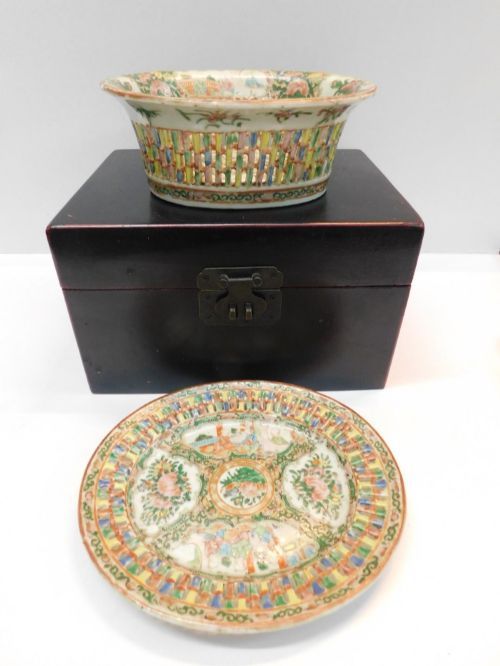
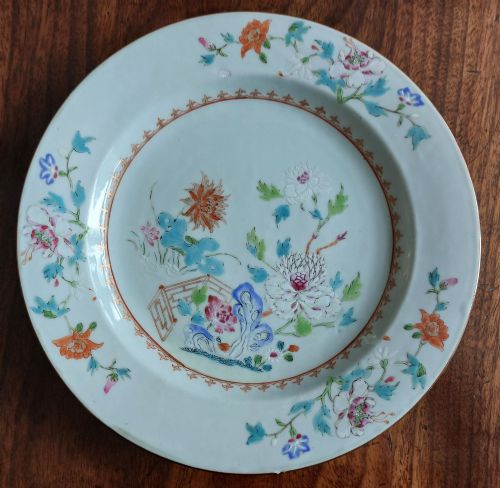
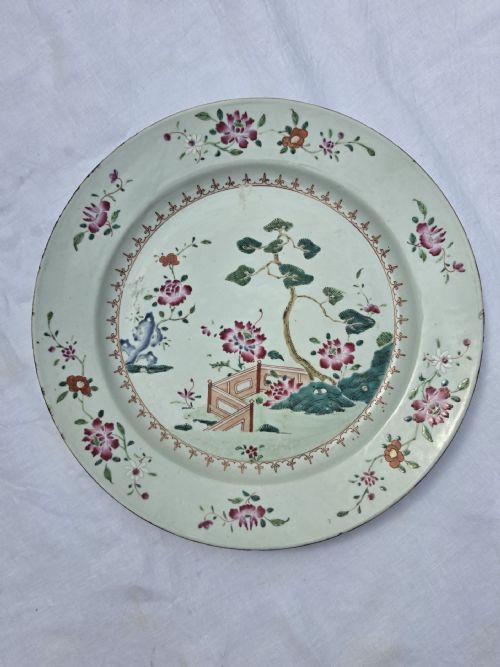
A pink famille rose dish represents the pinnacle of Chinese export porcelain craftsmanship, defined by a dominant pink enamel palette developed during the 18th century. Buyers seeking a pink famille rose dish will encounter various forms here, ranging from deep scalloped-edge chargers and pedestal vessels to delicate tea bowls and lidded boxes.
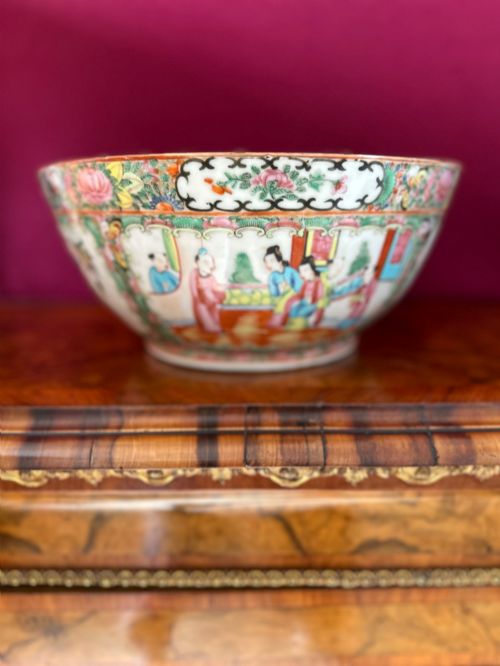
The pieces on this page span the Qianlong period of the 18th century through to Victorian-era Canton productions of the 19th century. Early examples often display armorial designs or Jesuit scenes, whereas later nineteenth-century pieces lean towards rich Canton and Rose Medallion figural motifs.
How they were made
Potters shaped hard-paste porcelain before applying intricate overglaze enamel paintings by hand. The characteristic pink tone relies on colloidal gold, a pioneering technique introduced to Chinese kilns from European trade influences.
Artisans layered rich enamels alongside gold leaf and gilding to accentuate specific motifs. Kiln firing fixed these colourful pigments to the surface, creating a durable and lustrous finish across plates, chargers, and bowls.
Pink Famille Rose Dish Retail Price Guide 2026
Typical asking prices for pink famille rose dish among the pieces listed under this phrase on Sellingantiques today, from the lower quarter to the upper quarter. They describe what is for sale here now, not the wider market.
Current listings span hard-paste porcelain forms from the 18th century to the Victorian era, utilising overglaze enamel, gold leaf, and gilding.
What varies in quality
Purity of the porcelain body and precision of the brushwork set the finest items apart from simpler utilitarian wares. Superior pieces exhibit crisp delineation in the enamel glazes, with every figure and flower rendered by a skilled hand rather than a hasty workshop.
The Pink Famille Rose Dish Glossary
- Famille rose
- A major palette of Chinese porcelain enamels introduced in the Qing dynasty, distinguished by its opaque pink colour derived from gold.
- Overglaze enamel
- Pigments applied on top of a previously fired and glazed porcelain surface before a lower-temperature secondary firing fixes the colours.
- Chinese export
- Porcelain specifically manufactured in China for the European and American markets from the 16th through the 19th centuries.
- Qianlong period
- The era of the Qianlong Emperor lasting from 1735 to 1796, noted for exceptional technical refinement in ceramics.
- Mandarin palette
- A decorative style featuring detailed interior and exterior figural scenes depicting court life and figures in landscapes.
Pink Famille Rose Dish: Frequently Asked Questions
How do I date a famille rose dish?
Dating relies on stylistic shifts, porcelain body weight, and enamel characteristics. Eighteenth-century pieces typically show thinner, more refined bodies with delicate Qianlong painting styles.
Nineteenth-century Canton and Victorian examples often feature denser porcelain and busier Rose Medallion or Mandarin figural panels filled with brighter, thicker enamels.
Can I use these dishes for serving food?
While these are historical ceramics, many robust plates and bowls remain physically capable of holding dry foods. Modern dishwashers and microwaves must be avoided to protect the fragile overglaze enamels and delicate gilding.
Hand washing in lukewarm water with mild soap is the only safe method for cleaning antique porcelain pieces.
What is the difference between Canton and Qianlong styles?
Qianlong wares generally date from the 18th century and exhibit restrained, elegant floral arrangements or specific armorial and Jesuit designs. They reflect strict imperial and early export tastes.
Canton wares typically belong to the 19th century, featuring densely packed panels of birds, butterflies, and Mandarin figures framed by vibrant green and gold borders.
How should I display antique porcelain dishes?
Displaying these items securely requires proper plate hangers or stable display stands designed for porcelain weight distribution. Direct, prolonged sunlight can occasionally fade sensitive overglaze enamel colours over many years.
Placement away from high-traffic household areas prevents accidental knocks and preserves the fragile rims and handles of baskets and pedestal dishes.