


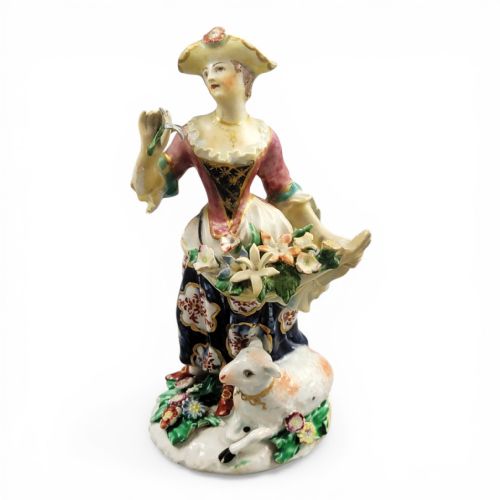


Georgian Porcelain Basket
A georgian porcelain basket brings the refined craft of eighteenth and early nineteenth century ceramicists straight to your table.
Georgian Porcelain Basket
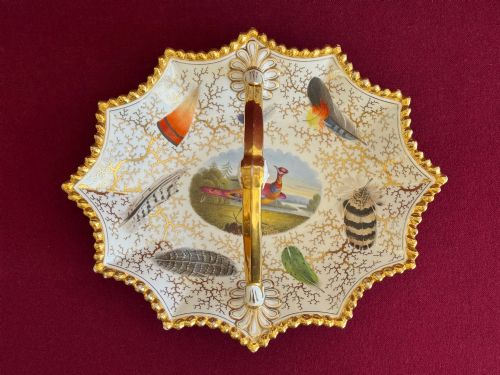
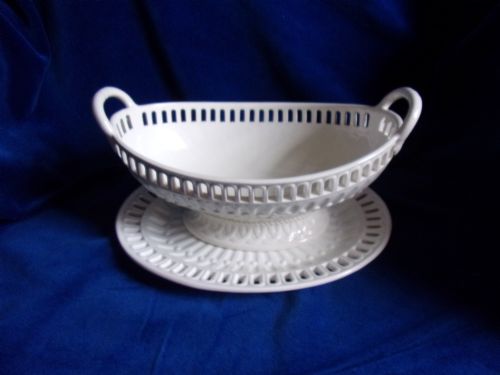
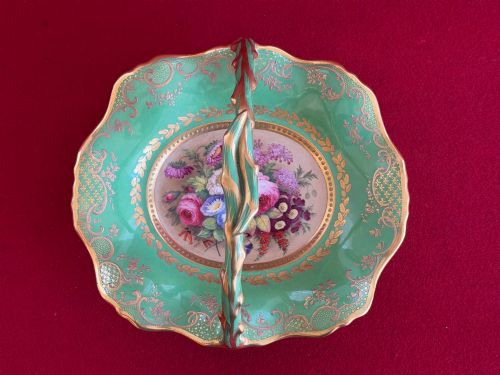
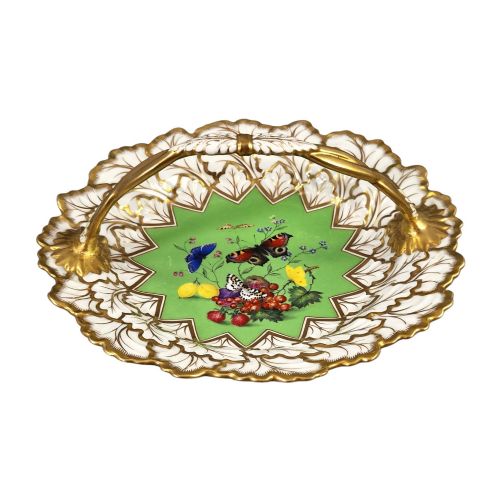
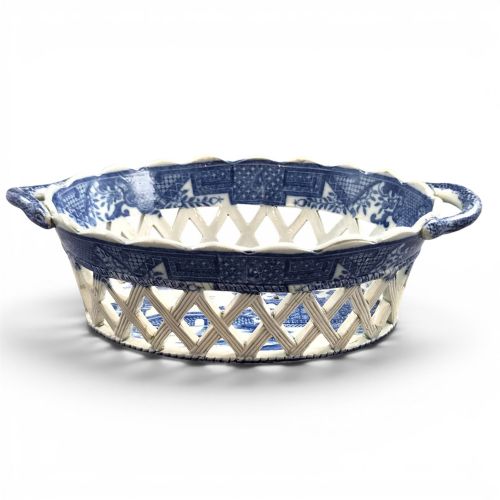
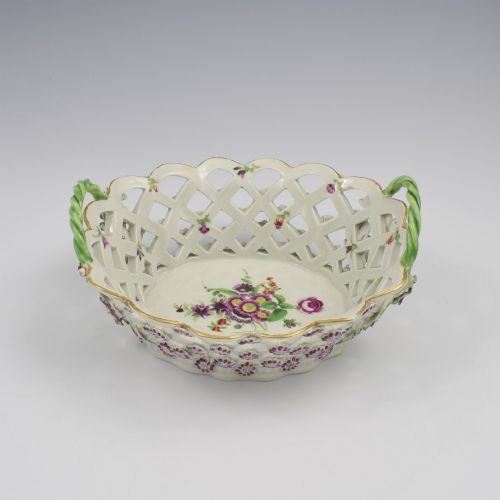
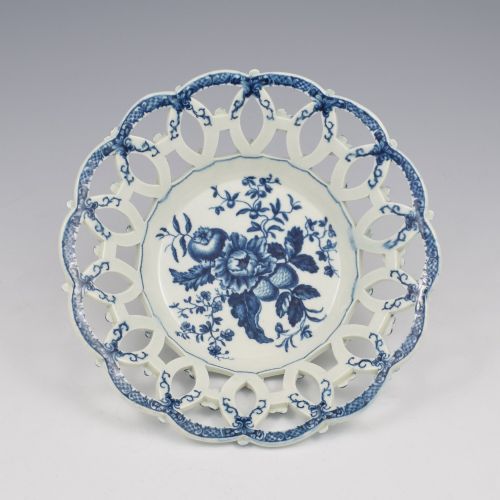
A georgian porcelain basket represents the pinnacle of ceramic artistry from the eighteenth century into the Regency period. These pieces encompass decorative baskets and specialised chestnut baskets, often accompanied by matching covers, stands, or trays. You will frequently encounter intricate pierced designs and applied floral motifs across soft-paste porcelain, earthenware, and pearlware bodies.
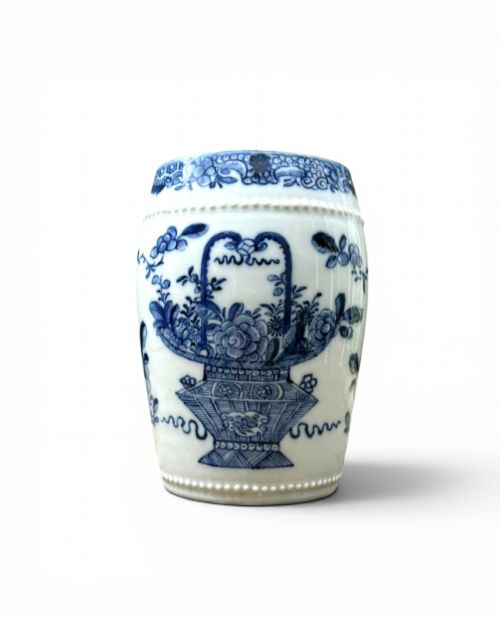
The selection ranges from early Dr Wall Worcester and Derby productions to later Flight, Barr and Barr pieces and Chinese export commissions. Styles span from classic Rococo and Rococo Revival to Chinese Export and transfer printed Willow patterns. Alongside traditional baskets, the inventory occasionally includes related ceramic forms such as mugs, tankards, and porcelain figures holding baskets.
Materials and manufacture
Potters utilised soft-paste porcelain, earthenware, and pearlware as the primary bodies for shaping these elaborate vessels. Skilled artisans formed the intricate openwork and reticulated walls by hand while the clay remained damp and pliable.
Decoration relied heavily on polychrome enamels, underglaze blue and white transfer printing, and delicate gilding with gold leaf. Specialised glazes sealed the porous clay bodies and highlighted applied elements like leaves and flowers.
Eighteenth-century diners relied on specialised chestnut baskets with vented lids to keep roasted nuts warm between gossip and claret.
Assessing quality and craftsmanship
The precision and crispness of the pierced reticulation separate superior baskets from simpler examples. Pierced openings that remain clean-sharp without warping during the high-temperature firing indicate superior kiln control and technical mastery.
The finesse of the hand-painted enamels, gilt highlights, and applied floral embellishments dictates the artistic merit of the piece. Crisp transfer printing in blue and white or detailed polychrome brushwork elevates specific manufactories like Worcester and Spode.
Derby Porcelain·Flight Barr And Barr·Spode·Worcester·Bow Porcelain·Limbach Porcelain·Rockingham Porcelain
The Georgian Porcelain Basket Glossary
- Reticulated
- Pierced or net-like openwork patterns cut into the clay wall of a basket before firing. This technique allowed makers to create lightweight, lace-like decorative vessels.
- Soft-paste porcelain
- A ceramic composition made from white clay mixed with ground glass and other materials rather than true china clay. It fired at lower temperatures and produced a warm, slightly creamy body.
- Pearlware
- A refined earthenware developed in the late eighteenth century featuring a subtle blue-tinted glaze over a whitish body. It served as an affordable alternative to porcelain.
- Chestnut basket
- A specialised deep vessel designed specifically for serving roasted chestnuts at the dining table. These pieces almost invariably included fitted covers and matching stands to retain heat.
Georgian Porcelain Basket: Frequently Asked Questions
What were porcelain baskets used for?
These vessels served primarily as formal table centrepieces for presenting fruit, sweetmeats, or roasted chestnuts during dessert courses. Wealthy households displayed them prominently on dining tables to demonstrate taste and status.
Beyond dining rooms, smaller examples functioned as decorative ornaments on mantelpieces or pier tables. Their intricate pierced walls were designed purely for aesthetic delight rather than heavy utility.
How do I date a porcelain basket?
Dating relies on identifying factory marks, paste compositions, and stylistic shifts between the eighteenth century and the Regency period. Early pieces often feature soft-paste bodies with hand-painted polychrome enamels in the Rococo taste.
Later nineteenth-century examples transition toward harder bodies, transfer printing, and neoclassical or revivalist motifs. Comparing the style of applied flowers and gilding against documented factory output helps narrow the production window.
Are covers and stands original to the baskets?
Many chestnut baskets were produced as complete matched sets comprising the vessel, its pierced cover, and an undertay or stand. Surviving sets where all components share identical paste, glaze, and decoration are prized by collectors.
Matching components through different periods happens, so inspecting the foot rims and interior wear patterns helps confirm whether the elements grew together in the kiln.
How should I display a porcelain basket?
Display these delicate items in secure cabinets or on sturdy shelves away from heavy foot traffic and direct sunlight. Because eighteenth-century soft-paste bodies and applied flowers remain vulnerable to sharp impacts, stable placement is essential.
Avoid hanging or wall-mounting antique baskets, as their handles and openwork structures cannot safely support vertical tension. Natural ambient light best reveals the translucency of the porcelain and the detail of the enamel work.