
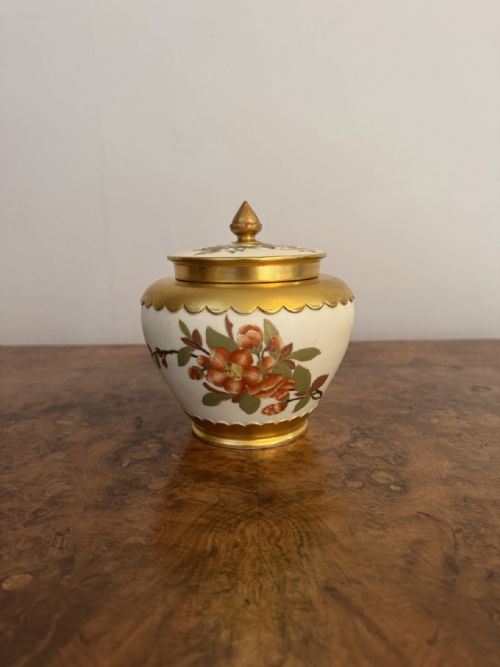


Porcelain Potpourri Vase
A porcelain potpourri vase brings fragrant dried petals and refined ceramic form together, offering a decorative vessel designed to scent a room.
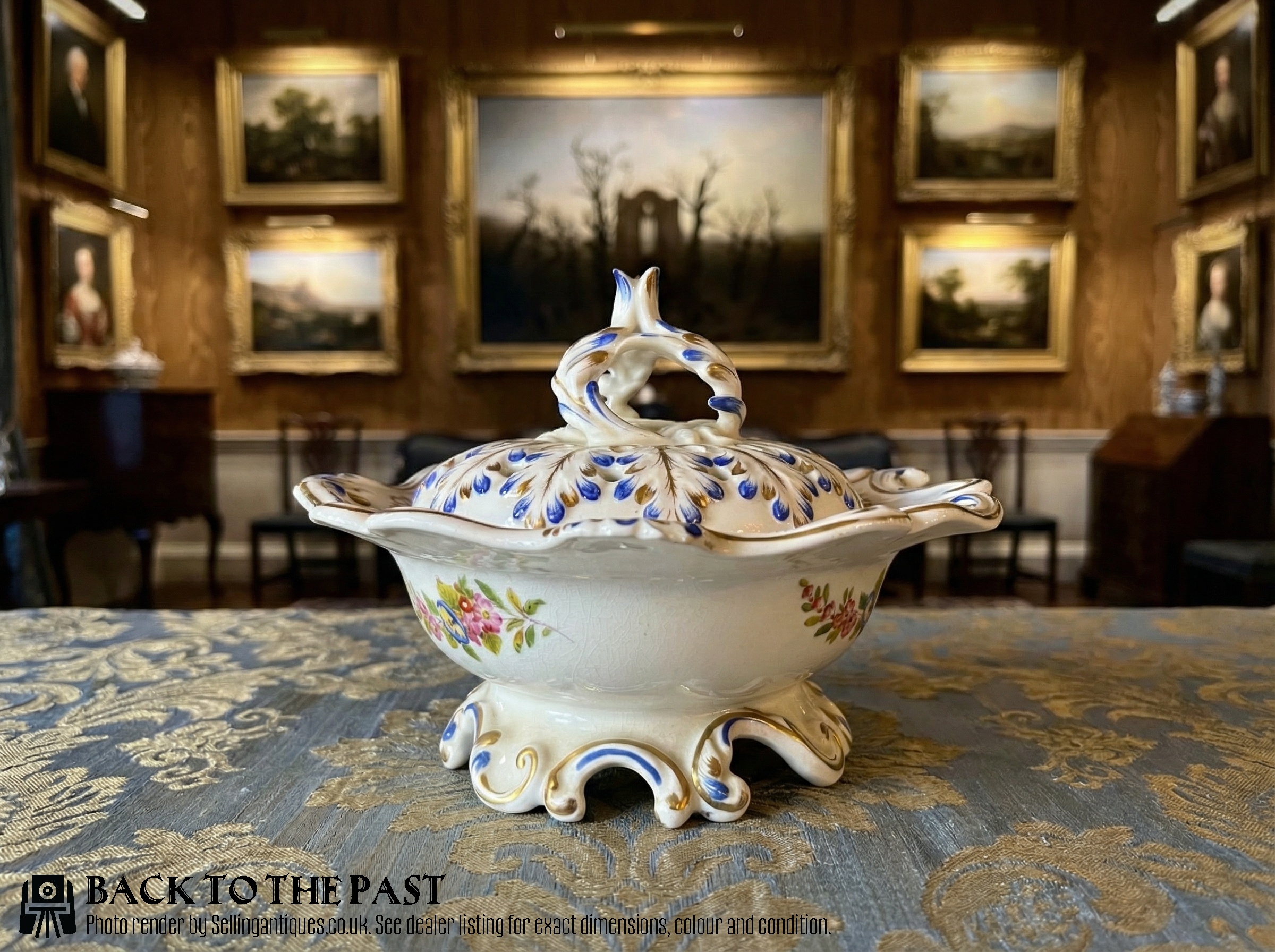
Porcelain Potpourri Vase
A porcelain potpourri vase is a lidded vessel specifically formed to release scent through pierced or perforated covers while holding dried botanicals. When you search for a porcelain potpourri vase, you encounter pieces spanning the eighteenth century through the twentieth century, with Victorian examples and later Royal Worcester productions appearing frequently.
The forms range from classic urns and ginger jars to pommanders and pedestal vases, often accompanied by inner lids or pierced crown covers. English factories such as Royal Worcester, Spode, Derby, and Mason's Ironstone dominate the domestic items, alongside continental works from Dresden, Sitzendorf, Herend, and French makers.
Makers utilised traditional styles including Regency, Rococo Revival, and Edwardian designs to shape these vessels. The resulting objects function as both ornamental centerpieces and functional containers for fragrant mixtures.
Materials and production methods
Potters shaped these vessels using porcelain, ironstone, and ceramic bodies, often adding pierced or reticulated covers to permit the escape of botanical aromas. Ironstone provided a heavier, durable alternative to fine porcelain, while both materials accepted intricate hand-painting and transfer printing.
Decoration relied upon enamel paint, gold leaf, and extensive gilding to highlight moulded surface details, floral motifs, and landscape panels. Ormolu mounts occasionally appeared on continental pieces, framing the ceramic bodies with cast bronze accents.
Several pieces are designed with inner lids to trap the potency of the potpourri until the room requires a sudden burst of garden scent.
Judging the quality of the vessels
Quality rests upon the crispness of the moulding in pierced covers and the precision of the hand-painted details. Finer pieces display delicate floral arrangements, careful gilding, and well-preserved enamel colours without blurring or fading.
The integrity of the body and cover matters significantly, as matched lids and undamaged pierced sections determine the preservation of the piece. Superior examples maintain factory marks and artist signatures, reflecting skilled execution from established workshops.
Royal Worcester·Spode·Derby·Chamberlain Worcester·Mason's·Wolfsohn Dresden·Sitzendorf·Herend
The Porcelain Potpourri Vase Glossary
- Potpourri
- A mixture of dried petals and spices placed inside a vessel to release a pleasant scent. The covers are pierced to allow the fragrance to disperse.
- Ironstone
- A durable type of ceramic developed in the nineteenth century as a robust alternative to porcelain. It frequently carries Imari or transfer-printed decoration.
- Gilding
- The application of gold leaf or gold paint to ceramic surfaces for decorative accent. It highlights handles, rims, and moulded reliefs.
- Reticulation
- A network of pierced openings forming a decorative pattern on vessel covers. This technique allows scent to escape from the potpourri within.
Porcelain Potpourri Vase: Frequently Asked Questions
What is a porcelain potpourri vase used for?
These vessels held dried flowers mixed with spices to scent domestic interiors during periods when indoor air required freshening. The pierced covers allowed the fragrance to diffuse steadily through the room.
Over time, the functional role diminished, leaving the vessels valued primarily as decorative mantel and table ornaments.
How do I care for antique porcelain?
Dust the surface gently with a soft, dry brush and avoid submerging pieces with delicate gilding or enamel paint in water. Cleaning solutions can damage fragile hand-painted details and old glaze.
Keep the vessels away from direct sunlight to prevent the fading of painted floral panels and blush ivory grounds.
How can I tell the period of a piece?
Examine the factory marks on the base alongside the stylistic clues of the form, such as Victorian blush ivory or Georgian Imari patterns. Transfer printing and specific body types often point toward nineteenth-century manufacturing techniques.
Comparing the shape and decorative motifs to documented works from factories like Royal Worcester or Spode helps narrow the date of production.
Are the lids usually original?
Many surviving pieces retain their matching pierced covers, which were designed specifically to ventilate the scented contents inside. Original lids fit the collar precisely and share the exact glaze and decorative style of the base body.
Replacements or marriages do occur, making it important to inspect the fit and internal seating of the cover.