


Regency Spode Porcelain
Regency spode porcelain brings together fine British ceramics and precise early nineteenth-century design.
Regency Spode Porcelain
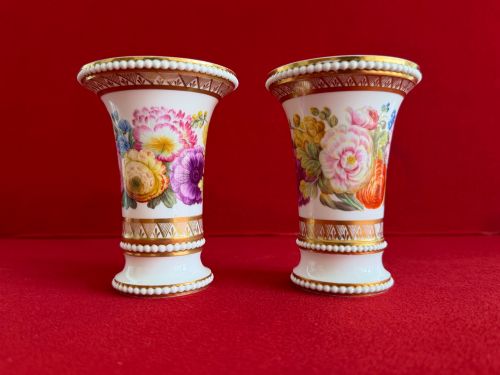
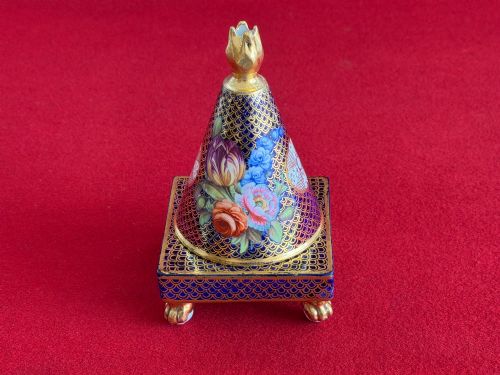
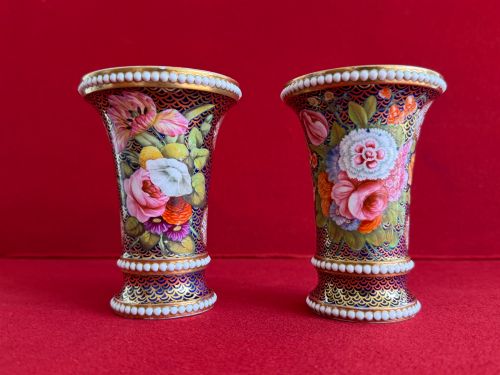
Regency spode porcelain encompasses decorative and practical ceramics produced during the Georgian and Regency eras, spanning from around 1800 to the 1830s. Buyers searching for regency spode porcelain frequently encounter tablewares, vases, inkstands, and tea services created in these formative decades.
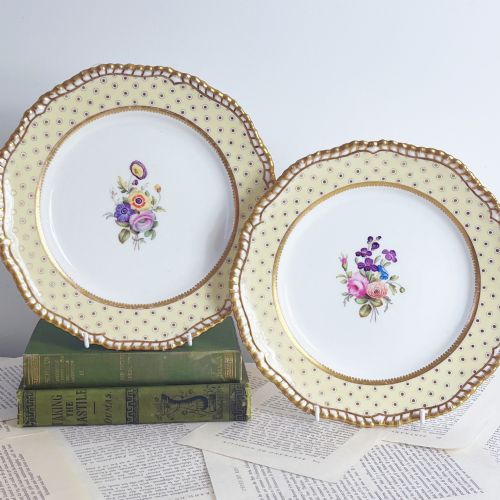
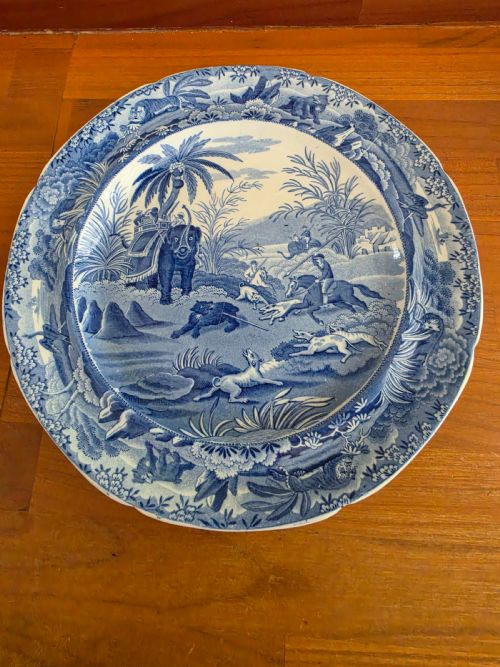
The selection ranges from cabinet plates and dessert services to chocolate cups, coffee cans, and sucriers. Many examples originate from the core Regency period, defined by classical forms and hand-painted motifs.
How they were made
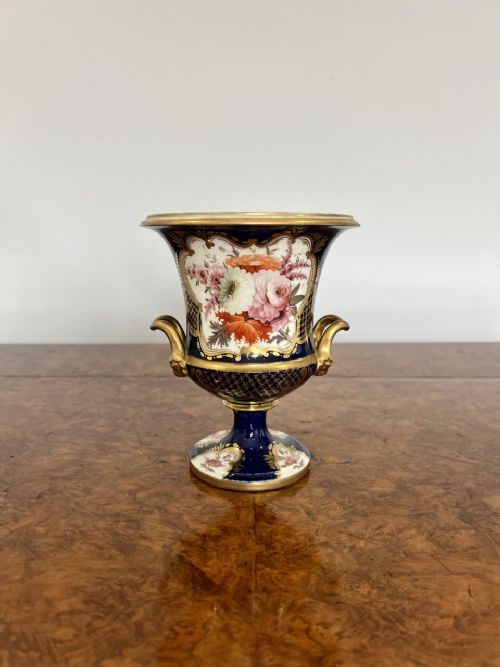
Potters utilised porcelain, bone china, felspar porcelain, and earthenware bodies shaped into vessels and decorative objects. Artisans then applied enamel colours, gold leaf, and intricate gilding by hand to enrich the surface.
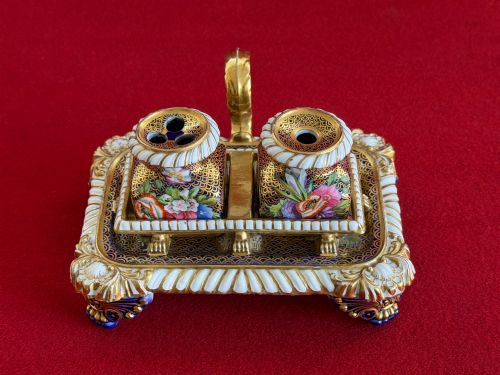
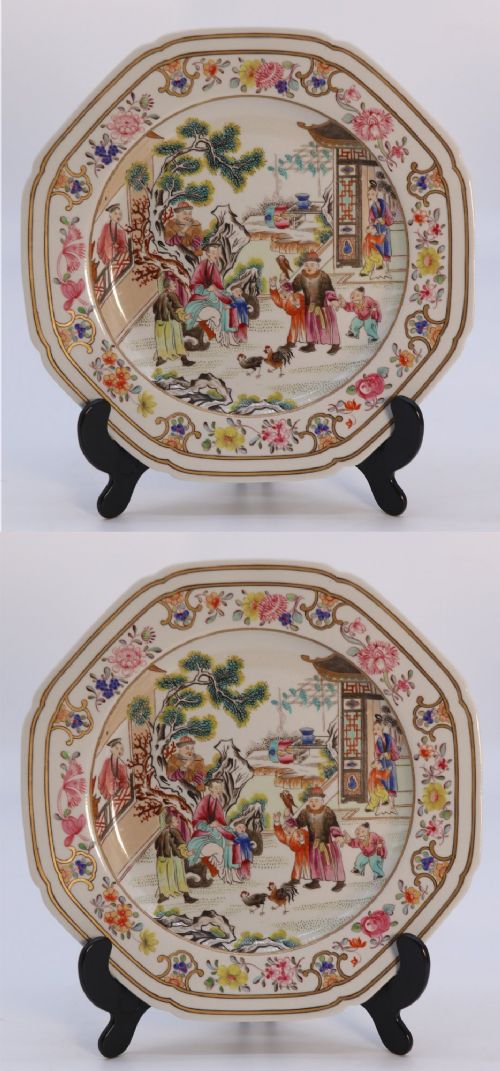
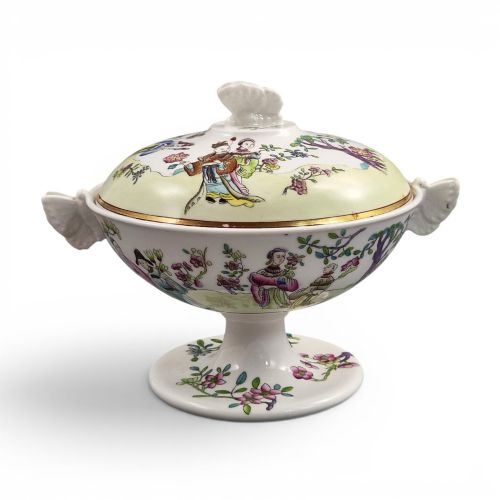
Many items display specific numbered patterns alongside hand-painted botanical, Imari, or Chinoiserie designs. The firing of these ceramic bodies required precise kiln control to achieve the fine translucency seen in surviving tea wares and vases.
Listings feature porcelain, felspar porcelain, and bone china pieces decorated with gold leaf and enamel.
What varies in quality
The distinction between standard production wares and exceptional pieces rests in the execution of the hand-painted decoration and the complexity of the form. Pieces featuring detailed pictorial scenes or elaborate gilding demonstrate higher artistry.
The refinement of the ceramic paste itself, particularly the use of felspar porcelain or fine bone china, marks out superior examples. Completeness of sets, such as matching trios or dessert services, also influences the character of each item.
Spode
The Regency Spode Porcelain Glossary
- Felspar porcelain
- A specific ceramic body patented by Spode incorporating felspar to increase whiteness and translucency. This material allowed for robust yet refined tableware forms during the 1820s.
- Imari
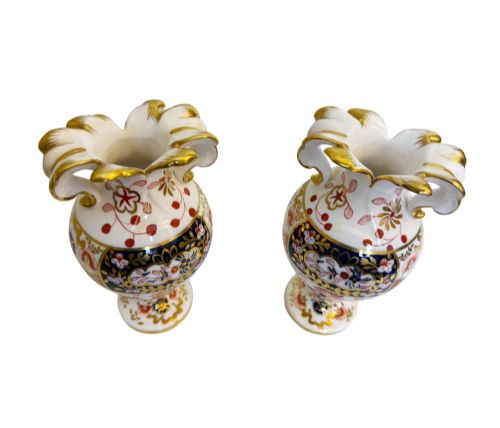
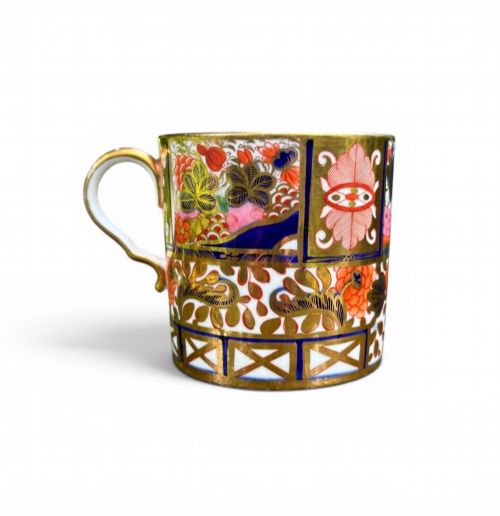
- A decorative style inspired by Japanese export wares, utilising deep cobalt blue, iron red, and gold leaf. Spode applied this palette extensively to coffee cans and tea cups.
- Sucrier
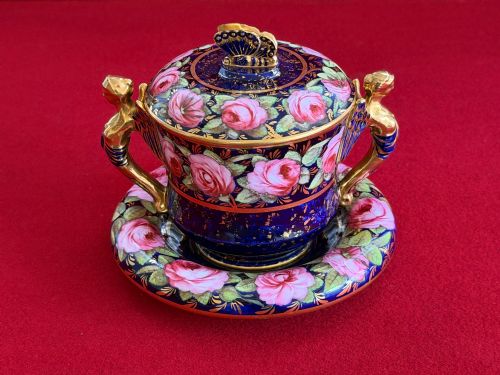
- A covered vessel designed for holding sugar, commonly found within tea and coffee services. These pieces often feature matching saucers or stands.
- Reticulated
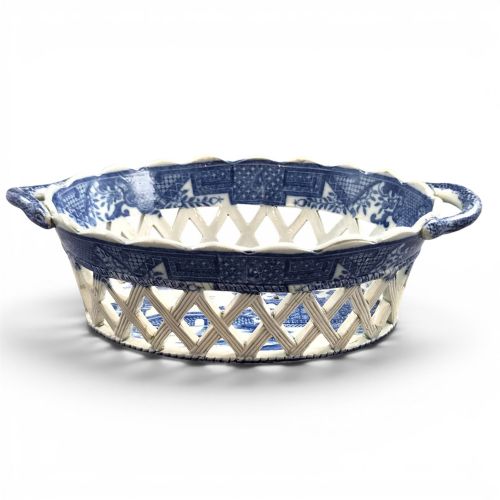
- Having an openwork or netted design cut into the ceramic body, frequently seen on chestnut baskets and dessert plates. This technique required considerable skill in the wet clay stage.
- Coffee can
- A straight-sided cylindrical cup used for drinking coffee in the early nineteenth century. They are frequently paired with matching saucers or form part of a larger trio.
Regency Spode Porcelain: Frequently Asked Questions
How do I identify a authentic regency piece?
Authentic pieces from this era typically display period-appropriate paste characteristics, hand-painted pattern numbers, and specific potting techniques typical of the early nineteenth century. Careful examination of the enamels and gilding helps confirm the period of manufacture.
Makers of this time often used specific body types like felspar porcelain, which provides a useful benchmark for dating alongside recorded pattern numbers.
Were these items used daily or displayed?
Many items, such as tea cups, coffee cans, and dessert services, were created for formal dining and drawing-room entertaining. Wealthy households utilised them during social gatherings rather than everyday meals.
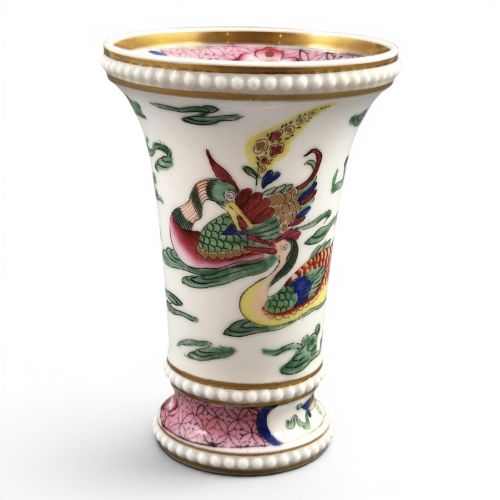
Ornamental objects like spill vases and cabinet plates served primarily as decorative garnitures within Regency interiors.
How should I care for antique porcelain?
Gentle hand washing in lukewarm water with mild soap is essential for preserving delicate enamels and gold leaf. Dishwashers and harsh detergents will quickly damage the historical glaze and painted surfaces.
Display cabinets protect pieces from accidental knocks and dust accumulation, ensuring the survival of fragile handles and gilded rims.
What does a pattern number signify?
Pattern numbers painted onto the base of these ceramics correspond to factory ledger books recording specific decorative schemes. These numbers allow historians to date items accurately within narrow chronological windows.
Matching pattern numbers across saucers, cups, and bowls confirm that individual components belong to an original service.