


Floral Sugar Bowl
A floral antique sugar bowl brings hand-painted petals and silver chased blooms straight to the tea table, offering timeless charm for the modern home.
Floral Sugar Bowl
A floral antique sugar bowl encompasses lidded sucriers, open bowls, and handled baskets originating from the eighteenth century to the early twentieth century. These pieces reflect diverse aesthetics including Regency, Victorian, Edwardian, and Rococo Revival tastes.
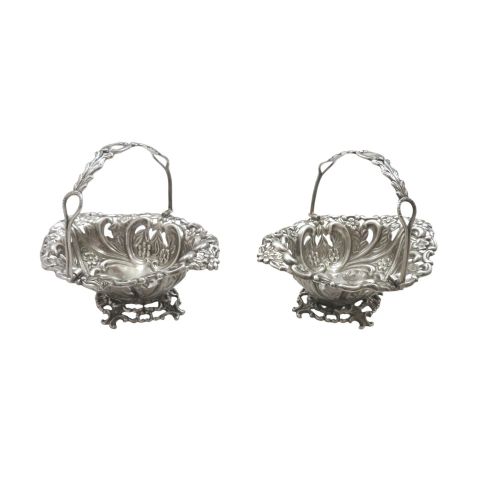
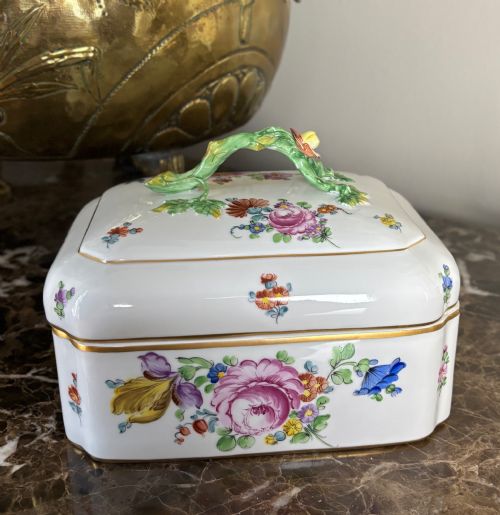
The selection on this page centres on porcelain vessels and solid silver baskets from British, continental European, and Anglo-Indian makers. Sucriers with covers sit alongside silver sugar baskets featuring cast floral handles and pierced motifs.
Buyers frequently encounter porcelain pieces painted with botanical patterns from factories such as Worcester, Spode, and Coalport, alongside heavy silver bowls from Austro-Hungarian and Anglo-Indian workshops.
Materials and technique
Porcelain sugar bowls rely on hard-paste bodies, felspar porcelain, and bone compositions shaped by hand or mould before receiving overglaze enamels and gold leaf gilding. Potters painted delicate floral motifs directly onto the white ground, firing the pieces multiple times to fix the colours.
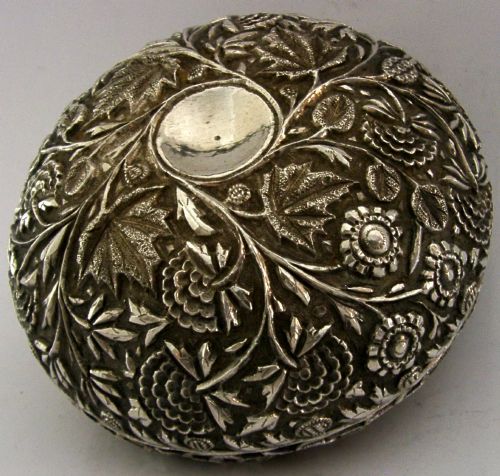
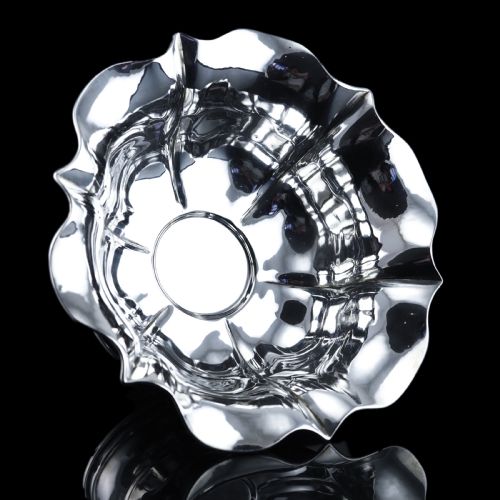
Silver sugar baskets and bowls utilise sterling silver and solid silver worked through hammering, casting, and chasing techniques. Silversmiths formed three-dimensional floral handles and pierced borders by hand before applying gilt washes to the interior surfaces.
Some nineteenth-century porcelain bowls spent their youth holding fancy sweets rather than sugar lumps.
Craftsmanship and design
Quality rests in the crispness of the chased silver details or the fineness of the hand-painted enamel botanical sprays. Superior porcelain vessels display careful brushwork and precise gilding that remains crisp across the handles and rims.
Substantial weight in silver bowls and baskets indicates high-grade metalwork, particularly where handles are cast rather than soldered from sheet metal. The harmony between the floral decoration and the underlying ceramic or silver form dictates the visual success of the piece.
Dresden·Spode·Ridgway·Worcester·Richard Ginori·Meissen·Coalport
The Floral Sugar Bowl Glossary
- Sucrier
- A sugar basin with or without a lid, designed specifically for tea services. These vessels form part of larger ceramic suites from the eighteenth and nineteenth centuries.
- Bonbonniere
- A small decorative box intended for holding sweets or sugar confectionery. These lidded containers frequently appear in fine European porcelain.
- Hard-paste porcelain
- A dense ceramic material fired at high temperatures using kaolin and petuntse. This durable body resists scratching and provides a bright white ground for enamel painting.
- Gilt
- A thin layer of gold applied to the surface of silver or porcelain. This finish adds warmth and protects underlying metals from tarnishing.
- Chasing
- A metalsmithing technique of hammering metal from the front to sink the design and raise relief patterns. Silversmiths utilise this method to render floral motifs on bowls and baskets.
Floral Sugar Bowl: Frequently Asked Questions
How do I use an antique sugar bowl today?
These vessels suit daily use on the dining table for serving sugar cubes or loose sweeteners. They also function well as small decorative containers for trinkets.
Wash porcelain and silver pieces gently by hand using mild soap and warm water. Avoid abrasive sponges that can damage enamel painting or delicate gold leaf gilding.
How can I tell the period of a porcelain sucrier?
Examine the base for factory marks, factory painted numbers, or period-specific paste characteristics. Earlier pieces from the eighteenth century often feature underglaze blue script or impressed marks associated with specific porcelain works.
Stylistic cues such as the heavy gilding of Regency pieces or the moulded scrolls of Rococo Revival designs help narrow down the decade of manufacture.
Were silver sugar baskets used without liners?
Silver sugar baskets from the Victorian and Edwardian eras typically held loose sugar directly against the metal or accommodated fabric liners. Many surviving baskets retain their original form without internal glass inserts.
Solid silver construction ensures the metal withstands normal use, though soft cloths help preserve the chased floral exterior during cleaning.
What is the difference between hard-paste and felspar porcelain?
Hard-paste porcelain contains natural china clay and china stone fired at extremely high temperatures to create a vitrified body. Felspar porcelain incorporates specific feldspathic rocks to achieve a similar dense and durable structure.
Both materials provide a stable canvas for floral enamel decoration and resist staining from tea or sugar contents over centuries of use.