



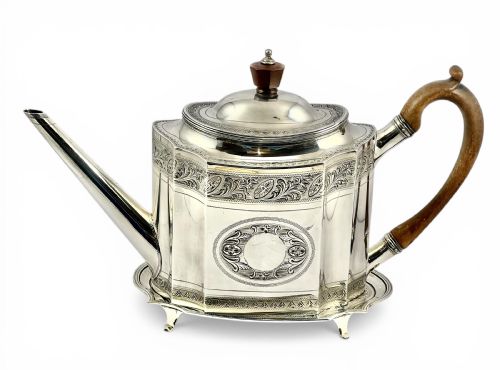


Antique Tea Service Vessel
An antique tea service vessel is a hollowware piece for preparing or serving tea, chosen for historical weight and material character.
Antique Tea Service Vessel
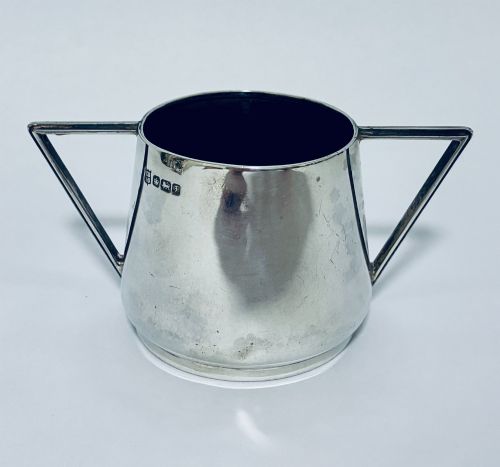
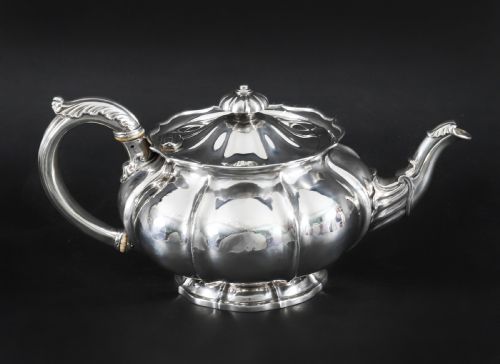
When you search for an antique tea service vessel, you encounter individual vessels and matching sets spanning the eighteenth, nineteenth, and early twentieth centuries. The selection encompasses standalone teapots, sugar bowls, cream jugs, hot water pots, and complete tea and coffee services.
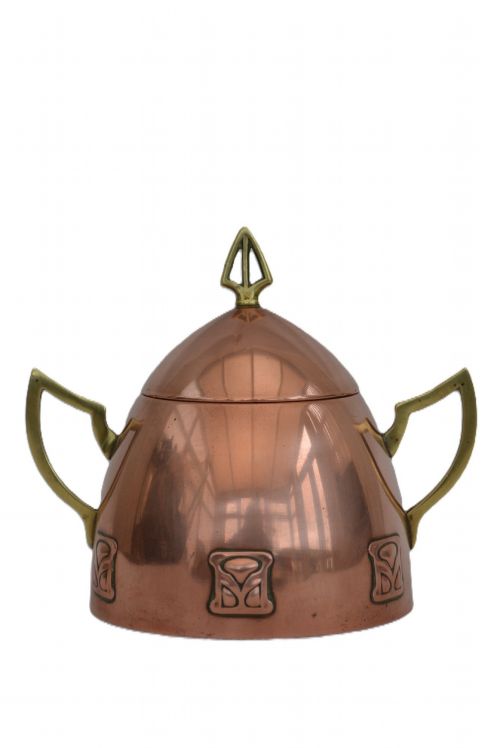
The pieces originate from English provincial and London workshops, alongside continental and American makers. Styles range from Georgian and Regency to Victorian, Edwardian, Art Nouveau, and Art Deco, reflecting shifting domestic habits.
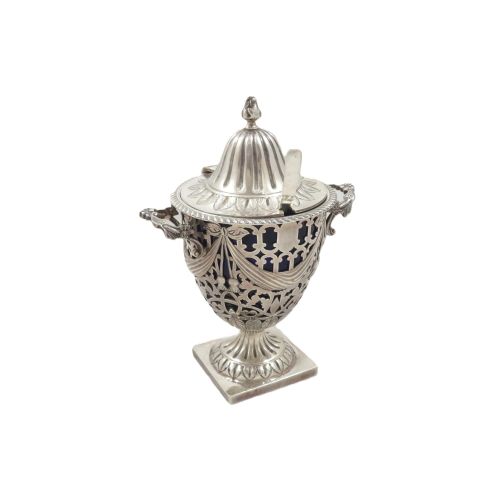
You meet vessels shaped as baskets, urns, octagonal pots, and traditional jugs, constructed to serve daily table use or formal display. Each item carries the formal markers of its specific period of manufacture.
Factors of quality and execution
The distinction between tiers rests upon the crispness of chased and cast ornamentation, the weight of the metal, and the precision of the smith's assembly. Superior examples demonstrate balanced proportions, clean hallmarks, and intact original handles or finials.
Ceramic pieces vary according to the clarity of the glaze, the adherence of the enamel, and the delicacy of the porcelain body. Work from prominent silversmiths or established porcelain works shows greater refinement in decorative detail.
The inventory includes sugar baskets with lids, octagonal teapots, and multi-piece tea and coffee services.
Paul Storr·Robert Hennell I·Joseph Craddock·Spode·Royal Crown Derby·WMF
The Antique Tea Service Vessel Glossary
- Sucrier
- A sugar bowl or vessel designed to hold sugar during tea service. These often include matching lids or sit within specialised baskets.
- Old Sheffield Plate
- A composite material formed by fusing a thin sheet of silver to a thicker copper base. This technique predates modern electroplating.
- Hallmark
- An official stamp indicating the metal standard, assay office, and year of manufacture. These marks provide definitive evidence of origin.
- Chased
- Surface decoration hammered into metal from the outside to create raised patterns. This technique emphasises the depth of the design.
- Felspar Porcelain
- A type of ceramic body developed in the nineteenth century using feldspathic rock. It offered increased durability and a bright white surface.
Antique Tea Service Vessel: Frequently Asked Questions
How do I date a silver teapot?
You examine the stamped hallmarks on the base or body, which record the assay office and date letter.
Stylistic shifts in the shape of the pot, from Georgian pear forms to Victorian urns, offer additional chronological clues.
What is Old Sheffield plate?
Old Sheffield plate is an early composite material created by fusing silver to a copper core before shaping.
This method produces items with genuine silver surfaces over a visible copper substrate on high-wear edges.
Can I use these vessels daily?
Many silver and ceramic pieces remain robust enough for regular use with careful hand washing.
Silver vessels require non-abrasive cleaning, while porcelain pieces need protection against thermal shock and hard impacts.
Why do some teapots have stands?
Stands protected wooden tabletops from the heat transferred through the metal base of the teapot.
These matching bases elevated the vessel and completed the formal presentation during tea service.